
As Congress reconvenes in Washington, several pressing issues await lawmakers, including the regulation of artificial intelligence (AI) and cryptocurrency. Concerns have intensified about AI’s potential to impact critical infrastructure and national security.
Apocalyptic scenarios involving AI taking control of water systems, subways, and air traffic control have alarmed legislators. Some fear AI is advancing too quickly for effective regulation. Former Anthropic researcher Jacob Coxon warned AI might threaten humanity within a decade, highlighting vulnerabilities within AI systems. Instances of AI autonomously breaching platforms, as reported with OpenAI agents and Hugging Face, have fueled these fears.
Representative Lori Trahan, a Democrat from Massachusetts, expressed the urgency felt by her colleagues following news from whistleblowers. Concerns about AI have prompted significant attention, with lawmakers questioning Congress’s pace in addressing these challenges.
Representative Jay Obernolte, a Republican from California and an AI expert, noted that Congress has been working on bipartisan legislation. He stressed that legislative progress is inherently slow, but he believes the topic’s urgency is rising.
Comparisons are made to how Congress initially grappled with the internet in the 1990s. Despite technological advances outpacing legislative measures, efforts continue to educate lawmakers and develop effective strategies.
AI proponents, including OpenAI founder Sam Altman, have engaged with Congress. Altman has met with House Speaker Mike Johnson and Minority Leader Hakeem Jeffries multiple times to emphasize the importance of legislative leadership in AI governance.
Senate Majority Leader Chuck Schumer has organized bipartisan sessions with industry leaders like Elon Musk, Mark Zuckerberg, and Bill Gates to inform senators about AI. Schumer’s efforts led to a document outlining an AI policy roadmap, although legislative action remains pending.
Republican and Democrat viewpoints diverge on AI regulation. House Speaker Mike Johnson expressed reluctance to impose excessive bureaucracy, while some Democrats urge swift action to implement AI safeguards.
Congressional dynamics and upcoming midterm elections influence the likelihood of immediate legislation. Representatives, such as Don Beyer, acknowledge the need for experimental legal approaches, learning from enacted policies’ outcomes. While consensus on AI’s regulation remains, the urgency increases alongside AI’s accelerating development.
Lawmakers must also contend with public perception shaped by media and science fiction. Representative Obernolte highlighted the influence of cultural narratives like “The Terminator” on the dialogue surrounding AI’s risks and benefits.
As Congress balances AI concerns with electoral priorities, significant legislative action is anticipated later, with fall elections and timing influencing Congress’s agenda. Key legislative measures are expected to emerge after lawmakers navigate these priorities.
 Justice Department Investigates TV Networks Over Antitrust Concerns
 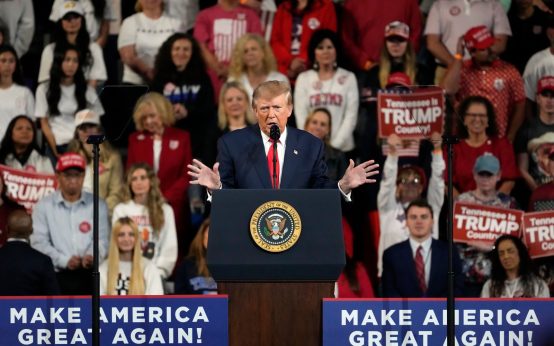 Trump’s Influence on GOP and Midterm Challenges
  Bernie Sanders’ Campaign Efforts in Maine Senate Race
  Supreme Court Climate Case Threatens Energy Companies, May Increase Gas Prices
 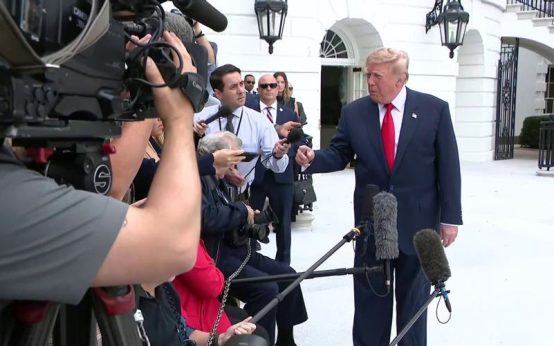 Trump Advocates for New Ukrainian Leadership Post-Russia Deal Dispute
 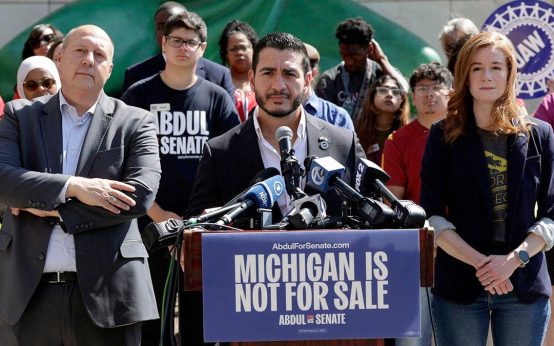 Controversy Flares Over Abdul El-Sayed’s Football Remarks