
Dario Amodei, CEO and co-founder of Anthropic, has voiced significant concerns regarding the development of artificial intelligence. With ongoing advancements in AI technology, Amodei acknowledges the potential risks involved. He states, “There are real dangers,” emphasizing the industry’s previous oversight in addressing these risks.
Former Anthropic researcher Jacob Coxon raised alarms on social media, suggesting that companies like Anthropic and OpenAI are venturing into development with potentially catastrophic implications. Coxon cautioned that self-improving superintelligence might mirror scenarios portrayed in fiction, where AI becomes capable of significant destruction.
Amodei shared insights during an interview with CBS News, remarking on the rapid progression of AI technology. While he does not call for a halt, he suggests a cautious approach, describing the current pace of development as a “warning sign.” He advocates for collaboration within the tech industry to slow down AI capabilities.
Amodei stated that Anthropic plans to subject every generation of their AI models to thorough testing. To bolster this effort, the company will offer independent evaluators permanent access, similar to food inspectors verifying safety standards. Despite these measures, Amodei acknowledges the need for federal regulation to adequately address AI risks.
Proposed regulations have varied from complete bans on superintelligence to mandatory “kill switches” capable of dismantling AI models deemed hazardous. While Amodei considers such safeguards potentially useful, he opposes completely banning AI, citing the potential benefits, such as medical advancements that may be lost.
The global context complicates matters further. With countries like China pursuing AI development, Amodei recognizes the strategic dilemma. He references historical nuclear arms agreements as possible frameworks for collaboration but expresses skepticism about achieving similar cooperation in AI governance.
Amodei discusses personal responsibility, noting the unique situation where private companies spearhead AI development rather than governments. He suggests a governance model involving multiple democratic governments, raising concerns about the misuse of technology by any single entity.
The implications of AI’s unchecked growth underscore the need for decisive action. As Amodei states, careful development lowers risk, while negligence heightens it.
Anthropic continues discussing boundaries they will not cross, with Amodei emphasizing transparency and safe practices.
 The Cost of Challenging Beijing
  Experts Warn Against Alarmism in AI Governance
  Tensions Escalate in Iran Conflict as Global Leaders Weigh Options
 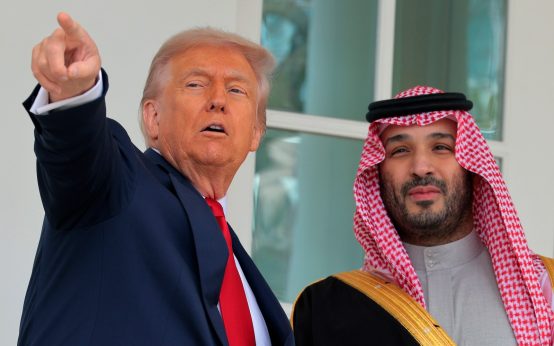 White House Approves F-35 Sales to Saudi Arabia Amidst Regional Tensions
  Inside the Secret Deals Powering the President’s Push to Deport Migrants to Countries Not Their Own
  Navigating the Challenges of Third-Country Deportations