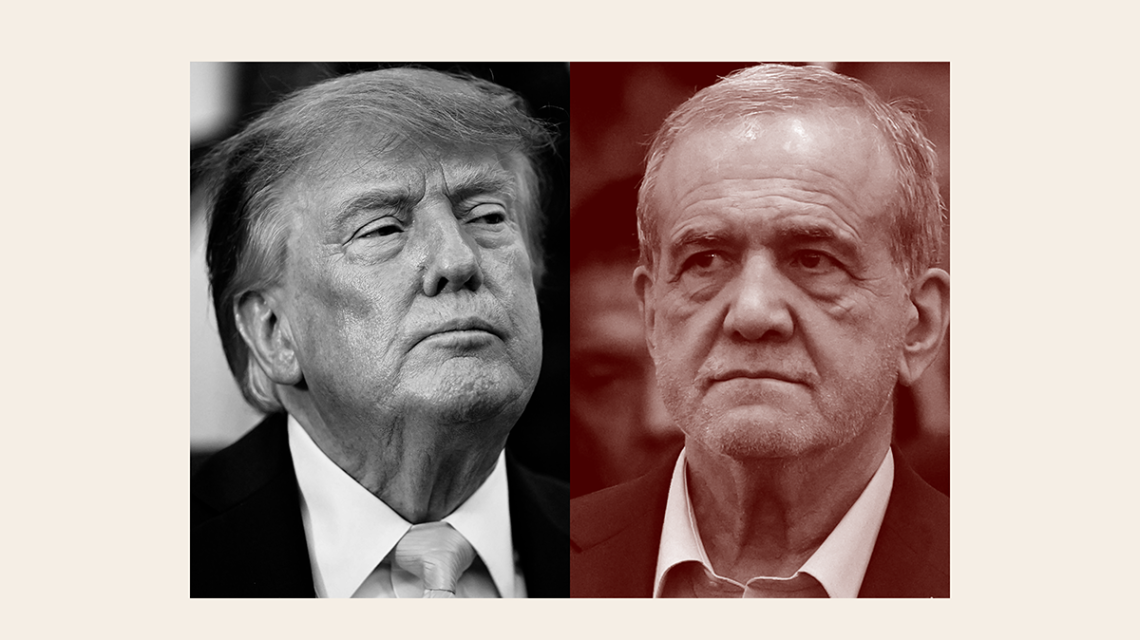
The ongoing conflict between the United States and Iran has intensified, with political repercussions felt in both Washington and Tehran.
U.S. Political Pressure
In the U.S., President Donald Trump is confronting growing discontent, particularly among his supporters from the MAGA movement, over the escalating war. The conflict started on February 28 in a joint U.S.-Israel campaign against Iran. Trump’s avoidance of setting clear objectives or timelines has added to the political tension. With mid-term elections looming on November 3, Trump’s party faces potential losses.
Democrats have experienced increased support, winning special elections in several states. Polls from the University of Massachusetts and Reuters-Ipsos suggest a significant decrease in Republican enthusiasm compared to Democrats. This sentiment reflects broader public opposition to the war, with 56 percent opposing the conflict.
Conservative voices, including prominent figures like Tucker Carlson and Megyn Kelly, have publicly criticized Trump for not fulfilling his promise to avoid new wars. Economic concerns, such as rising gas prices, further exacerbate the situation.
Iran’s Political Dilemma
In Tehran, President Masoud Pezeshkian faces challenges from within the Iranian political system. Iran operates with a power-sharing structure, including the supreme leader, military leaders, and other officials. Presently, Ayatollah Mojtaba Khamenei holds the title of supreme leader, though his absence has fueled speculation about his status.
Key figures like Parliament Speaker Mohammed Bagher Qalibaf and IRGC Chief Major General Ahmad Vahidi have gained influence. Qalibaf, known for bridging rival factions, has attracted U.S. interest as a potential leader in Iran. Vahidi has pushed for military actions against the U.S. and its allies.
Pezeshkian, who campaigned for diplomacy and economic reform, now faces criticism for his handling of the ongoing conflict. Political insiders warn that opponents may seek his removal due to perceived incompetence. Despite challenges, Pezeshkian remains a symbol of unity given his ethnic background and stance on national issues.
Implications for the War
The future of the conflict is uncertain. U.S. policy may shift post-election, potentially initiating confidence-building measures to ease tensions. However, entrenched hardline stances within Iran limit diplomatic prospects.
Iranian hardliners, emboldened by the war, continue to distrust U.S. intentions. Discussions around Iran’s nuclear program and geopolitical strategy reflect a deep-seated skepticism towards Western engagement.
The political landscape in both countries plays a crucial role in shaping the conflict’s trajectory, with mid-term elections viewed as a strategic opportunity by some Iranian factions.
 Gov. JB Pritzker Reveals Type 2 Diabetes Diagnosis and Weight Loss Journey
  Cancellation of the Red Sea International Film Festival Amid Regional Conflict
  Trump’s Media Ban Affects Event Coverage
  Family Seeks Answers Following Elderly Woman’s Death Under Canada’s Assisted Dying Program
  A Critical Perspective on National Spending and Healthcare from Representative Eric Burlison
  House Republican Criticizes Funding for Trump’s Arch Proposal