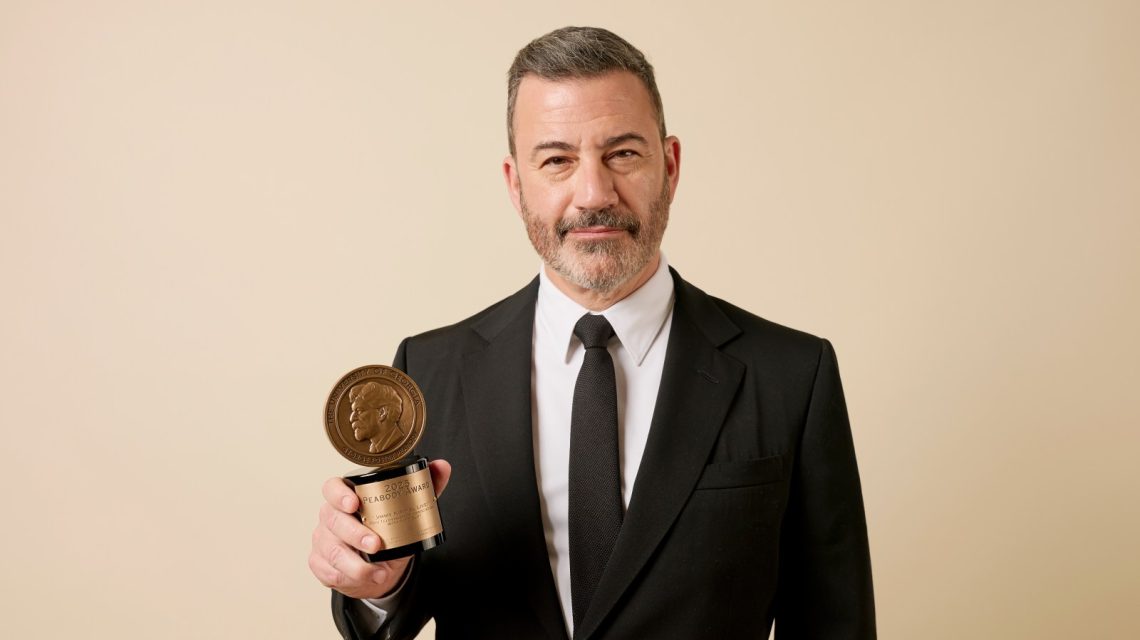
The ongoing conflict involving comedians, broadcasters, and federal regulators has resurfaced, focusing on critical First Amendment issues in the U.S. The controversy began last year when Brendan Carr, chair of the Federal Communications Commission (FCC) under President Donald Trump, urged media companies to drop comedian Jimmy Kimmel’s show. Kimmel’s comments about the “MAGA gang” and Trump’s reaction to Charlie Kirk’s death triggered Carr’s objections.
During this time, ABC suspended Kimmel’s late-night show after numerous affiliates pre-empted it. The controversy only lasted six days, but it sparked concerns about free speech and censorship under Trump’s administration. Both the FCC and Disney have been contacted for comments, highlighting the tense atmosphere surrounding media and government relations.
Historical Context of the Dispute
This dispute is not new. Bob Corn-Revere, chief counsel at the Foundation for Individual Rights and Expression (FIRE), explained that similar issues were present during Trump’s first term. This situation is more concerning now as Carr appears intent on fulfilling the president’s wishes, raising alarms among observers.
Jimmy Kimmel recently announced that an interview with Democrat State Representative James Talarico would be aired on YouTube instead of television. This shift occurred under pressure from the FCC regarding its new rules, which mandate equal time for both political candidates.
Critics argue that Carr’s actions reflect the regulatory pressure that influences broadcasters’ editorial decisions, contrary to First Amendment protections. Anna Gomez, the sole Democratic commissioner at the FCC, accused the agency of “intimidation” and challenged its authority to threaten broadcast licenses based on guest bookings.
Legal Battle in Court
Disney’s ABC chose to challenge the FCC’s actions in court last month, accusing it of retaliatory measures. Carr initiated an early license review for several ABC stations, citing discrimination concerns. Disney and ABC assert that censorship is un-American and allege a retaliatory campaign against them because of their content.
“Government censorship is deeply un-American,” Disney and ABC’s lawsuit emphasized.
Corn-Revere supports Disney’s stance, citing the FCC’s attempts to influence broadcasters unconstitutionally. He anticipates a favorable ruling for ABC, noting that such episodes bolster the company’s case in court.
Kimmel returned after a summer break, reflecting on his 4,000th show despite regulatory challenges. His resilience signifies the struggle against pressures exerted by Carr and the FCC.
 U.S. Considers Belarus for Potash Purchases to Cut Fertilizer Costs
 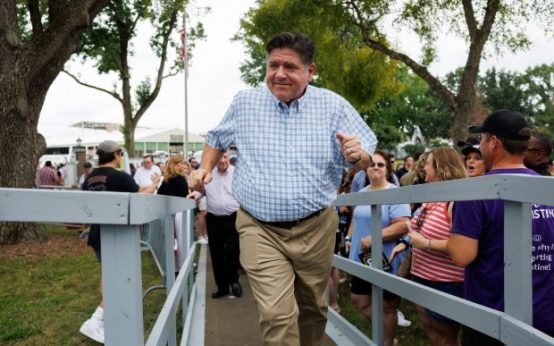 Gov. JB Pritzker Reveals Type 2 Diabetes Diagnosis and Weight Loss Journey
  Trump’s Media Ban Affects Event Coverage
 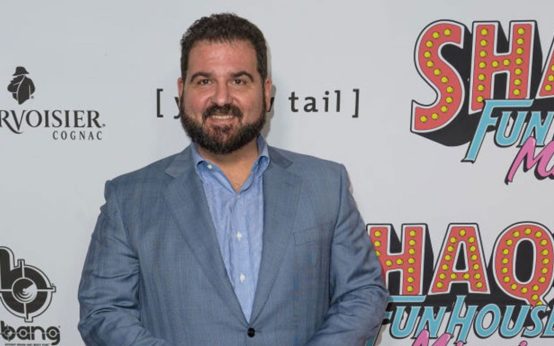 ESPN Responds to Racial Bias Accusations by Former Employee
 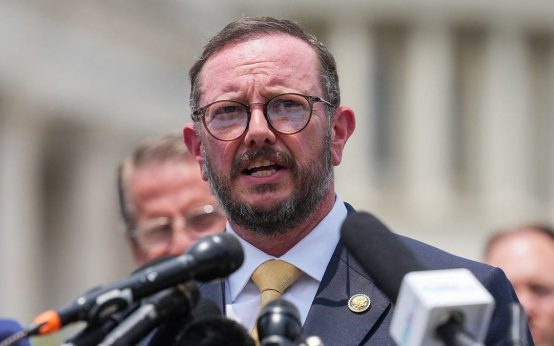 A Critical Perspective on National Spending and Healthcare from Representative Eric Burlison
  House Republican Criticizes Funding for Trump’s Arch Proposal