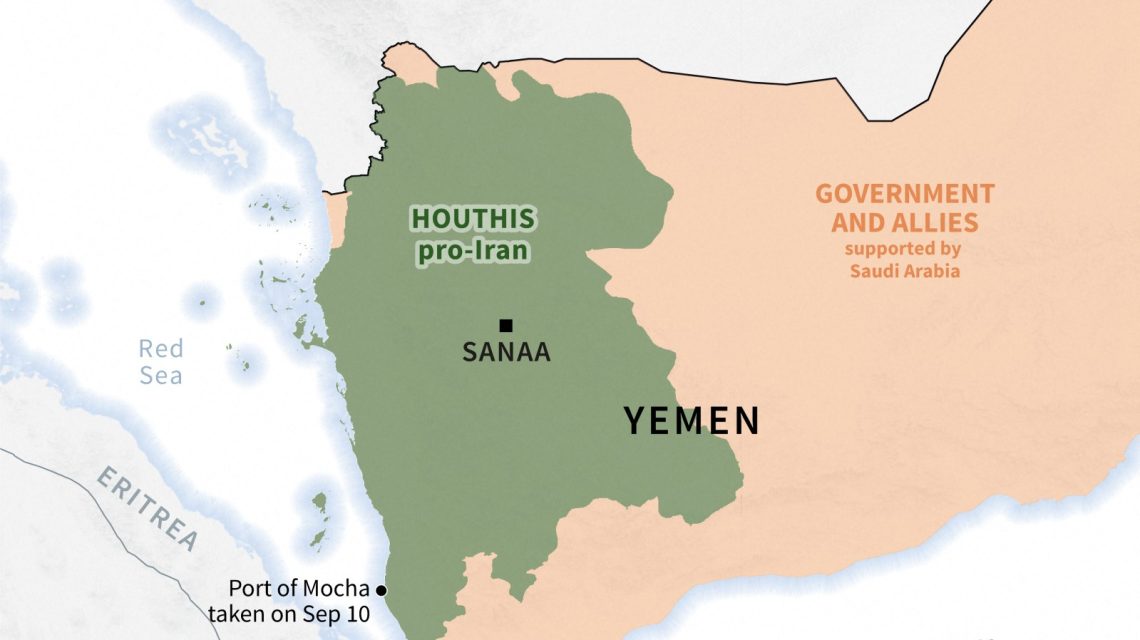
The Yemeni Ansar Allah movement, known as the Houthis, has gained control over Yemen’s Red Sea coast. This control impacts global maritime trade, putting a strategic Iranian ally in a position to influence key sea routes.
Strategic Positioning in the Bab el-Mandeb
The Bab el-Mandeb strait lies between southwest Yemen and Djibouti, linking the Gulf of Aden and the Red Sea to the Mediterranean Sea via the Suez Canal. Only 16 miles wide at its narrowest point, this strait is crucial for global shipping. The Houthis have previously demonstrated the capability to disrupt global trade.
With Saudi-backed Yemeni forces retreating, an Ansar Allah blockade could affect approximately 8.1 million barrels of oil and petroleum products daily. This represents about 10% of the world’s maritime oil trade. The strategic significance of Bab el-Mandeb has increased due to restrictions on the Strait of Hormuz.
Trade and Economic Implications
Yemeni analyst Hisham al-Omeisy highlighted the impact of making Bab el-Mandeb risky for shipping companies, leading to higher costs and extended delivery times. This situation complicates matters when considering tensions in the Strait of Hormuz.
Before the conflict, the Bab el-Mandeb facilitated 30% of global container traffic. Nitya Labh from Chatham House noted Saudi Arabia’s shift of some oil exports to the Red Sea, enhancing the region’s importance.
Overland routes like Saudi Arabia’s east-west pipeline also face risks. Reports of Ansar Allah attacks damaging this pipeline complicate the situation further. The Red Sea’s importance as a shipping pathway is demonstrated by disruptions more severe than those in the Suez Canal.
Regional and Global Repercussions
The struggle in Yemen affects regional security and global markets, impacting countries like Saudi Arabia. Ansar Allah’s control poses significant threats, made worse by Saudi Arabia’s existing regional challenges.
According to journalist Hussein Albukhaiti, potential Saudi intervention could prompt Ansar Allah to block the Red Sea to military and commercial traffic, mirroring Iran’s actions in the Persian Gulf.
Potential Escalations and International Impact
Should Ansar Allah consolidate power in Yemen, Saudi Arabian intervention might provoke further conflict, affecting the kingdom’s stability. Past actions show Ansar Allah’s willingness to target Saudi cities and infrastructure.
Political Analyst Sherwan Hindreen Ali emphasized that Saudi Arabia’s current situation with the Houthis could limit their options, especially if they escalate military engagements. Potential Iranian influence and support for the Houthis could strengthen their stance over time.
Labh sees this as a leverage point for Iran and its allied groups. Resolving such conflicts involves complex negotiations, potentially involving more countries as the situation evolves.
 Gorillaz and Macklemore Respond to Controversy Over Israel-Palestine Statements
  Investigation into Lion Deaths in Tanzania
  Merz Stays Resolute Amid Electoral Shifts in Germany
  U.S.-Iran Relations and Diplomacy at Upcoming U.N. Assembly
  US-China Relations Under Scrutiny: Expert Warns of Escalating Tensions
  Extradition of Suspects in Haitian President’s Assassination