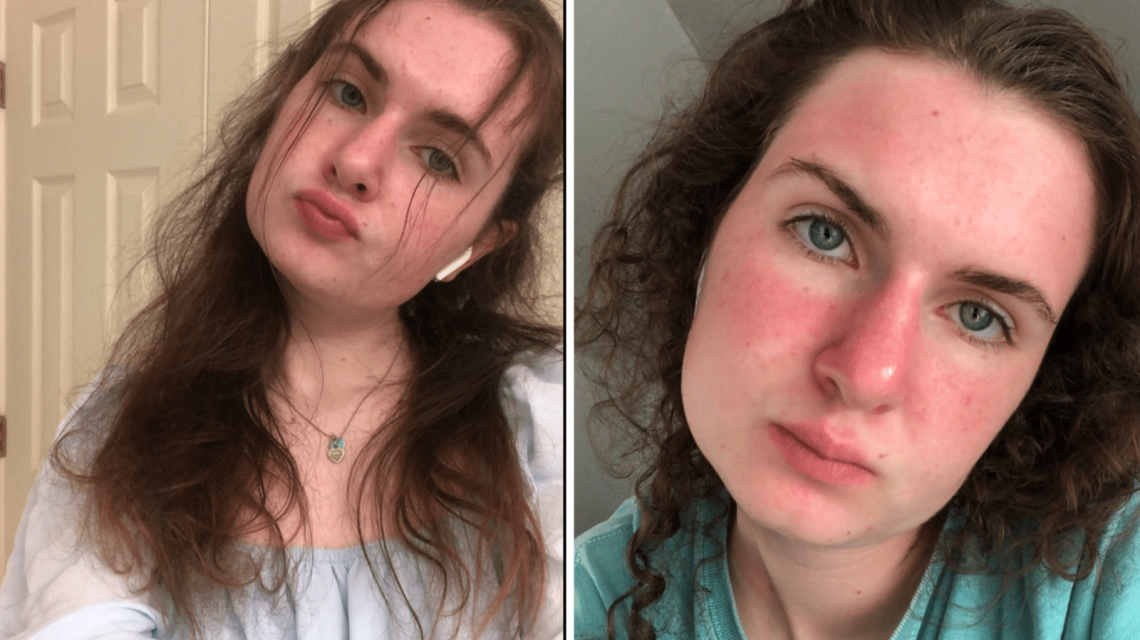
During her junior year in high school, Virginia Hooper, known as Ginny, eagerly anticipated attending a summer camp for three weeks. Despite many exciting activities, she noticed peculiar symptoms like excessive sweating, skin issues, and increased hunger. Over time, these developed into more severe conditions.
As the months progressed, her symptoms intensified. She started missing menstrual cycles, struggled with sleepless nights, anxiety, easy bruising, migraines, and significant weight gain. Caught in the whirlwind of SAT preparations and a part-time job, Ginny attributed these changes to stress.
She decided to consult a doctor after missing her period twice. Her pediatrician, upon observing her facial features, suggested Cushing’s Syndrome, a condition from abnormal cortisol levels. Confirmatory tests followed, revealing extremely high cortisol.
The next investigative step was locating the abnormal cortisol source. While most cases originate from benign pituitary tumors, a brain MRI showed nothing. Consequently, an abdominal ultrasound uncovered a 9-centimeter tumor. Further scans revealed an 11-centimeter tumor, with cancer spreading to her liver and lungs, indicating stage 4 adrenocortical carcinoma.
Upon diagnosis, Ginny expressed feeling detached, struggling to acknowledge her reality. As she faced surgery, the urgency for a skilled surgeon became apparent. A surgeon from Memorial Sloan Kettering successfully removed the primary tumor and affected organs but the lung tumors needed further attention.
Subsequent chemotherapy proved challenging but Ginny persevered, attending NYU and completing her senior year. By July 2024, her chemotherapy concluded, declaring her cancer-free. Unfortunately, she soon suffered severe gastritis, impacting her recovery.
Progress slowed by fall, yet Ginny began socializing and deferred her NYU acceptance to 2025. A routine lung scan in March 2025 indicated a recurrence. Although immunotherapy provided temporary relief, scans showed a new tumor near her heart.
Surgery removed several lung tumors, but radiation was necessary due to the unresectable heart tumor. Troubled by breathing difficulties, she discovered lung fluid accumulation and radiation-caused scarring, prompting her participation in a clinical trial at NIH every three weeks while attending NYU.
While facing numerous treatment side effects, like chemo-induced peripheral neuropathy affecting her sense of touch, Ginny continues to embrace life. Despite cancer’s presence in her lungs and liver, she finds joy in friendship, family, and good food.
Ginny advises others to heed their body’s warnings, emphasizing health advocacy. Her message resonates with hope, advocating for self-awareness and proactive health measures.
Residing in Northern Virginia, Ginny shares her journey on social media, aiming to educate and inspire her audience.
 A Mother’s Tragic Journey Under Abortion Ban
  Medical Diagnosis Errors: Understanding the Crisis
  Community Relief Efforts at New Orleans Free Store
  Lymphatic Drainage and Ice Sculpting: Emerging Wellness Trends
 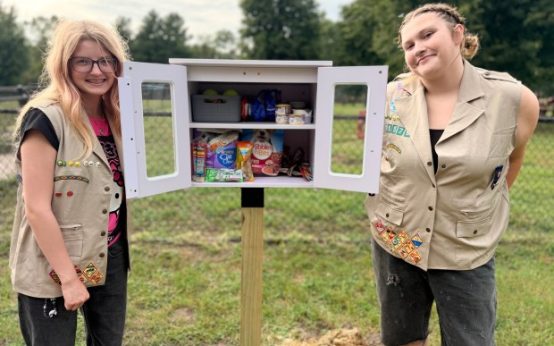 Girl Scout Troop 35579 Project: Pet Pantry for Woodland Park
  Children’s YouTube Star Ms. Rachel Draws Scrutiny Over Links to Palestinian Photojournalist