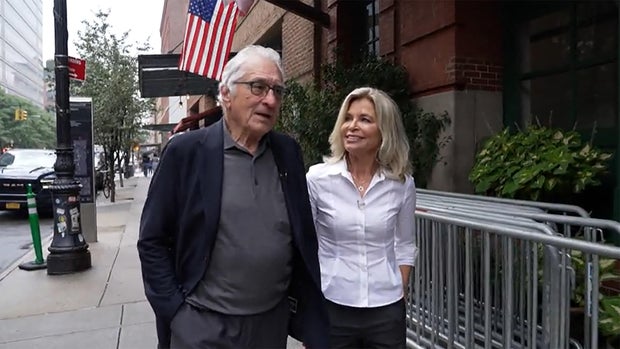
Film icon Robert De Niro, who has lived and worked in Lower Manhattan for years, reflects on the personal impact of the 9/11 attacks. On the morning of September 11, 2001, De Niro had planned to fly to California but changed course, witnessing firsthand the devastation at the World Trade Center. The vivid memories of seeing the North Tower smoke and the South Tower collapse have stayed with him.
In the aftermath, De Niro’s neighborhood resembled a ghost town. The dust from Ground Zero blanketed much of Lower Manhattan, a lingering toxic presence that infiltrated homes. De Niro, concerned about the harmful effects, covered his windows, aware of the potential dangers posed by the dust.
Together with his business partner Jane Rosenthal, De Niro began searching for ways to aid Lower Manhattan’s recovery. Already considering starting a film festival, the duo intensified their plans post-9/11 as a means to support a city in distress. Rosenthal recounts her fears as a mother and emphasizes the festival’s role in providing solace and hope.
“It was about giving our neighbors a comforting embrace and saying, ‘We will get through this,'” Rosenthal explained.
In May 2002, the inaugural Tribeca Film Festival drew significant crowds and noteworthy participants, such as Nelson Mandela. De Niro and Rosenthal aimed to create an event that conveyed resilience and renewal.
Since its founding, the Tribeca Festival has expanded beyond films, incorporating concerts, panel discussions, and technology showcases throughout New York City. A new documentary, “Tribeca 25,” launching on Netflix, chronicles this growth.
De Niro’s off-screen activism mirrors the fervor he brings to his roles, evident in his participation in “No Kings” rallies opposing President Trump. He and Rosenthal view the establishment of the Tribeca Film Festival as both a defiant response to 9/11 and a statement against current political challenges. De Niro criticizes the administration’s handling of the situation, dismissing claims of “Trump Derangement Syndrome.”
Despite less dialogue about Lower Manhattan’s comeback, De Niro remains confident in its recovery. He emphasizes the city’s resilience, with the Tribeca Festival contributing significantly to economic revitalization and creative opportunities since its inception.
“I always believed in the city’s ability to overcome,” De Niro stated. “The Tribeca Festival plays a crucial role in this journey.”
Over the years, the festival has introduced countless films and garnered substantial revenue, supporting emerging directors like Ryan Coogler and Damien Chazelle.
De Niro acknowledges the global presence of film festivals but recognizes Tribeca’s unique necessity and contributions to New York City.
 Patrick Clancy Shares Insights into Tragic Family Loss
  Melanie Griffith Reflects on Wellness Retreat and Career Legacy
 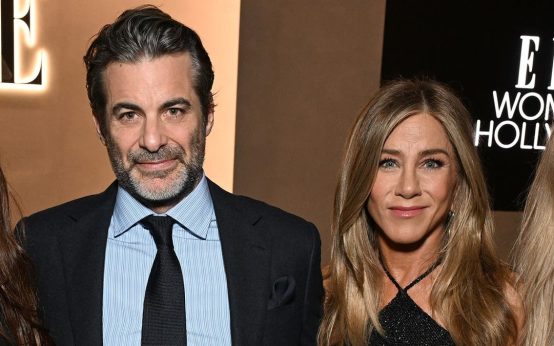 Jennifer Aniston’s Relationship Insights from Relationship Experts
  Kim Kardashian Shares Esophagitis Diagnosis Amid Personal Concerns
 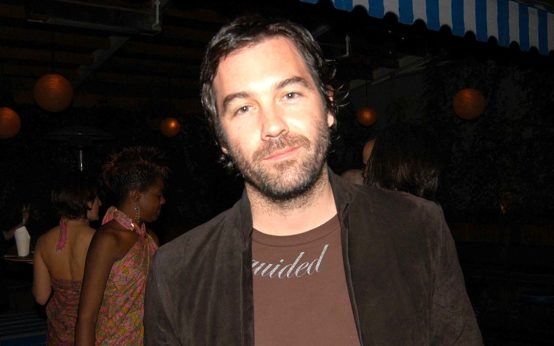 Duncan Sheik, Singer-Songwriter and Broadway Composer, Dies at 56
 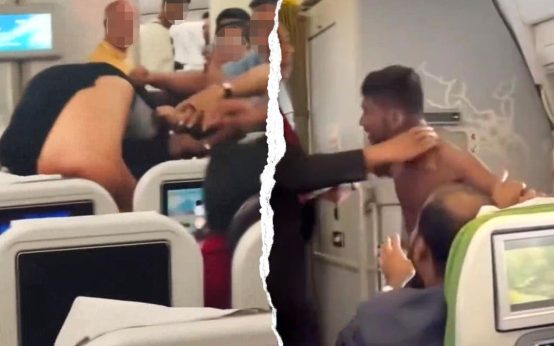 Midair Altercation on Bangladesh to London Flight