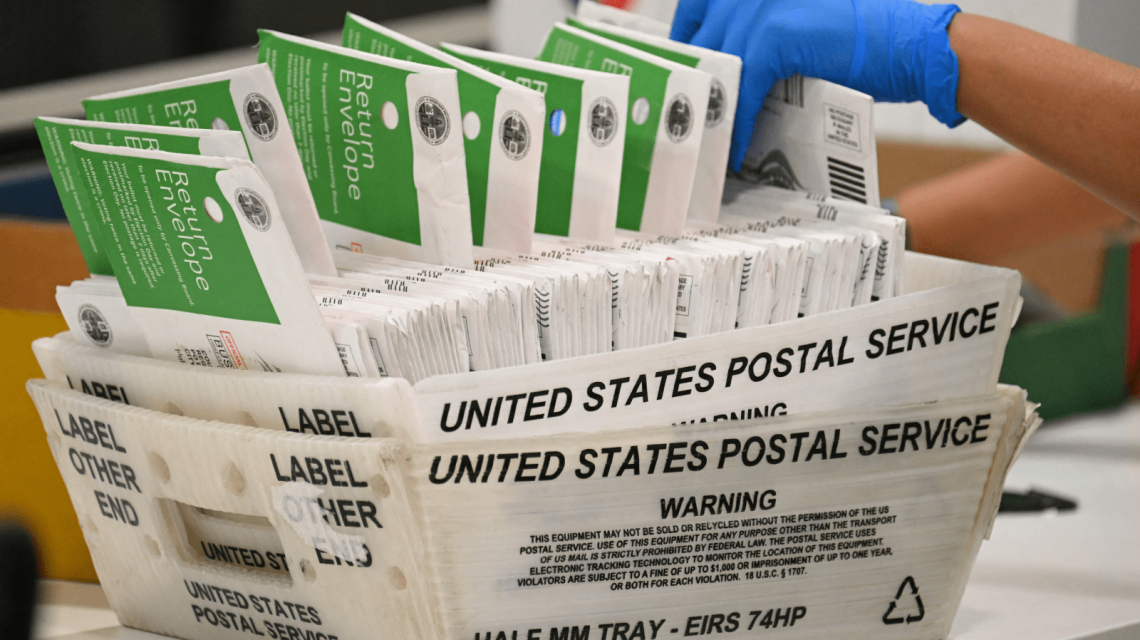
The Trump administration has requested that the Supreme Court restore new postal restrictions on mail ballots. This move could compel election officials to alter established systems as voting kicks off. The administration claims these changes are essential to safeguarding election integrity. However, critics argue they might disrupt voting in states where mail ballots are routinely used.
Proposed Changes
The proposal demands states use USPS-approved voting envelopes with unique barcodes and provide voter information through a federal system before mailing ballots. On September 1, USPS released a statement indicating it was finalizing the Federal Ballot Mail Portal. This platform will enable election officials to become familiar with it voluntarily, part of USPS’s ongoing effort to manage election mail securely and efficiently.
Despite a temporary restraining order, USPS affirms it has adhered to court orders, emphasizing transparency and collaboration with election officials, Congress, courts, and other stakeholders. The administration implored the Supreme Court on September 3 to reverse a lower court’s block on these provisions ahead of the November election.
Impact on Upcoming Elections
A swift decision is crucial as the 2026 midterms include significant races in states where mail voting is prevalent. Newsweek highlights eight races in Arizona, Nevada, Colorado, and California with a combination of high mail-voting exposure and political significance.
The administration seeks to lift a temporary block on rules requiring voter lists, individualized barcodes, and federally reviewed ballot envelopes.
While Democrats lead in most of the critical races, the immediate concern is potential administrative turmoil rather than a definitive partisan shift. The Supreme Court has set September 8 as the deadline for a response, leaving the policy’s status uncertain.
Arizona and Nevada Key Races
The final USPS rule was published on August 26, approximately 69 days before the election. It outlines requirements for officials to provide names, addresses, and unique ballot identifiers through a federal portal, allowing USPS to reject noncompliant mailings. This is particularly relevant in states like Arizona and Nevada, where mail voting is common.
- Arizona Governor: The gubernatorial contest between Democratic Governor Katie Hobbs and Republican Andy Biggs is greatly affected, with polls showing Hobbs having a notable lead. Yet, Arizona’s reliance on mailed ballots means changes could influence the campaign.
- Arizona’s 1st and 6th Congressional Districts: In these toss-up districts, any modification to mail-ballot procedures could garner significant attention.
- Nevada Governor: The race, featuring Republican incumbent Joe Lombardo and Democratic Attorney General Aaron Ford, along with independent Danielle Ford, is considered tight. Potential changes in ballot administration could affect outcomes statewide.
- Nevada’s 3rd and 4th Congressional Districts: Both districts are rated Lean Democratic, but any mail procedure changes state-wide could be decisive.
Colorado and California Races
- Colorado’s 8th Congressional District: The race combines wide mail voting usage with fierce competition, categorized as a toss-up.
- California’s 22nd Congressional District: The district is another toss-up, with mail voting already established, but abrupt federal requirements could have a significant impact.
Supreme Court’s Role
The administration has a potential path due to a previous Supreme Court decision lifting an injunction on Trump’s executive order. The current application differs as the USPS issued a final rule. States claim the portal is unready, and implementation might be premature. The Court’s response, based on timing, will significantly influence election preparations.
 Russia Criticizes Potential U.S. Military Base and Nuclear Plan in Lithuania
  President Trump Criticizes Media Coverage of Ohio Rally
  Trump Comments on Gas Prices Amid Global Conflicts
  Early Republican Primary Tensions Highlight 2028 Politics
  Debate Season Heats Up Ahead of Election Day
  Senate Race in Maine: Collins and Jackson Face Tight Competition