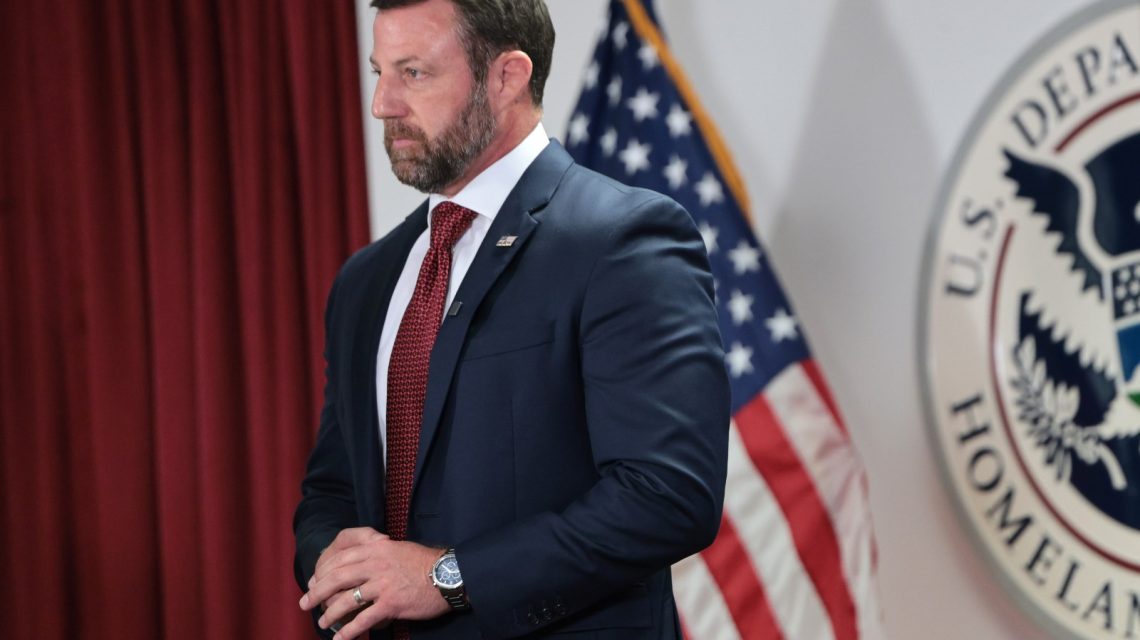
Homeland Security Secretary Markwayne Mullin announced potential new measures by the Trump administration to restrict travel for women in the late stages of pregnancy, aiming to prevent so-called birth tourism. The administration is focusing on curbing foreign nationals from coming to the U.S. to give birth, thus obtaining citizenship for their children.
Mullin stated in a Fox News interview that collaboration with the Department of Justice (DOJ) and the Department of Health and Human Services (HHS) is underway to develop rules preventing third-trimester pregnant women from entering the U.S. He compared this to existing policies that prevent entry to individuals with contagious diseases.
A Department of Homeland Security (DHS) spokesperson emphasized that giving birth in the U.S. is not illegal. However, addressing potential visa fraud and other federal law violations remains a priority. The spokesperson declined to comment on specific investigations or strategies but confirmed ongoing work with various partners to combat transnational crime.
“We don’t allow sick individuals to come in here if they’re coming from an area…that could possibly spread a disease,” Mullin noted.
An executive order from August 6 mandates that the secretaries of State and Homeland Security prevent the misuse of nonimmigrant visas for ‘birth tourism.’ The order, while not banning pregnant women entirely, focuses on those intending to give birth on U.S. soil. It includes provisions for denying and revoking visas, rejecting travelers at borders, and exceptions based on humanitarian grounds.
Leon Fresco, a former deputy assistant attorney general, highlighted that travelers must gain admission from a Customs and Border Protection (CBP) officer. Pregnant travelers might undergo more thorough inspection processes to verify their trip purposes.
Under current policies, being pregnant and traveling to the U.S. is not banned. B-category visitor visas evaluate the primary purpose of the travel. The lack of data on birth tourism births presents enforcement challenges, according to Amanda Frost, a University of Virginia law professor.
Regulations from 2020 prevent tourist visas for the primary purpose of obtaining citizenship by birth. An applicant’s intention to give birth might bar their entry if detected. However, those needing medical treatment can still obtain visas if they prove they can cover their expenses.
Fresco pointed out that despite existing policies, differentiating genuine medical need from birth tourism remains complex and politically divisive.
The Trump administration’s approach involves updating visa policies, establishing a State Department task force reviewing visa activities. Over 600 visas were revoked worldwide, though not all revocations prove involvement in birth tourism.
CBP has a crucial role in making admissibility decisions at ports of entry. Immigration fraud plays a part in identifying travelers with misrepresented intentions, potentially permanently barring them from U.S. entry.
Determining the prevalence of birth tourism is challenging. Fresco explained that legitimate circumstances, like being in the U.S. on a work visa, do not qualify as birth tourism. The practice focuses on obtaining visas solely to give birth to U.S. citizen children.
The issue interconnects with birthright citizenship debates. Trump’s order aims to regulate entry before births occur, affecting visa and admission systems. Despite attempts, birthright citizenship cannot be blocked, but limiting related immigration benefits might be pursued further.
“They can’t block birthright citizenship, which is what they tried,” Fresco noted. “What they’re going to try to do is block all of the various accompaniments that come with birthright citizenship.”
 The War on Poverty: A Lesson on Intentions and Outcomes
 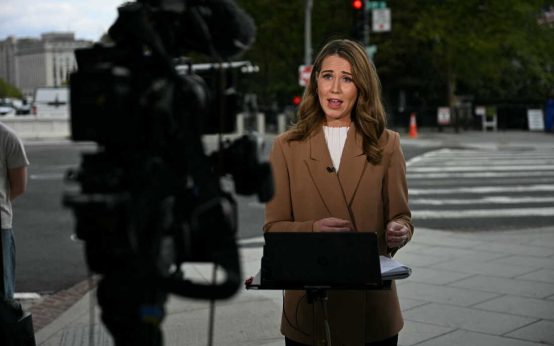 Reporters Blocked from White House by Trump Administration
  Universities Should Reject Political Influence on Research Funding
  Trump’s Approach to China: Trade Dynamics and Challenges
  Media Outlets Sue After White House Ban
  American Public Opinion on Press Freedom