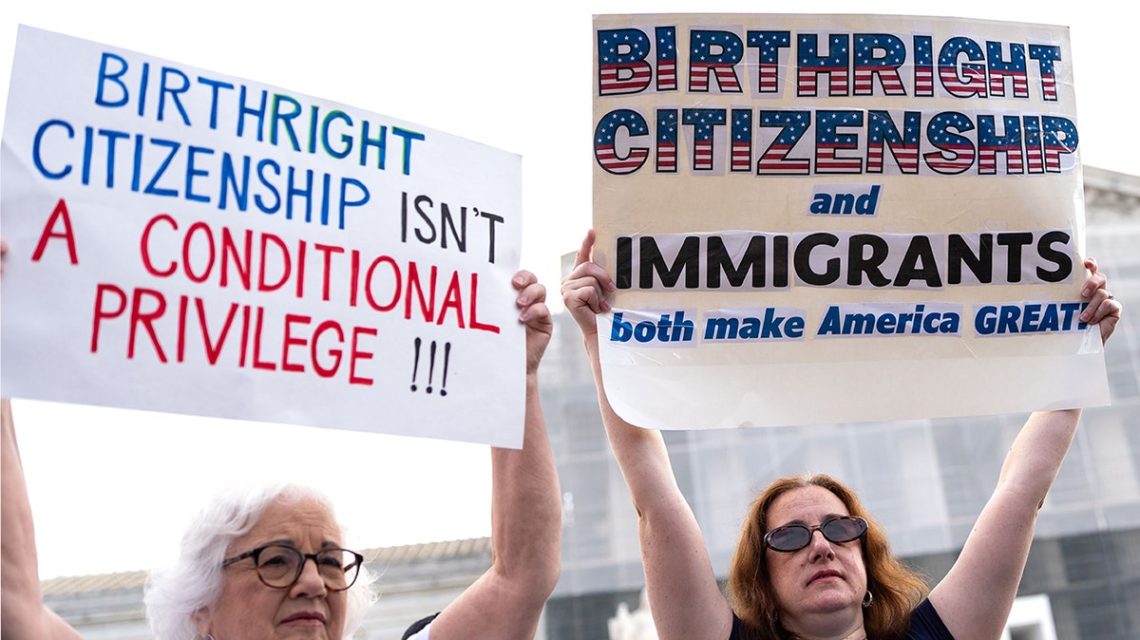
A federal judge appointed by President Biden has temporarily blocked President Donald Trump’s executive order aimed at curtailing birthright citizenship, leading to a significant legal confrontation over the interpretation of the 14th Amendment.
Judge Deborah Boardman issued a preliminary injunction against the executive order dated August 6, citing the Supreme Court’s recent affirmation of birthright citizenship in its decision in Barbara v. Trump. Her ruling marks the initial stoppage of Trump’s adjusted order since the Supreme Court confirmed the principle in June.
Previously, Boardman had halted Trump’s original birthright citizenship order before the Supreme Court considered the matter.
Trump’s directive aimed to restrict birthright citizenship for children of parents classified as alien enemies, such as members of designated Foreign Terrorist Organizations, and those whose foreign parents employed surrogates in the U.S., among other constraints. These actions prompted Court Appointed Special Advocates (CASA) to initiate legal proceedings against Trump’s administration.
The 2026 Executive Order is almost certainly unconstitutional as applied to the certified class for the simple reason that the Supreme Court in Barbara already decided that the children in the class are citizens at birth,” Judge Boardman stated in her decision. “The court must, once again, temporarily prohibit enforcement of the President’s latest attempt to deprive these individuals of their citizenship rights.
The White House dismissed Boardman’s determination as the actions of an activist judge obstructing President Trump’s straightforward agenda.
White House spokeswoman Lauren Bis stated, “The executive order on birthright citizenship aligns with the analysis established by the Supreme Court.”
In a narrow 5-4 decision, the Supreme Court concluded that the 14th Amendment grants citizenship at birth to children born in the United States even if their parents are unlawfully or temporarily present, as per the ruling in Barbara v. Trump.
While exceptions to birthright citizenship, such as children of foreign diplomats or those born during hostile occupations, are recognized, Boardman dismissed Trump’s order focusing on children identified as alien enemies. She acknowledged plaintiffs’ apprehensions regarding the Trump administration’s expansive criteria for defining an enemy.
Plaintiffs argued that the administration’s conclusions might rely on inaccurate or speculative evidence, including tattoos or familial links. Boardman referenced cases like Andrea, who fled a cartel-influenced area in Mexico, and Monica, a Venezuelan individual concerned about potential false associations with Tren de Aragua.
Former Justice Department official Abhi Kambli noted that Boardman speculated about improper exclusion from citizenship based on alleged foreign terrorist affiliations, addressing the facial challenge presented against the entire executive order.
Boardman employed language from the First Circuit to underline the irreversible harm caused by denying citizenship. The ruling emphasized that losing birthright citizenship could inflict lasting consequences on affected individuals.
Monica, one of the plaintiffs, expressed relief over the injunction during her pregnancy but noted the ongoing threat to birthright citizenship. She vowed to continue advocating for secure citizenship rights for her child and others.
Shana Khader, legal director at We Are CASA, praised the ruling, stating that attempts to revoke children’s citizenship rights contradict constitutional directives. Khader affirmed the determination to continue the legal battle alongside affected families.
 Mayor Mamdani and President Trump Discuss Major Housing Project in NYC
 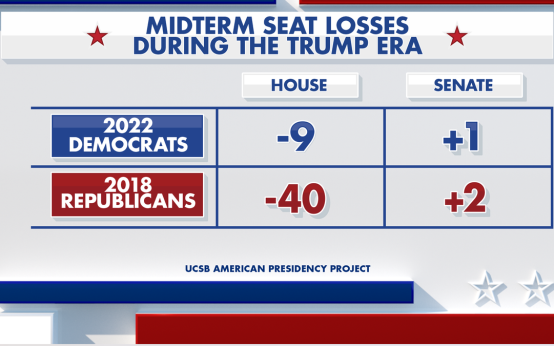 Poll Reveals MAGA’s Increasing Popularity Over DSA as Democrats’ Future Debated
 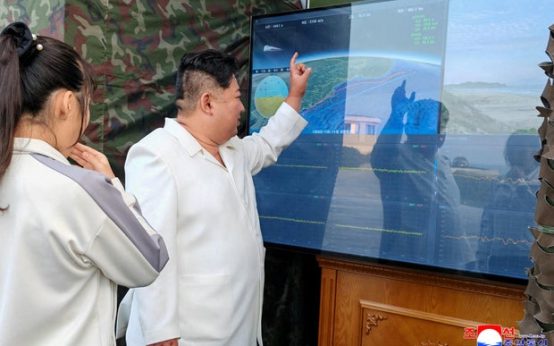 North Korea’s Hypersonic Weapon Test Amid Global Tensions
 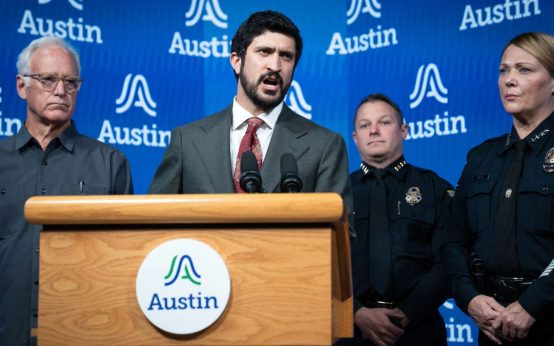 Debate Over ICE Action in Austin Escalates
  President Trump Warns of Escalating War with Iran at UN Assembly
  Tariffs and Their Impact on Everyday Products