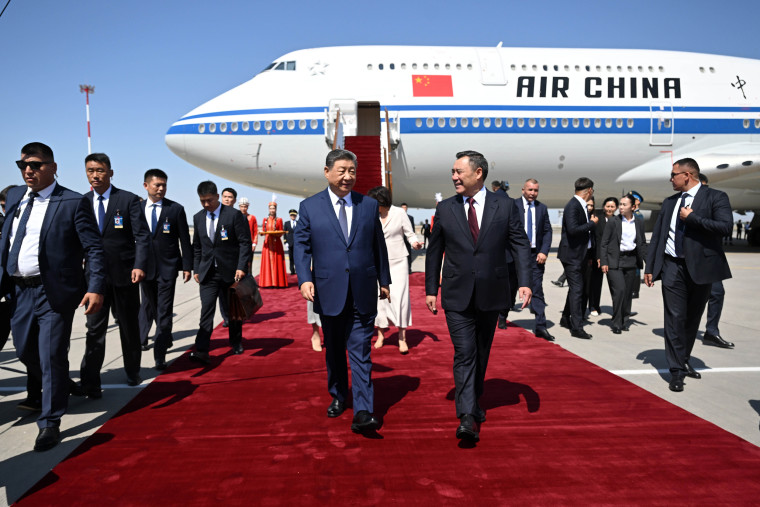
The summit of the Shanghai Cooperation Organization (SCO) took place in Kyrgyzstan, bringing together leaders from China, Russia, India, and other nations. The SCO serves to counter U.S. global influence, featuring significant participation from Chinese President Xi Jinping, Russian President Vladimir Putin, and Indian Prime Minister Narendra Modi. Events unfolded in Bishkek, Kyrgyzstan’s capital.
During bilateral sessions, Putin met with Xi and Modi, focusing on strengthening ties. Putin assured Xi of Moscow’s readiness to permanently establish a visa-free regime with China. Additionally, Putin emphasized strengthening the relationship with India.
Upcoming talks are scheduled between Putin and Iranian President Masoud Pezeshkian. Russia, engaged in its prolonged invasion of Ukraine, and Iran, involved in conflicts with the U.S. and Israel, see the summit as crucial for building relations with non-Western allies.
Modi expressed India’s support for ending the Ukraine war, emphasizing the importance of peace for humanity.
The SCO, initiated in 2001 by China, Russia, and four Central Asian countries, focuses on security. Its influence and size have grown, though its goals remain unclear. It includes Russia, China, India, Iran, Pakistan, Belarus, Kazakhstan, Kyrgyzstan, Tajikistan, and Uzbekistan. Numerous countries hold ‘dialogue partner’ status.
With Xi Jinping welcomed by Kyrgyz President Sadyr Japarov at Manas International Airport, China’s priority is expanding SCO’s scope and influence, providing development and financial aid. Beijing promotes an alternative world order with Russia’s backing.
SCO members use the summit to display robust ties globally despite deteriorating relations with the West. Yet, the organization isn’t a unified bloc, and analysts highlight significant disagreements among members.
For India, the summit focuses on optics and strategic signaling rather than substantial outcomes. Experts note India’s opportunity to protect interests, monitor shifts, and project reliability. Dinakar Peri from Carnegie India emphasizes India’s strategic participation in a competitive regional landscape.
Turkey, with its partner status in SCO, aims to bolster its regional position. It balances traditional Western ties, like NATO, with Eurasian influence. President Recep Tayyip Erdogan seeks full membership, although Turkey’s EU membership bid remains stalled.
Security measures in Bishkek included closing major sites and restricting flights during the summit. Traffic in central Bishkek faced frequent restrictions, prompting residents to leave the city. The school year began late, and authorities declared a non-working day for public employees in Bishkek.
 Hurricane Polo Threatens Catastrophic Impact on Mexico’s Coast
 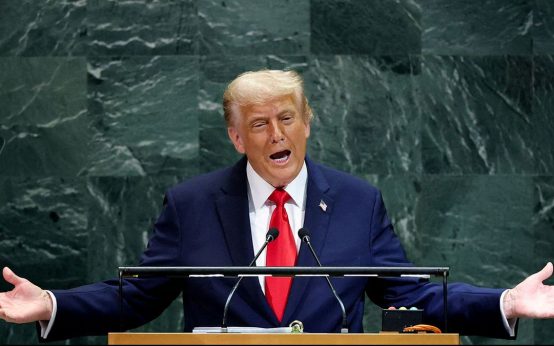 Trump’s Diplomatic Agenda: UN Speech and Global Issues
  The Shofar: A Symbol of Healing and Redemption
 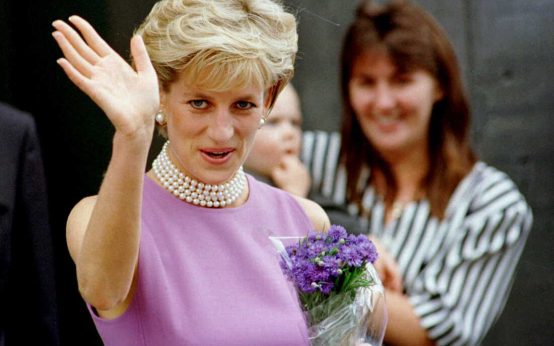 Princess Diana’s Brother’s Book Sparks Royal Controversy
  Cancellation of the Red Sea International Film Festival Amid Regional Conflict
  Family Seeks Answers Following Elderly Woman’s Death Under Canada’s Assisted Dying Program