The Trump administration’s actions have affected many sectors, including efforts to combat antisemitism in universities. Initiatives, such as the Task Force to Combat Anti-Semitism led by the Department of Justice and the Department of Health and Human Services, have centered on addressing perceived issues on university campuses. These actions focused significantly on pro-Palestine protests against Israel’s Gaza conflict.
Investigations carried out by this task force under Title VI of the Civil Rights Act targeted 60 colleges, including prestigious Ivy League institutions like Harvard, Columbia, and Brown. The administration claimed these institutions were sites of rampant antisemitic behavior. However, the accusations, though based on actual incidents, were overstated. These charges largely fell short of meeting the legal standards for Title VI.
A former Justice Department attorney exposed procedural flaws in the investigations, alleging these were schemes to extract large sums of money from universities. Despite the scant evidence of systemic discrimination, federal funds were withheld from these campuses, forcing settlements. Columbia and Brown paid $270 million collectively, while Northwestern University settled claims for $75 million.
Harvard faced enforced action for refusing to settle, though a federal judge dismissed the case, citing the incidents as isolated events rather than widespread discrimination. Both the court and the whistleblower acknowledged the reality of antisemitic acts, but not to the extreme levels required for Title VI enforcement.
The investigations overshadow genuine antisemitic incidents and obstructed educational opportunities. The misuse of accusations influenced the perception of incidents at Gaza protests, detracting from understanding the line between political expression and threatening language.
Chants like “Globalize the Intifada,” while protected by the First Amendment, carry offensive connotations to many Jews, suggesting support for violence. Historical incidents involving such sentiments include attacks in Manchester, Sydney, and Mumbai, highlighting the phrase’s implications.
Engaging in calm discussions about these expressions could help address the impact symbols and slogans have on affected communities. Yet, the administration’s approach fueled divisions, complicating constructive dialogue. This situation underscores the broader implications of using antisemitism accusations as political leverage, with widespread repercussions.
Written by Steven Lubet, Williams Memorial Professor Emeritus at Northwestern University Pritzker School of Law.
 The Cost of Challenging Beijing
  Analyzing Midterm Elections and Party Dynamics
  Significant Events in Chicago History on September 21
 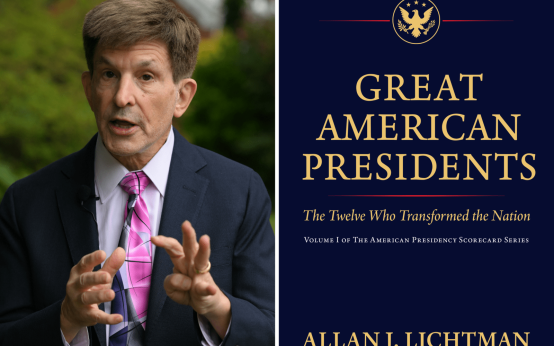 Allan Lichtman’s Framework for Assessing Presidential Greatness
  Presley Gerber Passes Away at 27 in Rehab Facility
 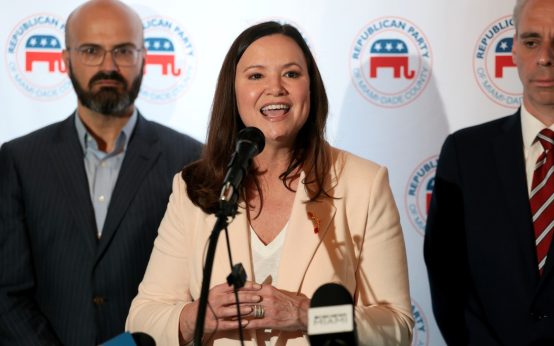 Florida Senate Race Tightens as Recent Polls Show Dead Heat