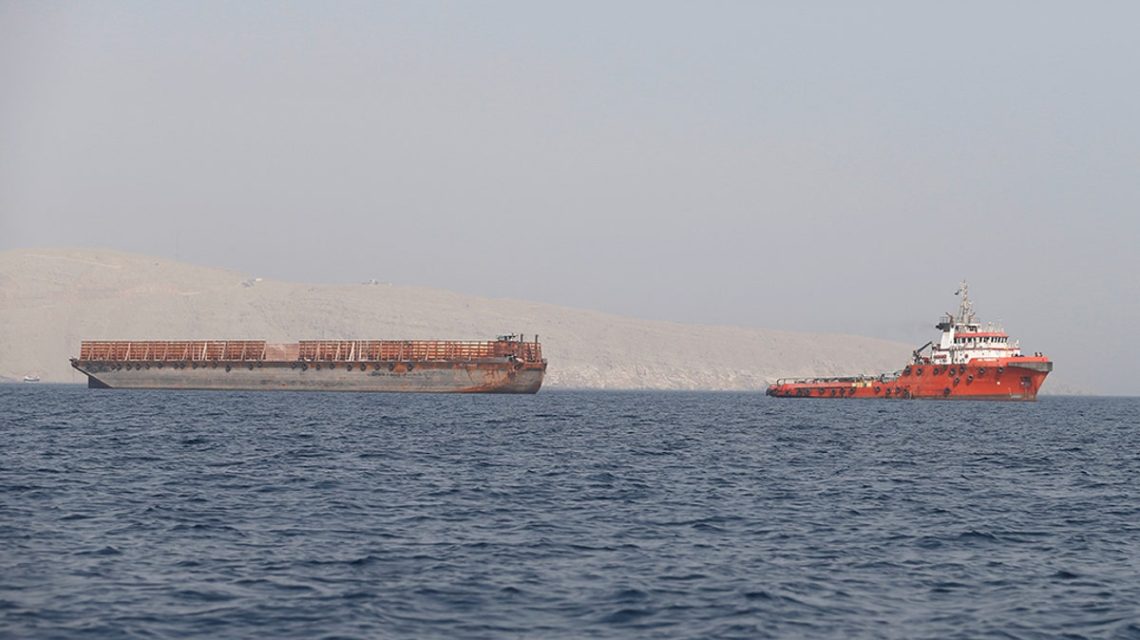
President Donald Trump recently announced that the United States has eliminated all mines from international waters in the Strait of Hormuz. This declaration follows an extensive operation by U.S. forces to remove Iranian sea mines from established shipping lanes used by commercial vessels.
Adm. Brad Cooper, commander of U.S. Central Command, provided a detailed explanation of this high-stakes operation. We have successfully cleared sea mines in the Strait’s international shipping lanes laid by Iran’s Islamic Revolutionary Guard Corps,
he said. Despite cleared lanes, the Strait remains a SEVERE threat level due to various ongoing threats.
The Strait of Hormuz is crucial, being only 21 miles wide at its narrowest point, with two-mile-wide shipping lanes in each direction. It connects many major oil producers to the Indian Ocean.
Cooper praised the military’s efforts, stating, Internationally recognized transit routes in the Strait are free of Iranian sea mines thanks to the incredible work of the U.S. military.
The operation used Navy divers, Navy SEALs, and air power from various branches to clear mine threats.
A Navy transition in mine warfare is underway, as newer unmanned systems replace retired mine countermeasure ships. Defense analyst Bryan Clark mentioned the Navy’s nadir in mine-sweeping capacity.
Retired Vice Adm. Kevin Donegan explained that mine-clearance operations involve surface and subsurface vessels, including unmanned systems, for mine detection and destruction. Different sections of waterways can be at different operational stages simultaneously.
Throughout operations, continuous scanning ensures the discovery and neutralization of any remaining mines. Donegan described the Navy’s sophisticated detection model, which aims for near-perfect detection of mines.
The Navy’s preparation for such operations through recurring NAVCENT exercises since 2012 was highlighted. Cooper noted that U.S. forces have helped nearly 1,500 commercial vessels, carrying a substantial amount of crude oil, navigate safely through the Strait.
Currently, the military juggles enforcing a naval blockade on Iran while safeguarding commercial shipping channels. Since July, U.S. forces have intercepted multiple vessels attempting to breach the blockade.
A report stated that U.S. forces identified over 200 mine-like objects in the main shipping lane, of which 11 were actual mines.
Despite CENTCOM’s declaration, broader maritime security remains a pressing concern. The latest advisory keeps the Strait at a high threat level, and hostile actions are considered likely. Clearance and surveying operations persist, with commercial vessel traffic notably lower than prewar levels.
Reports of tanker attacks near Oman further highlight unresolved security issues. Although all crew members were safe, these incidents, along with reduced oil flow data from Reuters, spotlight challenges in restoring normalcy in the region.
Iran and Oman reveal plans to discuss joint navigation and mine-clearance efforts, though details remain sparse.
Cooper’s announcement swings open the door to restoring commercial traffic through the Strait, offering the most comprehensive account of the efforts behind Trump’s bold statement. Nonetheless, the ongoing maritime risks and reduced traffic underscore a persistently volatile situation.
 Gorillaz and Macklemore Respond to Controversy Over Israel-Palestine Statements
 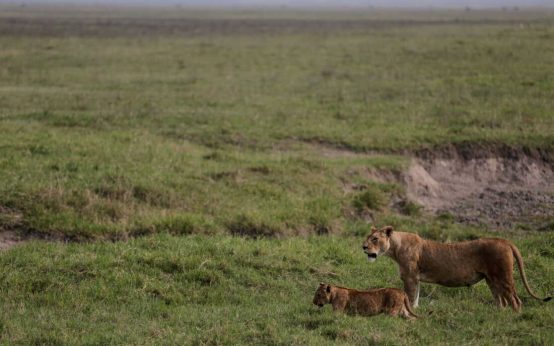 Investigation into Lion Deaths in Tanzania
  Merz Stays Resolute Amid Electoral Shifts in Germany
 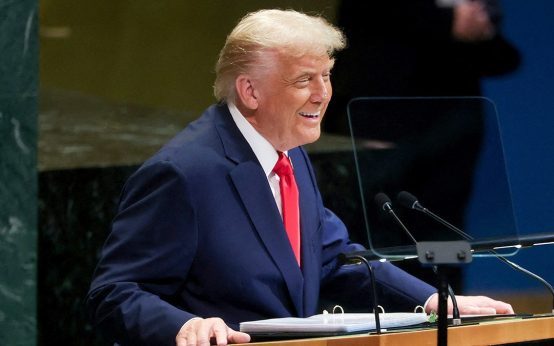 U.S.-Iran Relations and Diplomacy at Upcoming U.N. Assembly
 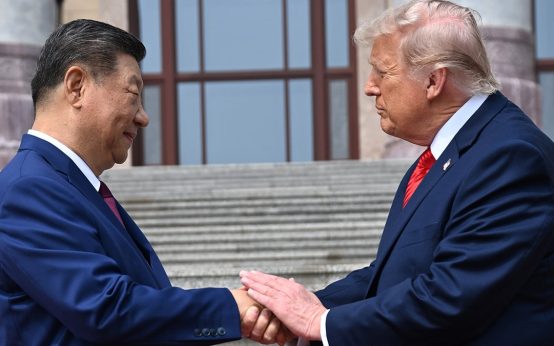 US-China Relations Under Scrutiny: Expert Warns of Escalating Tensions
  Extradition of Suspects in Haitian President’s Assassination