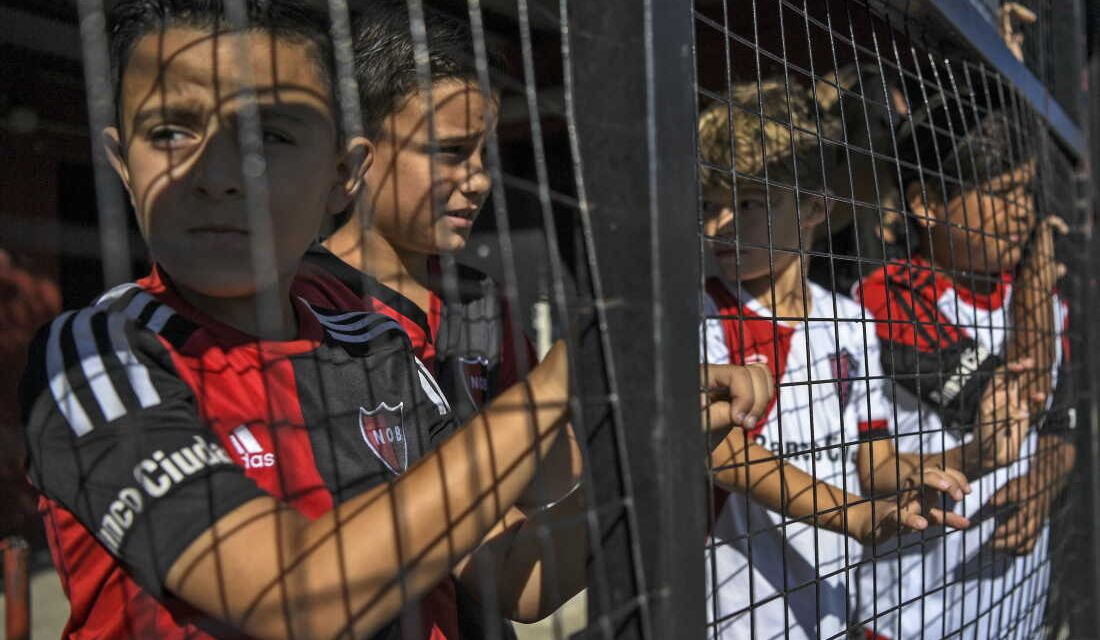
Children eagerly wait for their turn on the field at Newell’s Old Boys in Rosario, Argentina. This club is well-known for producing soccer talents like Lionel Messi. Located in Argentina’s third-largest city, it boasts one of the country’s most effective youth academies.
An Inclusive Approach
Every week, approximately 700 children aged 4 to 12 train at Newell’s facilities. The training ground is decorated with murals of famous alumni, including Messi. Talented young prospects at Newell’s ‘baby football’ program receive scholarships for free training; others pay about $25 monthly for twice-a-week sessions with ex-professional coaches.
Competitive matches occur on weekends, pitting the young players against teams from across the city. Carlos Gil, a fencing contractor, brings his eight-year-old son to practice each week. He values the coaching level at Newell’s, noting that similar training in the U.S. can cost between $1,000 to $3,000 annually.
Gil points out that high fees would exclude many young players in Argentina, potentially threatening the nation’s status as a soccer powerhouse. The country’s top players often come from low-income backgrounds, and high costs would limit access to essential training.
Global Lessons
The recent World Cup has triggered discussions about the affordability of youth soccer in the U.S., where a ‘pay-to-play’ model dominates. Some argue this system stifles the development of male soccer talent. In contrast, Argentina keeps its youth soccer accessible and continues to develop world-class players.
Newell’s Old Boys showcases how clubs can make youth training affordable without relying on tuition or external donations. The club sustains itself through its professional team’s revenue from ticket sales and broadcasting rights, as well as profits from transferring young players.
Financial Dynamics in Youth Soccer
Youth clubs in the U.S. often miss out on transfer payments, unlike in Europe and South America, where training compensation and solidarity payments exist. MLS teams are not mandated to share transfer fees with U.S. youth clubs. This lack of financial support puts American youth programs at a disadvantage, according to Rory O’Neill, a youth coach in Pennsylvania.
O’Neill suggests U.S. soccer could benefit from an open system, which exists in other regions. In such a system, teams are promoted or relegated based on their performance, which encourages investment in youth development. Currently, MLS has a closed structure, limiting improvements in youth academies.
The Argentinian Model
The open system in Argentina, where many clubs have the chance to reach the top league, fosters investment in young players. Newell’s trains about 400 players aged 12 to 18, who practice multiple times a week. Scholarships reduce the financial burden for families, allowing children from varied backgrounds to access quality training.
Carlos Gil travels from a small town 120 miles away to bring his son to Newell’s. Although the journey is demanding, the club’s support makes the effort worthwhile. Gil believes Argentina, despite limited financial resources, offers a better quality of life in crucial areas like youth soccer.
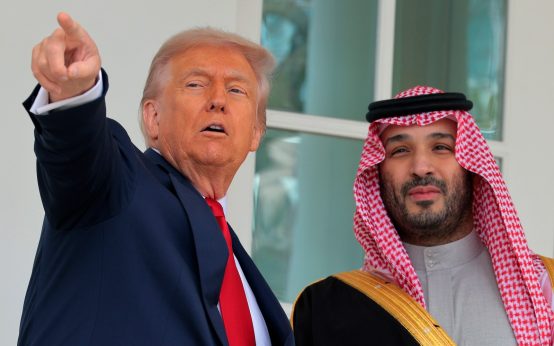 White House Approves F-35 Sales to Saudi Arabia Amidst Regional Tensions
  CeeDee Lamb Leads Dallas Cowboys to Victory Over Washington Commanders
  Inside the Secret Deals Powering the President’s Push to Deport Migrants to Countries Not Their Own
  Buffalo Bills Tailgating and Highmark Stadium Experience
  Navigating the Challenges of Third-Country Deportations
 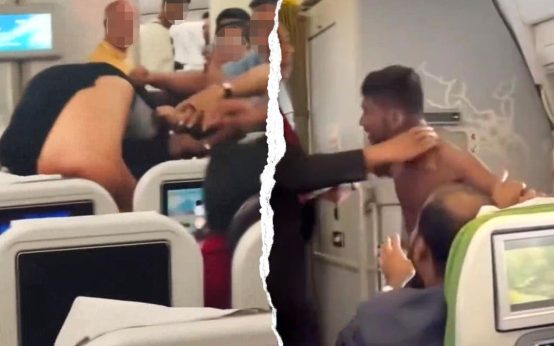 Midair Altercation on Bangladesh to London Flight