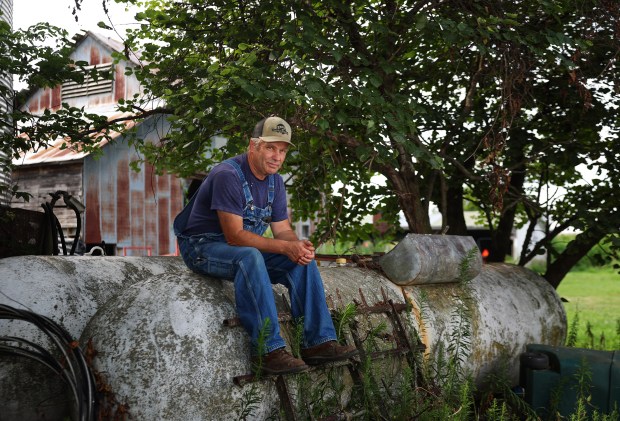
Reagan Hoskin, a person naturally inclined to follow rules, embarked on a journey in agriculture after graduating high school in 2018. During the summer of that year, she meticulously monitored crops for her father, adhering to his precise instructions. Her tasks involved zigzagging through soybean fields, scanning crops from strategic points, and noting any anomalies. It was during these explorations that she spotted a patch of yellow plants at the edge of the family’s farm in Pike County, western Illinois.
“Aw man, the rest of the field looked fine,” Hoskin recalled upon noticing the patch. Drawing on her knowledge of soybean diseases, she suspected sudden death syndrome, a severe yet manageable disease. However, something about the leaves seemed unusual. “There’s just a big patch of yellow crossing the veins,” she noted, reflecting on her observation.
Fast forward eight years, and little is understood about the fungus she discovered. This fungus marked the first confirmed presence of “red crown rot” in the Midwest, a disease potentially reducing soybean yields by up to 60% in severe situations. Soybeans, as a vital crop in Illinois, generate billions in revenue annually, but challenges like trade wars and tariffs, alongside diseases such as red crown rot, pose significant threats to farmers’ livelihoods.
“Nobody cared about this disease initially since Pike County wasn’t significant in the broader context,” said Ron Hoskin, Reagan’s father.
Ron observed substantial attention toward red crown rot only in 2024 when it began appearing in other regions of Illinois and Midwest states. Presently, red crown rot exists in over ten counties across Illinois, Missouri, and Indiana, and it appeared in Minnesota and Wisconsin by 2025.
To tackle the growing issue, Ron sought expertise beyond the local resources. Through a seed seller’s recommendation, Matt Montgomery, a dedicated agricultural scientist, was referred for assistance. Montgomery had encountered red crown rot previously and dedicated efforts toward understanding it since then.
On August 13, 2026, Ronald Hoskin, alongside his daughter Reagan, persisted in wrestling with the disease’s repercussions on their soybean crops. Reagan did not pursue agriculture research despite her initial interest, choosing instead to follow her father’s footsteps by working in his law firm.
Montgomery shared insights regarding red crown rot, highlighting its unprecedented impact, particularly amid a changing climate in the Midwest. The disease thrives in warm soil and moist air, aligning with earlier warm conditions in the Midwest. Environmental fluctuations, including inconsistent rainfall patterns, exacerbate such conditions, further enabling the disease’s spread.
Red crown rot symptoms generally emerge in early August. However, noticeable disease spread was observed by mid-July this year, possibly fueled by significant rainfall. The fungus remains dormant in the soil year-round, attacking growing soybean roots, akin to eroding a building’s foundation.
Ron Hoskin, a seventh-generation farmer, grows corn and soybeans on his 1,600-acre farm. He balances farming with his law career, specializing in estate planning, probate, and real estate. Despite the initial scientific curiosity, Reagan’s open-minded approach evolved as the disease’s economic impact became pronounced.
They initially encountered hurdles when seeking official identification for the disease. Ultimately, it was diagnosed by experts from the University of Illinois after traversing various governmental procedures.
Montgomery emphasized a robust strategy comprising seed treatments, varietal resistance exploration, and comprehensive management to mitigate red crown rot’s effects. Prevention, in his view, involves applying thin chemical coats to seeds, investigating resilient soybean varieties, and managing plant-related stress factors.
While methods to understand the fungus’s transmission are underway, experts suspect contaminated soil as the primary carrier, facilitated sometimes by farm equipment. Wind as a mode of spreading is also under consideration.
Challenges notwithstanding, Montgomery remains optimistic about future solutions, hoping advancements will curtail the damaging impacts.
Mounting difficulties compel the Hoskin family to reassess their strategies. Faced with potential substantial investments in equipment and a shift solely to corn planting, Ron remains hopeful. He experimented with Victrato, the inaugural federally labeled seed treatment for the disease, reporting initial promising signs, albeit temporary disease symptom delays.
The international agricultural community tracks fungus occurrences diligently, exploring innovative techniques like AI to enhance detection processes.
As the disease spread persists, farmers like Calvin Koeller witness reduced yields influencing financial stability. Montgomery encourages responsible vigilance and correct identification for effective management strategies.
Ultimately, despite sporadic outbreaks, Ron remains optimistic about soybean planting next year, with confidence in ongoing scientific advancements paving the way for sustainable farming practices.
 Data Centers in Virginia face Growing Opposition
 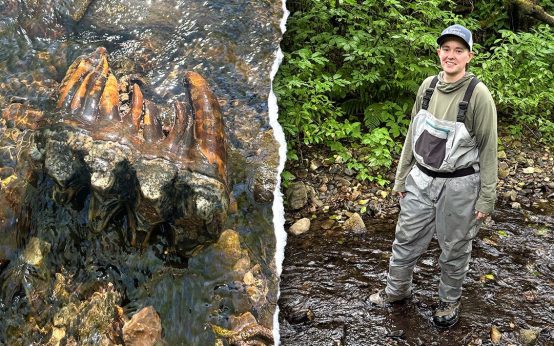 Ice Age Mastodon Tooth Unearthed in California Creek
 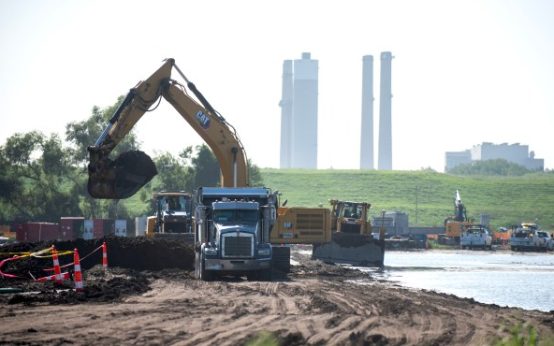 EPA Dismantles Greenhouse Gas Rules, Causing Concern
 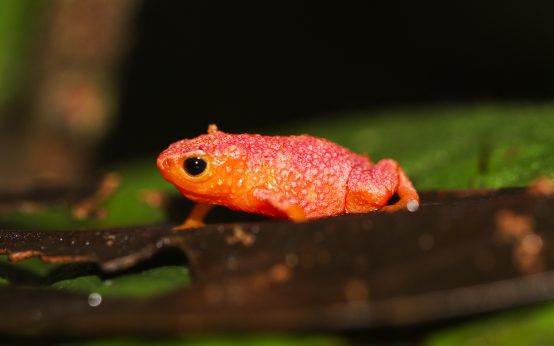 The Unique Challenges of the Pumpkin Toadlet
  How Battery Innovations Transform Renewable Energy
  Data Centers Stir Controversy in Texas Amid Growth Boom