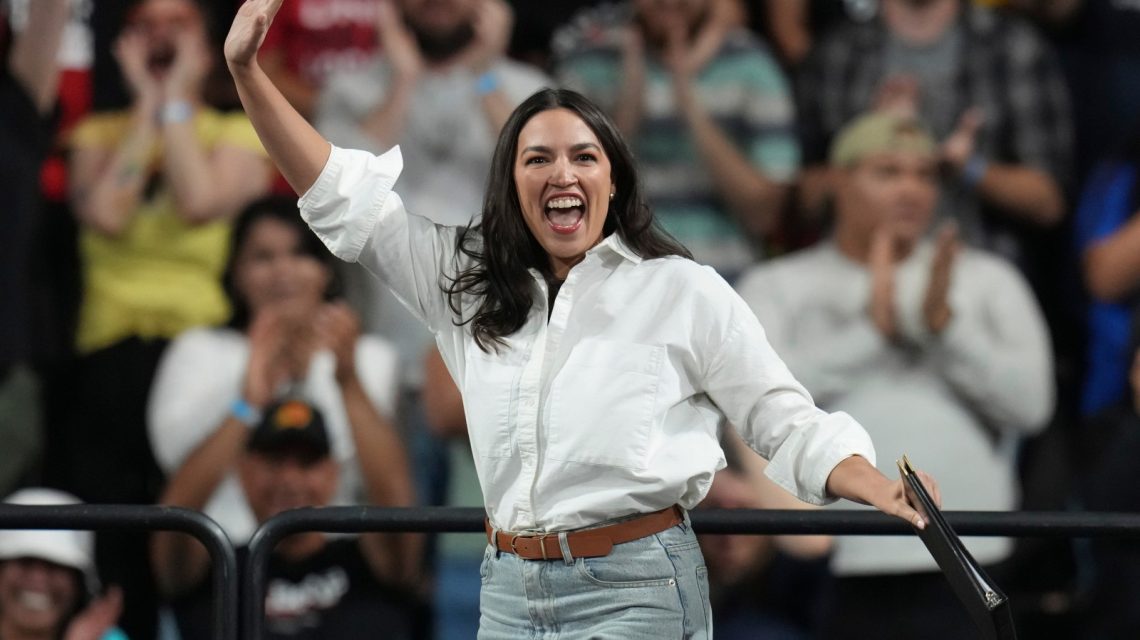
Current Polling Data
In a speculative 2028 presidential matchup, Alexandria Ocasio-Cortez performs closely against Republican Vice President JD Vance. Recent polling results show Vance with 45.1 percent and Ocasio-Cortez at 41.8 percent, while 9.6 percent remain undecided, and 3.5 percent prefer another candidate.
For those decided between Vance and Ocasio-Cortez, Vance leads with 51.9 percent compared to Ocasio-Cortez’s 48.1 percent. Meanwhile, Pete Buttigieg tops the Democratic primary field at 25.7 percent, and Vance leads the Republican race with 41 percent.
Survey Insights
The Quantus Insights poll surveyed likely voters nationally from August 26 to 28, highlighting a small lead for Vance over Ocasio-Cortez. This poll provides an early sense of potential voter coalitions without dependency on official nominations.
These insights reveal differences between the hypothetical matchups and current primary status, demonstrating tight competition despite demographic contrasts among supporters.
Polling Methodology
Quantus Insights conducted SMS-to-mobile interviews with 1,200 likely voters, utilizing voter-file data and adjusting results by sex, age, race, education, party affiliation, and location. The margin of error is plus or minus 3.2 percentage points with larger variations among subgroups.
The 3.3-point gap between candidates mirrors the overall margin of error, indicating a competitive race rather than a significant advantage for Vance.
Candidate Statements and Movements
Neither Ocasio-Cortez nor Vance has proclaimed their candidacy for 2028. Ocasio-Cortez mentioned on ABC’s This Week that she was focused on the midterms but hasn’t excluded a future run. Personnel adjustments within her political organization might suggest she is contemplating potential campaigns, though no firm decisions have been communicated.
Vance maintains a similar stance. In an interview, he stated he would deliberate on future plans post-2026 midterms, noting support from the president but remaining focused on his vice-presidential duties.
Coalition Analysis
Ocasio-Cortez garners strong support among women and younger voters, while Vance gains traction among older and male demographics. Ocasio-Cortez leads with college-educated voters, whereas Vance finds support among less formally educated groups. Geographic and racial distinctions further highlight their different appeal bases.
Democratic and Republican Primary Leads
Buttigieg commands the Democratic primary with 25.7 percent, closely followed by Jon Ossoff at 21.3 percent and Ocasio-Cortez at 15.3 percent. Kamala Harris and Gavin Newsom follow with smaller percentages. For Republicans, Vance leads at 41 percent, ahead of Marco Rubio at 29.1 percent, with other potential candidates trailing.
The primaries are marked by differing voter intensity, depicting divisions without a single candidate combining broad support from committed and less secure voters.
Political Climate
The survey indicates a favorable environment for Democrats, with a lead over Republicans on the generic congressional ballot and Donald Trump’s disapproval rating exceeding approval.
These conditions offer context to Ocasio-Cortez’s strong showing and the possibility of an evolving political landscape as the election approaches.
Future polls will determine whether Ocasio-Cortez’s current support and potential rivaling positions persist or are unique to the present snapshot.
 American Public Opinion on Press Freedom
  Media Lawsuit Against Trump Administration for White House Ban
  The Cost of Challenging Beijing
  Analyzing Midterm Elections and Party Dynamics
  Allan Lichtman’s Framework for Assessing Presidential Greatness
  Florida Senate Race Tightens as Recent Polls Show Dead Heat