
A recent primary election in South Florida has sparked significant discussion within the Democratic Party. The debate centers on Black representation and the party’s strategy to counteract the Republican-led redistricting efforts initiated by President Donald Trump.
Criticism has emerged against Representative Debbie Wasserman Schultz, a Democrat from Florida. She is accused of moving to a safely Democratic district, predominantly held by Black voters, following the redrawing of congressional lines by Florida Republicans. This decision has raised concerns among Black politicians who feel this move could undermine Black political influence.
The national focus on this primary highlights a broader issue within the Democratic Party. As Republicans advance their redistricting efforts, Democrats face internal obstacles in defining their approach to address these changes. Some party members argue for maintaining majority-Black districts to preserve representation, while others suggest altering district lines to ensure broader Democratic success.
This critical debate comes amid a landscape where gerrymandering and redistricting play pivotal roles in electoral outcomes. The Democratic Party’s approach to these challenges will likely have long-term implications for both representation and electoral strategy in upcoming elections.
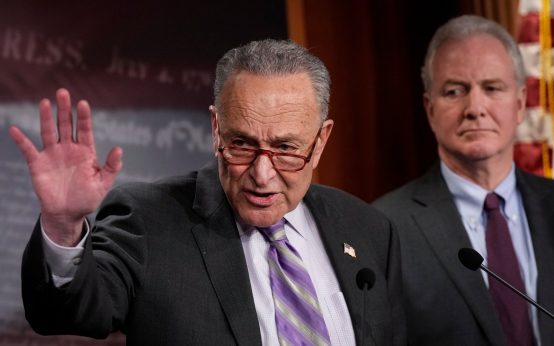 Chuck Schumer Faces Potential Leadership Challenge from Chris Van Hollen
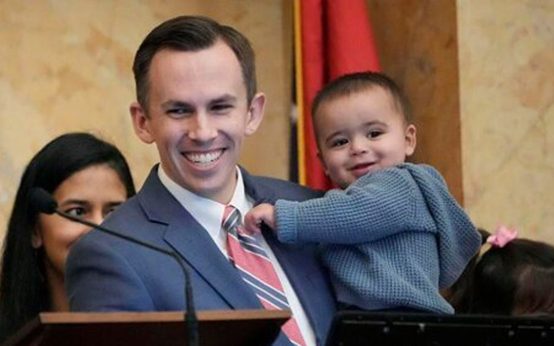 Mississippi State Auditor Shad White Announces Gubernatorial Bid
 Trump Dismisses Third Impeachment Prospects
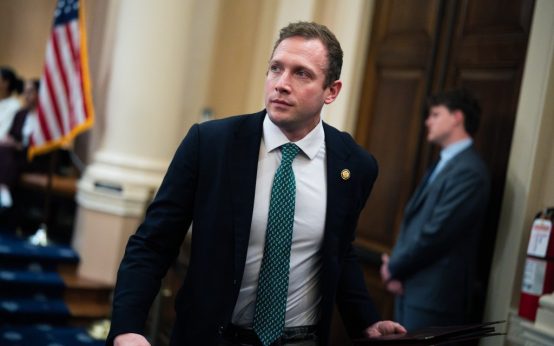 Custody Dispute Involving Rep. Max Miller Delayed
 Attorney General Addresses Post-Midterm Democratic Threats
 Senator Elizabeth Warren and the Future of Crypto Regulation