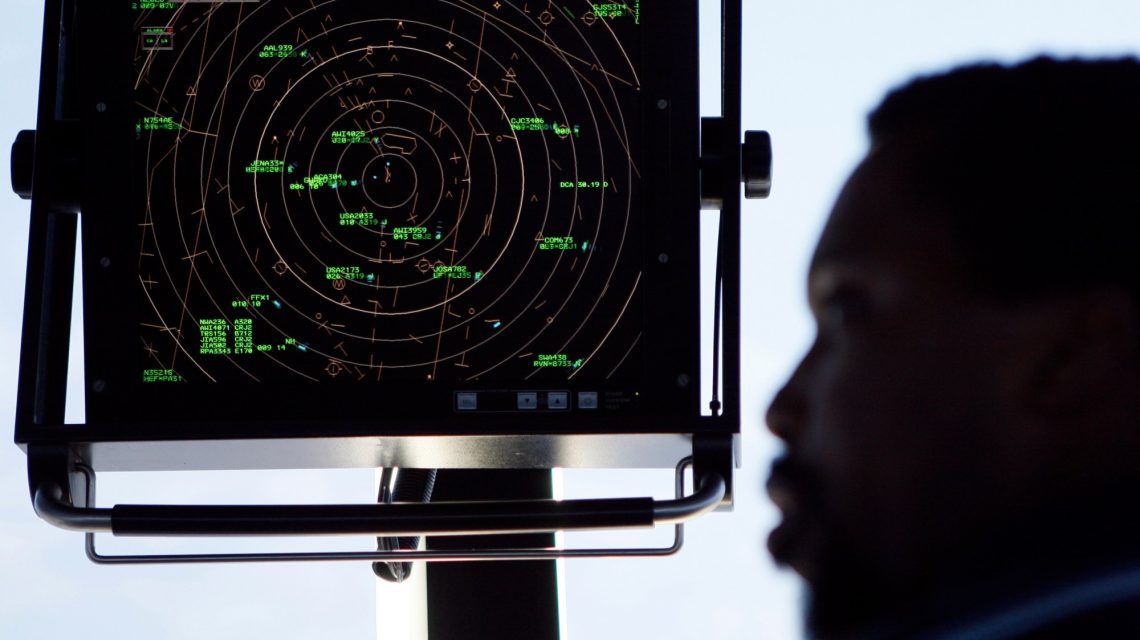
The Federal Aviation Administration (FAA) is exploring a new approach to address the longstanding issue of air traffic controller shortages by recruiting video gamers. Over 2,000 individuals have joined the pipeline through this effort, introducing fresh talent into a field that requires concentration, pattern recognition, and multitasking—skills often honed by gamers.
Despite their potential, increasing applicant numbers alone doesn’t solve the underlying structural problems contributing to persistent staffing shortages. The high-stress nature of air traffic control, where the lives of thousands depend on real-time decisions, makes it challenging to predict who can handle such responsibility. However, the skills gamers develop seem relevant enough to merit their inclusion in recruitment efforts.
Applicants must meet stringent criteria, including being under 31 years old and U.S. citizens, with only 10% of applicants advancing to training. These standards ensure the safety of U.S. airspace remains uncompromised.
The NAV program in Canada offers a different model, operating as a private nonprofit since 1996, under Transport Canada’s regulation. However, it faces a 10% controller shortage, indicating privatization isn’t a complete solution.
This highlights the potential for the U.S. to consider similar privatization processes. While maintaining regulatory oversight, moving recruitment and employment to the private sector could shield controllers from pay disruptions during government shutdowns, such as what occurred in late 2025.
Another strategy involves incorporating artificial intelligence (AI) into air traffic control. AI could handle routine tasks and reduce the workload on human controllers, allowing them to focus where human judgment is essential. Although integrating AI requires extensive research and testing, it could prove crucial for future staffing solutions.
In reality, recruiting gamers is an innovative step, yet insufficient to fully address staffing issues. The FAA must broaden its recruitment pool, offer competitive compensation, secure continuous pay even during shutdowns, and integrate AI to ease controllers’ burden. Without these changes, shortages will persist.
For the U.S. to maintain its reputation for the safest, most efficient airspace, it must resolve the systemic issues hindering recruitment and retention of air traffic controllers.
Sheldon H. Jacobson, Ph.D., is a professor at the University of Illinois Urbana-Champaign, specializing in data-driven, risk-based decision-making in public policy.
 Data Centers Stir Controversy in Texas Amid Growth Boom
  The Technology Rivalry: Trump’s Meeting with Xi and the AI Ecosystem Clash
  Ways to Protect Your Finances from Cyber Threats
  Interview with Nvidia CEO Jensen Huang: AI Outlook and Business Strategy
  Concerns Rise Over Addictive Design of Sports Betting Apps
  Seton Hall National Security Graduate Fellowship Provides Hands-On Experience