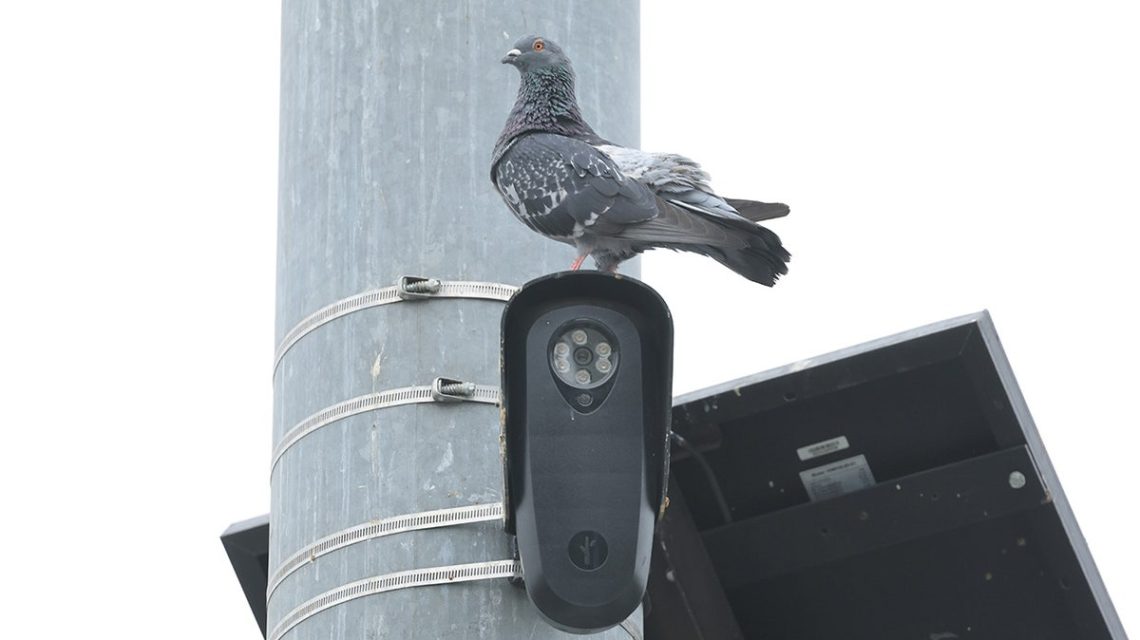
The topic of national privacy is stirring as automatic license plate reader (ALPR) companies face increased scrutiny. Millions encounter ALPR technology daily without realizing its impact on personal privacy. Recent advances in artificial intelligence (AI) have raised concerns about the extent of data ALPR devices can legally collect.
One particular company, Flock Safety, has been spotlighted due to misuse instances. This attention stems from its role in surveillance and occasional crime prevention. Lawmakers, such as Rep. Greg Steube, R-Fla., have expressed alarm at the potential of these devices to track citizens. Steube highlights the importance of legal guidelines to protect Fourth Amendment rights.
“There’s cameras everywhere, people know that, but if law enforcement has the ability to monitor the comings and goings of citizens, I think that’s wrong,” Steube said.
A case involving a former Sarasota police officer who misused Flock camera technology illustrates this misuse. The officer tracked a particular license plate over 300 times, leading to his dismissal and arrest. Meanwhile, other lawmakers argue that while these technologies aid public safety, they also pose risks.
Rep. Keith Self, R-Texas, noted AI’s ability to enhance cameras to facial recognition and internal car visibility. He emphasized the significant problem posed by such advanced technology.
Progressive spokesperson Rep. Delia Ramirez, D-Ill., commented on the threat of mass surveillance. Ramirez advocated against tech companies profiting from infringing on civil liberties.
Election campaigns have integrated this debate, with candidates both supporting and opposing Flock’s technology. Will Lawrence, a Democrat from Michigan, pledges to fight mass surveillance alongside willing colleagues.
Opposition also emerges from political candidates, such as Abdul El-Sayed, criticizing Flock cameras for extensive, unnoticed data collection.
“There’s been this mass proliferation of black cameras, any and everywhere, little cameras, watching your every move,” El-Sayed stated.
To tackle misuse concerns, legislative measures are being proposed. Self, along with other representatives, pushes bills aiming to regulate ALPRs. Steube considers national legislation while urging Sarasota officials toward prudent restrictions to prevent abuse.
Resistance to Flock extends beyond individual cities like Lansing, Michigan, to entire counties like Bernadillo County, New Mexico. ALPR usage retains benefits for law enforcement, notably in cases like finding missing children, cited by Flock CEO Garrett Langley. He stresses the need for accountability and regulation instead of an outright ban.
Media and experts acknowledge ALPRs for their role in combating crime, supported by voices like Rafael Mangual. Mangual sees more effective use cases compared to abuse potentials. He argues against Fourth Amendment violation claims, citing legal precedents requiring warrants.
Jim Pasco, National Fraternal Order of Police executive director, advocates for regulated technology, recognizing its value in enhancing public safety.
Pasco cautions against rash policy decisions during election cycles, urging careful consideration of technology’s advantages and risks. He suggests fostering systems that promote public benefit while reducing chances of misuse.
 Data Centers Stir Controversy in Texas Amid Growth Boom
  The Impact of Arts and Closure on Democracy
  U.S. Ambassador Comments on Iran War Duration Amid Political Concerns
  US-China Relations Under Scrutiny: Expert Warns of Escalating Tensions
  No Timeline for End of Iran Conflict
  German Chancellor Merz Vows to Pursue Reforms Despite Election Setbacks