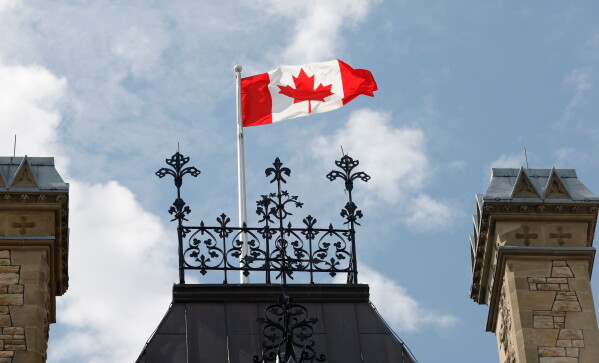
The trade relationship between the United States and Canada has faced significant challenges due to President Donald Trump’s aggressive tariff policies during his second term.
Trump imposed steep import taxes on Canadian goods and made controversial statements about Canada, exacerbating tensions. The back-and-forth tariff exchanges have created uncertainty for businesses and consumers on both sides of the border.
Escalation of Trade Disputes
Trump followed through on his threat to impose 50% tariffs on $20 billion worth of Canadian imports. This action took effect following failed negotiations, prompting Canada’s Prime Minister Mark Carney to introduce equivalent retaliatory tariffs.
January-March 2025:
On his return to office, Trump announced a 25% tariff on Canadian imports, citing a national emergency related to immigration and drug trafficking. Canadian Prime Minister Justin Trudeau responded with future countermeasures. Although these tariffs were delayed, limited tariffs began in March, targeting specific sectors such as automakers. Additional worldwide steel and aluminum tariffs also went into effect, with Canada reciprocating.
April-June 2025:
Trump expanded his tariff policies, affecting nearly all U.S. trading partners. Legal challenges arose over the emergency powers used to impose these tariffs. Canada responded with tariffs on non-compliant vehicles, and reciprocal metal tariffs. Negotiations stalled due to disagreements over tech firm taxation.
July-October 2025:
Heightened tariffs were applied on various Canadian goods starting in August. Canadian exemptions aligned with the USMCA pact, despite criticism. Trump continued imposing tariffs and ended rules for low-value imports. In late October, Carney aimed to boost non-U.S. exports, citing tariff impacts. Trade talks faced roadblocks due to disagreements over tariffs depicted in TV ads.
November 2025-February 2026:
Legal battles over tariffs reached the Supreme Court, which struck down emergency-imposed tariffs. Trump enacted a temporary global levy using different legislation. Canada pursued trade ties with China, opposing U.S. policies. Threats of higher tariffs loomed but were unrealized.
March-present day:
Renewal negotiations for the USMCA started in March, but obstacles remain. The U.S. isn’t ready for long-term renewal, leaving the pact intact until 2036. Trump threatened additional tariffs on Canadian goods, blaming discrimination against U.S. products. These levies began after last negotiation efforts failed. Carney matched the tariffs with Canadian retaliatory action.
 Austin Tice: A Search for Answers
 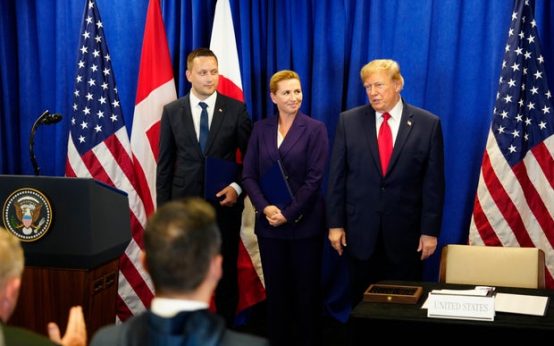 U.S., Denmark, and Greenland Forge New Security Agreement
 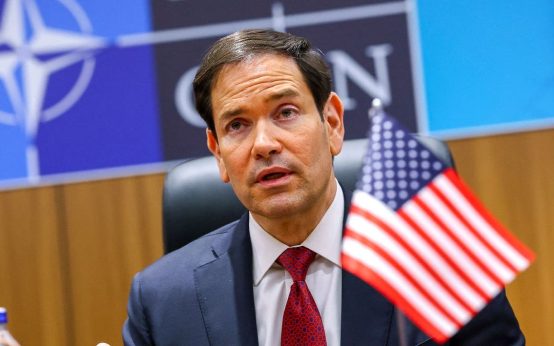 Secretary Rubio Discusses Middle East Conflict and NATO Relations
  Israeli Leader’s Upcoming U.N. Assembly Speech Marked by Controversy
  United States Secures Arctic Defense Pact
 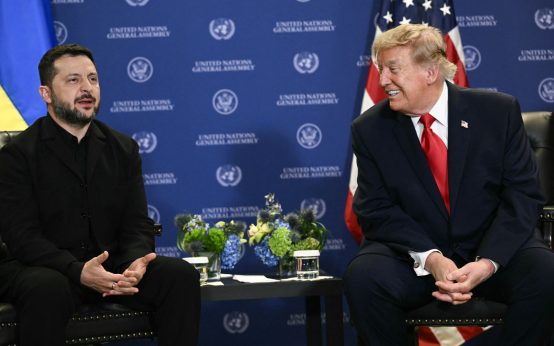 Trump’s Engagements at the UN: Focus on Ukraine and White House Developments