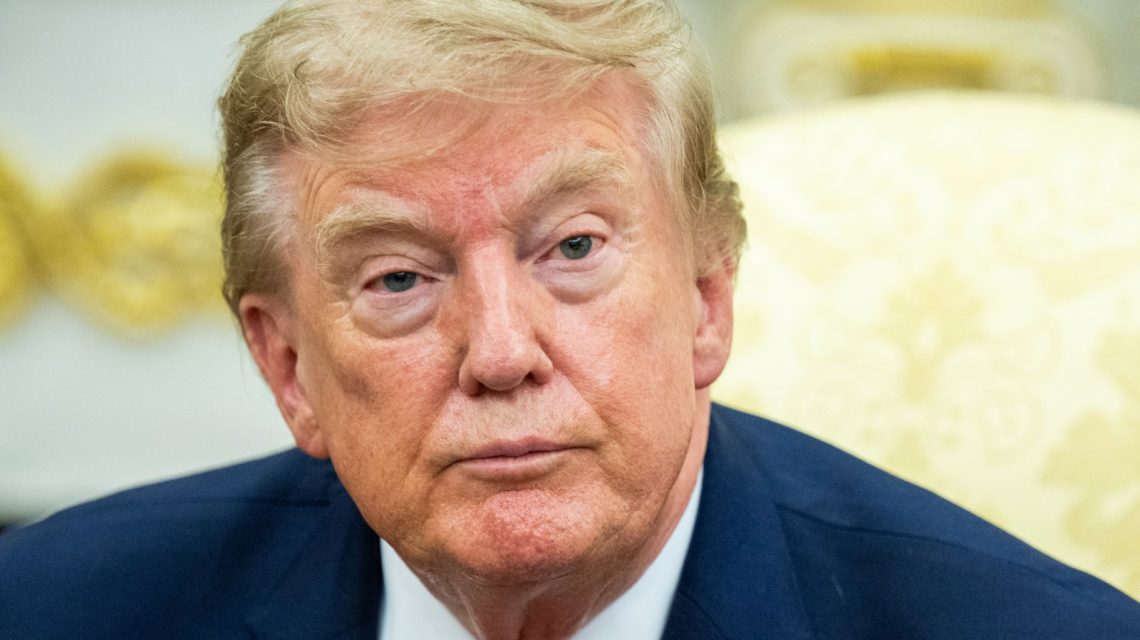
President Donald Trump’s recent executive order aims to limit birthright citizenship, a move with potential implications for the international surrogacy industry. The order, titled “Continuing to Protect the Meaning and Value of American Citizenship,” may affect thousands of overseas intended parents seeking surrogacy in the United States.
Implications of the Executive Order
The executive order instructs federal agencies not to recognize U.S. citizenship in certain cases involving foreign nationals. Specifically, it includes circumstances where children are born through commercial surrogacy when neither parent is a U.S. citizen. Around 30% of surrogacy births in the U.S. involve international parents.
This order follows the Supreme Court’s ruling in Trump v. Barbara, which struck down broader attempts to curb birthright citizenship. The order is now facing legal challenges, raising the possibility that it could also be overturned.
Impact on Surrogacy Arrangements
The United States remains a prime destination for international surrogacy, especially as other countries impose more restrictions. The order doesn’t ban surrogacy itself but attempts to block citizenship for children born this way. The measure aligns with broader administration efforts to prevent what they term “birth tourism,” where individuals come to the U.S. to secure citizenship benefits for their children.
Implementing this order could be challenging. According to Tsong Law Group, which specializes in assisted reproduction law, parentage orders are private, and birth certificates don’t specify surrogate births. Surrogacy advocates argue that international parents favor the U.S. for its legal protections and medical expertise rather than solely for citizenship.
Dipesh Patel, a clinical social worker, points out that many international parents opt for U.S. surrogacy because their home countries offer inadequate legal pathways to parenthood, particularly for LGBTQ+ individuals.
State-Level Reactions
If Trump’s order is blocked, states might individually restrict surrogacy with international parents. Alphonse Provinziano, a family law attorney, suggests that states could prevent clinics from serving non-citizens or eliminate surrogacy options for international parents altogether.
For example, states such as Louisiana, Nebraska, Kentucky, and Indiana already have strict or prohibitive surrogacy laws. New York, which permits surrogacy, requires at least one parent to be a U.S. citizen or a lawful resident.
Role of International Surrogacy in the U.S.
International surrogacy forms a significant segment of the U.S. fertility market. A study in Fertility and Sterility analyzed over 40,000 gestational carrier embryo transfers from 2014 to 2020. It showed 32% involved international parents, reflecting a trend driven by restrictive surrogacy laws abroad and favorable American legal conditions.
International intended parents often turn to the U.S. due to its clear legal frameworks and protections for parental rights. They are typically male, over 42, and more likely to use donor eggs and genetic testing.
Countries Engaging in U.S. Surrogacy
The Fertility and Sterility study highlights countries most involved in U.S. surrogacy. China’s share surpasses others at 41.7%, followed by France and Spain. China’s prominence is notable due to strict surrogacy laws at home.
While U.S. surrogacy is costly, ranging from $150,000 to over $250,000, it offers a legally secure option for prospective parents from restrictive countries.
If the executive order leads to its intended effects, it could complicate citizenship documentation for children of noncitizens, introducing uncertainty for these families. Eloise Drane, CEO of Family Inceptions, explains that intended parents often stay in the U.S. until their child’s birth certificate and passport are ready, a process that may become more difficult.
Ultimately, potential disruptions could most impact families from countries heavily relying on U.S. surrogacy, such as China, France, and Spain. Tsong Law Group advises matched parents that despite complications, bringing their child home remains possible, though some families may wait for potential injunctions against the order.
 Legal Battle and Legacy After Charlie Kirk’s Assassination
 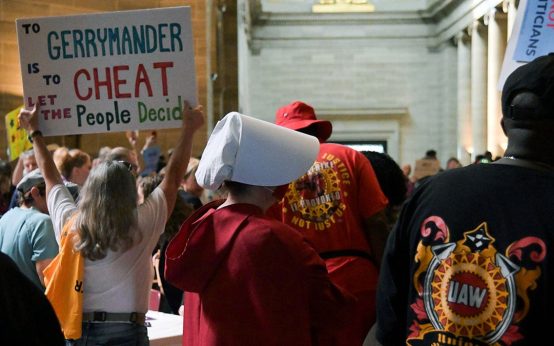 Missouri Judge Rules on Congressional Redistricting
 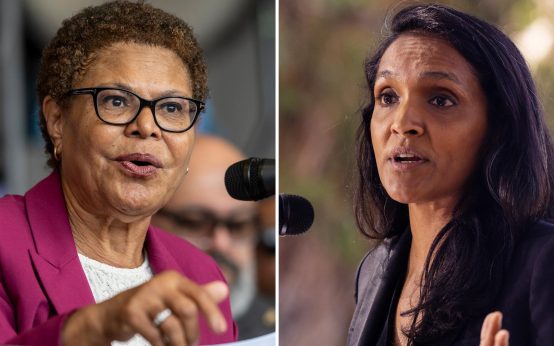 Bass and Raman Clash in L.A. Mayoral Debate
 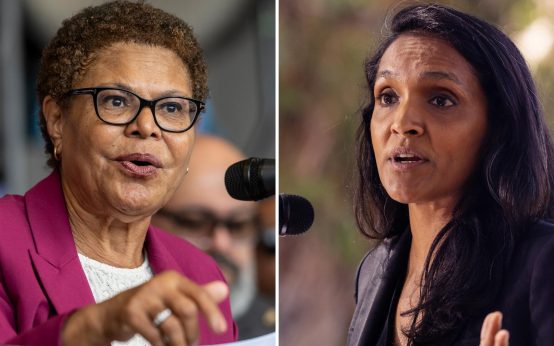 Bass and Raman Clash in Mayoral Debate, Address Key Issues
  Day of Action Planned Against Trump’s National Parks Agenda
  Darline Graham Offers Strong Perspective on National Security