Senate Proposal Aims to Extend Nutrition Assistance for Low-Income Mothers
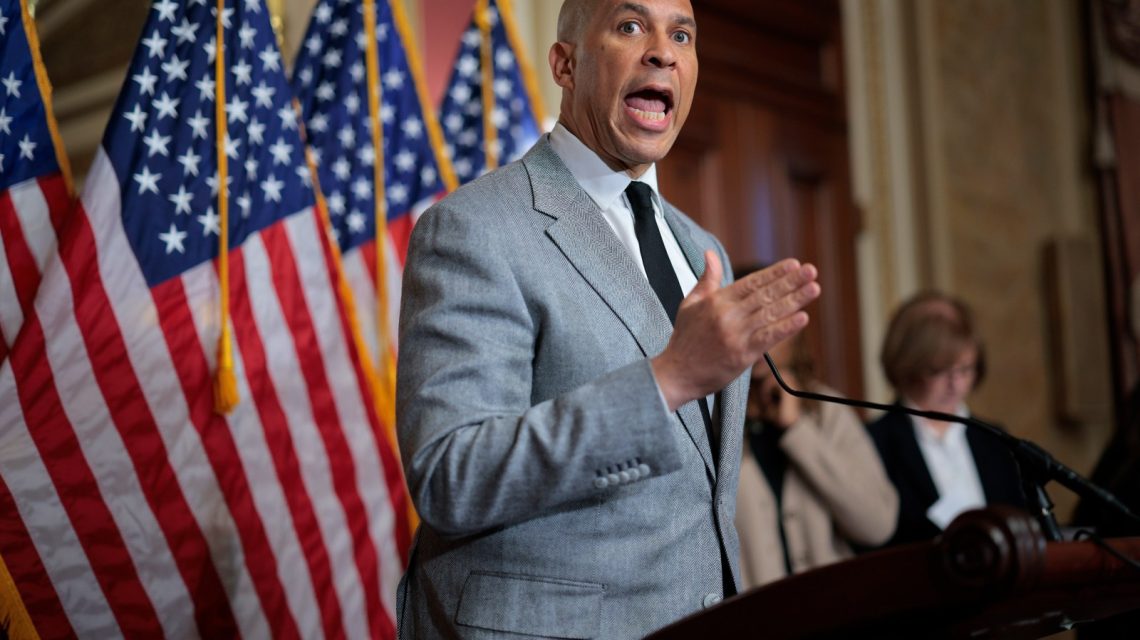
A new Senate proposal seeks to extend nutritional assistance for millions of low-income mothers after childbirth. The Momnibus Act, introduced on August 6 by Senator Cory Booker of New Jersey, with support from Democratic lawmakers, aims to address the U.S. maternal health crisis.
This comprehensive legislative package includes numerous maternal health initiatives. Among them are increased funding for maternity care for veterans and a $25 million grant dedicated to maternal mental health. A key provision is the expansion of the federal Special Supplemental Nutrition Program for Women, Infants, and Children (WIC).
Black mothers in America face high and unacceptable mortality rates, said Booker, the bill’s sponsor. The U.S. has the worst maternal mortality rates among high-income nations, and Black women are over three times more likely to die from pregnancy-related causes, he emphasized. These are often preventable deaths, calling for urgent action.
Changes to WIC Under the Proposed Legislation
The proposed changes would significantly extend the length of time postpartum women remain eligible for WIC benefits. Currently, non-breastfeeding postpartum women qualify for up to six months of benefits after giving birth. The legislation proposes extending this period to 24 months.
- Benefits available include $48 for fruits and vegetables, 64 oz of fruit or vegetable juice, 16 quarts of cow’s milk, 36 oz of breakfast cereal, 48 oz of whole grain options, 10 oz of canned fish, one dozen eggs, and a choice of legumes or peanut butter.
The bill likewise extends WIC eligibility for breastfeeding mothers from one year to 24 months. Benefits for breastfeeding mothers include $52 for fruits and vegetables, 64 oz of fruit or vegetable juice, 24 quarts of cow’s milk, 36 oz of breakfast cereal, 48 oz of whole grain options, 20 oz of canned fish, two dozen eggs, and options for legumes or peanut butter.
This extension means mothers can access nutritional support, counseling, and other WIC services through the first two years of their child’s life. The legislation mandates a report from the Secretary of Health and Human Services to Congress on the expansion’s effects on maternal and infant health, breastfeeding rates, racial disparities, and family experiences with WIC two years post-enactment.
Details of Infant Formula Assistance
WIC also assists families with infant formula when necessary, due to medical needs or parental choice. Assistance varies based on whether families partially or fully formula-feed their babies.
- Partially formula-fed infants can receive up to 364 ounces for the first three months and up to 442 ounces for months four and five.
- Fully formula-fed infants can receive up to 806 ounces for the first three months and up to 884 ounces for months four and five.
WIC covers specific, state-approved formulas like Enfamil and Similac. Special formulas are available for infants with medical conditions.
Eligibility for WIC
WIC serves pregnant women, postpartum women, breastfeeding women, infants, and children under five. Eligibility is based on income, with most states allowing households at or below 185% of the federal poverty level. Those participating in Medicaid, SNAP, or TANF typically meet income requirements automatically.
Despite eligibility, many eligible families do not use WIC. Over 50% of SNAP and Medicaid participants qualifying for WIC do not partake, per the USDA.
Difference Between WIC and SNAP
While both WIC and SNAP are federal nutrition programs, their goals and offerings differ. SNAP covers a wide range of groceries for eligible households based on income. WIC targets maternal and child nutrition needs through specific food packages and support services, including nutrition education and healthcare referrals.
Many families benefit from both programs simultaneously, with significant overlap among low-income recipients.
The Momnibus Act has 28 co-sponsors, including Bernie Sanders, an independent from Vermont. To advance the bill, Booker will need bipartisan support.
 Tamara Keith and Amy Walter Discuss Key Primary Races
  National Debt Poised to Reach Record $40 Trillion
  Rosie O’Donnell’s Guest-Hosting Debut on ‘Jimmy Kimmel Live’
  Justice Department to Deploy Record Number of Poll Monitors
  Debate Over Illinois School Funding Intensifies
  Trump’s Decision on Military Exercises with South Korea Sparks Concern