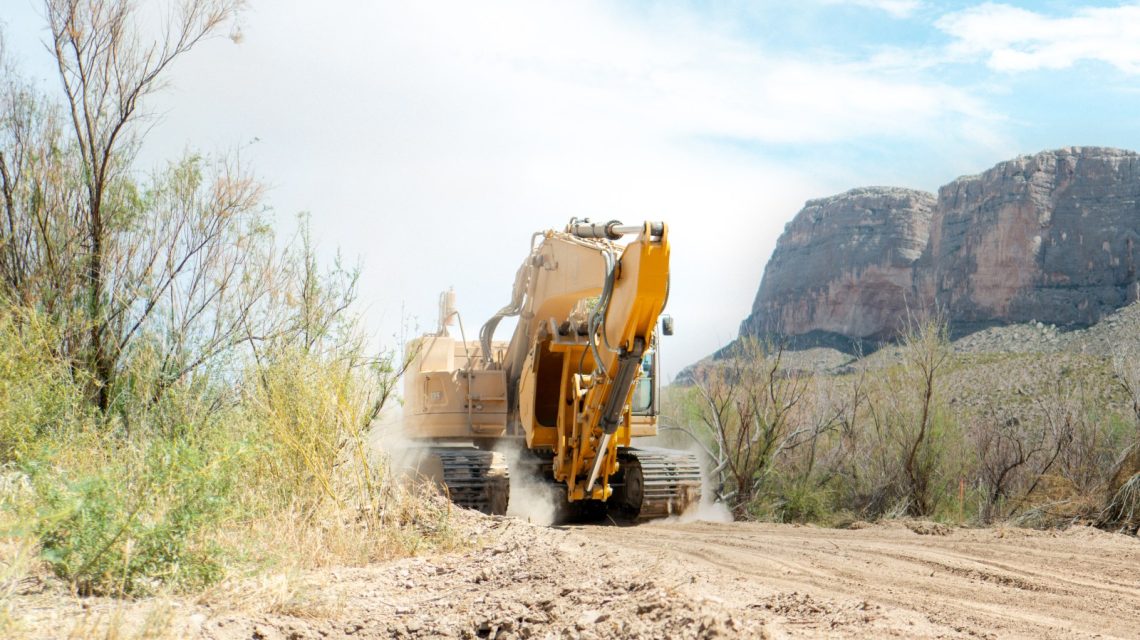
The Trump administration paused construction on a controversial border-security project within Texas’ Big Bend National Park. This decision came after increasing criticism from environmental groups, tribal advocates, local residents, and lawmakers.
U.S. Customs and Border Protection (CBP) Commissioner Rodney Scott announced that construction in the park would stop while he conducts a personal review and meets with local stakeholders. Scott expressed his intention to evaluate the area and gather input from local law enforcement and other stakeholders.
“Last night, I put a pause on all activity in that park as far as construction goes until I can get down there and do a personal evaluation, talk to some stakeholders, talk to local law enforcement in that area,” Scott stated in a video.
Local tour guide Mike Davidson emphasized the lack of public input regarding the project. He expressed cautious optimism regarding the pause but noted apprehensions about potential changes. Images have shown caravans of vehicles and machinery on their way to staging areas despite the halt.
The controversy centers around the potential environmental and cultural damage from roads, barriers, and surveillance infrastructure within the park. Critics worry these could harm sensitive desert landscapes, wildlife habitats, and significant cultural sites.
Sara Ryza of the Big Bend Tourism Alliance stated that although any construction pause is welcomed, the ongoing project threatens the region’s tourism economy until it is entirely canceled. Concerns include the potential vacation deterrent of a construction zone and the lasting impact on Big Bend’s natural beauty.
Why It Matters
Covering over 800,000 acres along the U.S.-Mexico border, Big Bend is seen as one of the nation’s most remote and significant protected ecological areas. The dispute highlights the Trump administration’s efforts to expand border infrastructure amidst resistance from conservation groups, tribal organizations, and tourism advocates.
The uproar gained national attention when images surfaced showing bulldozers within the park. Tribal and environmental groups have since pursued legal action to stop the project, questioning the extent of the government’s construction plans in the area.
What Was Being Built?
The debate frequently highlights a misinterpretation that a border wall was being constructed through the national park. However, officials clarified that the activities involved building a new access road, enhancing existing roads, installing detection technology, and placing vehicle barriers strategically.
According to Scott, these improvements aim to help Border Patrol agents detect illegal crossings more efficiently, respond faster in emergencies, and secure the remote southern border area.
Federal officials stated the project is part of a wider border-security strategy extending beyond the national park. Bryan Devonshire, a local business owner, expressed relief about the temporary halt, voicing concerns about the impact on native habitats.
Why Critics Are Alarmed
Despite assurances from the Trump administration, fears about environmental damage remain strong among critics. They argue that even road construction and barriers could drastically change the park’s landscape.
Mariscal Mountain, a limestone ridge overlooking the Rio Grande, is particularly controversial. The Center for Biological Diversity warned that constructing roads across the mountain would require extensive blasting, posing threats to this treasured area.
Lawmakers also questioned whether building work could harm ecosystems, archaeological resources, and wildlife habitats. Former wildlife biologist Raymond Skiles emphasized the importance of preserving peregrine falcon nesting areas against disturbances.
The growing opposition has united diverse groups, including environmental advocates, tourism interests, former National Park Service officials, tribal groups, and some Texas policymakers.
Lawsuit Seeks to Stop Project
The controversy escalated with a federal lawsuit aiming to halt the project. The People of La Junta for Preservation, alongside the Lipan Apache community, initiated the suit, asserting construction threatens archaeological, ancestral, and culturally significant areas.
Plaintiffs argued that damage to these resources is irreparable and that construction could interfere with religious practices linked to the Rio Grande and Big Bend landscape.
Another complaint by Far Flung Outdoor Center, a local recreation business, claims infrastructure such as roads and lighting might affect visitor experiences and hurt tourism in the area.
Border Security Versus Conservation
Proponents assert enhancements are necessary due to shifting smuggling routes and vulnerabilities along the border. The Trump administration highlights migrant encounters and drug seizures as justification for infrastructure expansion in the Big Bend Sector.
However, critics note a decline in unlawful crossings since Trump’s second term. CBP data indicated a significant drop in migrant encounters between the first nine months of fiscal year 2026 compared to 2023.
The decision to visit the region was welcomed by local law enforcement, with Terrell County Sheriff Thaddeus Cleveland noting his longstanding encouragement for Scott to evaluate the area directly.
Cleveland questioned the necessity of constructing a road near Mariscal Canyon due to its terrain, expressing the belief that technology could secure the area without extensive construction.
What Happens Next
Scott’s announcement does not equate to project cancellation. It reflects a temporary pause while the CBP commissioner assesses the situation by engaging with local leaders and stakeholders. Additional information may be provided following Scott’s visit.
For now, construction within Big Bend National Park awaits further directions, with questions about the project’s environmental, legal, and political implications persisting.
 Exploring Orange County’s Anti-Mexican Political History
  Search Underway for Missing Aircraft Near Nantucket
  Tennessee Prison Chief Resigns After Failed Execution
  Revelations in Thomas Crooks’ Assassination Attempt on Donald Trump
  Challenges in Prosecuting Assault Cases Involving Alcohol or Drugs
  Extended Heatwave Expected in Los Angeles with Temperatures Approaching 100 Degrees