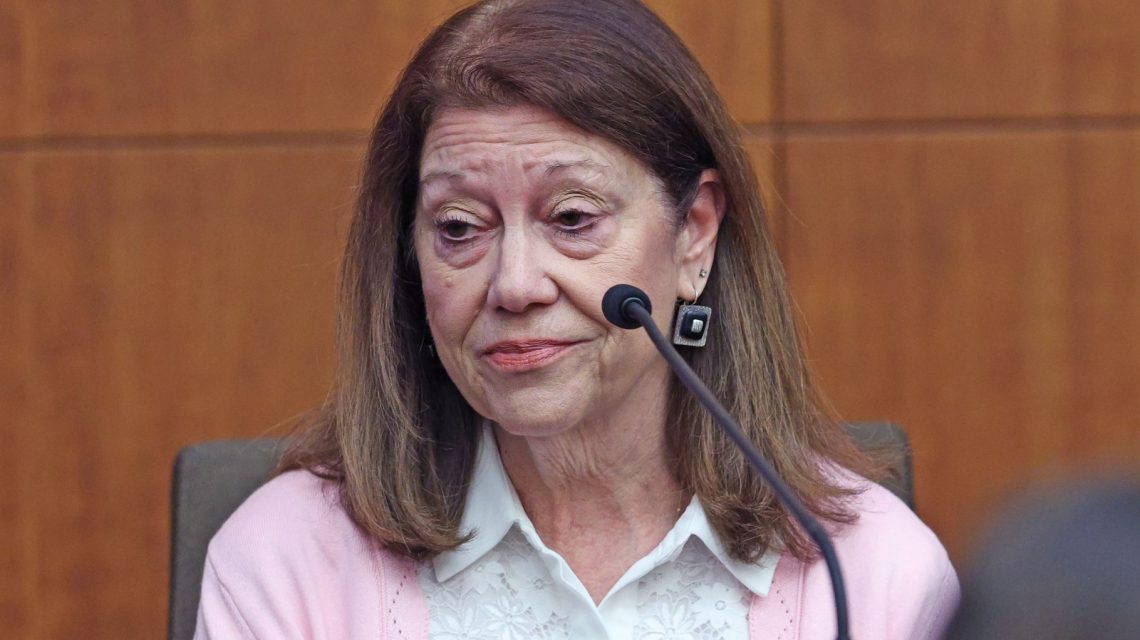
After listening to over 70 witnesses and three weeks of testimony, prosecutors concluded their case in the Lindsay Clancy murder trial. This marks a significant moment in the emotionally intense proceedings. The final witness for the prosecution was digital-forensics expert Ian Whiffin, who contributed evidence until about 11:20 a.m. The case presented by prosecutors included testimony from Clancy’s husband, first responders, medical examiners, friends, former colleagues, and mental health professionals. The defense also began presenting its argument.
Defense Strategy
Kevin Reddington, Clancy’s attorney, acknowledges that Lindsay is responsible for the deaths of her three children, Cora, Dawson, and Callan. The defense argues that Lindsay was suffering from severe mental illness, including postpartum psychosis and bipolar disorder. Consequently, they claim she should not be held criminally responsible.
Significant Testimonies
Monday’s session included compelling evidence supporting this position with testimonies from Clancy’s mother and sister. However, prosecutors challenged potential weaknesses in the defense’s narrative.
Lindsay’s Mother’s Testimony
Lindsay admitted to having thoughts about harming her children.
Lindsay’s mother, Paula Musgrove, testified that Lindsay had approached her and her husband in a state of distress, admitting she had disturbing thoughts about harming her children. Musgrove emphasized Lindsay did not have any plan to act on these thoughts. This remark is critical for the defense, as it suggests a serious psychological issue preceding the events.
This testimony is pivotal for the jury. The defense aims to portray it as a sign of an escalating psychiatric condition. Conversely, prosecutors stress that Lindsay distinguished between having thoughts and intending harm, noting that no immediate danger was perceived by the family.
Lindsay’s Sister’s Observations
Allison Ozga, Lindsay’s sister, confirmed that Lindsay showed noticeable mood changes and experienced daily suicidal thoughts for about a month during late 2022. Despite these admissions, Ozga did not believe her sister posed a threat to herself or her children.
Prosecutors used this information to underline inconsistencies. They highlighted that Ozga reported improvements in Lindsay’s condition after psychiatric treatment, suggesting that Lindsay could understand and interact normally at certain times. The defense refutes this, pointing to ongoing suicidal ideation.
Digital Evidence and Searches
Prosecutors revealed that just five days before the incident, Lindsay Clancy searched for information on postpartum psychosis on her device. This is crucial because the insanity defense relies on this diagnosis. The defense argues this indicates Lindsay’s awareness of her mental health decline, supporting their case of severe psychosis.
Whiffin presented further data from Lindsay’s devices showing activity around the time of the events. Although the data establishes a timeline, there are gaps that the defense might exploit.
Mental Health and Medication
Musgrove testified about Lindsay’s struggle with psychiatric medications, stating she felt they were detrimental to her mental state. This supports the defense’s argument of a severe combined mental health crisis and inadequate treatment.
Prosecution’s Challenge
Prosecutors questioned Musgrove on her lack of concern for immediate danger to the children, offering a contradiction to the defense’s claims. Musgrove asserted there was no sense of immediate harm since she was present, reinforcing the prosecution’s narrative.
Support Outside the Courtroom
Meanwhile, outside court, a GoFundMe campaign for Lindsay’s parents, who have financially supported their daughter, surpassed $800,000 of its $2 million goal. The campaign illustrates public sympathy and significance surrounding the case.
Next Steps
The defense will continue with more testimonies, including those from mental health experts, to substantiate Lindsay’s mental condition claims. The prosecution might call rebuttal witnesses. After both sides complete their cases, closing arguments will precede the jury’s deliberations. If Lindsay is convicted, she faces life imprisonment without parole. If the jury rules her not criminally responsible due to mental illness, she may be committed to a mental health institution under Massachusetts law.
 Former Olympian Cleared of Charges Seeks Investigation into DOJ’s Case Handling
  Call for Investigation into Olympian David Hearn’s Arrest and Prosecution
  Supreme Court to Decide on Veterans’ Right to Challenge Benefits Laws
  California Realtor Arrested for Alleged Unregistered Activities for China
  Failed Execution in Tennessee Sparks Controversy
  Legal Battles Between Halle Berry and Olivier Martinez