
Current U.S. policies targeting immigrant populations raise significant concerns about economic and humanitarian effects. The revocation of Temporary Protected Status (TPS) for over 300,000 Haitian immigrants, along with approximately 50,000 from other countries, presents a critical challenge. These individuals have been residing lawfully in the United States, contributing to the workforce and economy.
The Supreme Court’s recent decision allows the government to revoke work permits and initiate deportations. This action reversed a lower court ruling, which suggested racial motives were partially behind the TPS curtailment. Consequently, layoffs have begun, impacting Haitian workers stripped of TPS protection.
President Trump’s rhetoric has often demonized unauthorized immigrants, labeling their presence as an invasion. Despite claiming ignorance of historical parallels, his language echoes infamous rhetoric used in the past. Misinformation about immigrants proliferates, suggesting they pose a security risk, contrary to research from Northwestern University that indicates immigrants are less likely than native-born citizens to commit crimes.
The TPS program originated with bipartisan support and was enacted by President George H.W. Bush in 1990. It was designed to shield individuals from deportation to countries plagued by violence or natural disasters. Advocacy groups, including the U.S. Chamber of Commerce, urge the continuation of TPS to bolster the workforce and avert humanitarian crises.
Many immigrants under TPS have integrated into American life, contributing through labor-intensive roles that are challenging for employers to fill with domestic workers. Their presence impacts hundreds of thousands of U.S. citizens, including children and adults who could face familial separations should deportations proceed. Without these vital workers, sectors like agriculture, manufacturing, and healthcare may suffer, leading to increased consumer costs, employment losses, and a worsened housing shortfall.
The decision to rescind TPS lacks a rational economical basis, seemingly rooted in racial bias. African nations see significant impact, with immigrants from countries like Haiti, Ethiopia, Somalia, and South Sudan losing status, aligning with Trump’s past derogatory remarks about “s—hole countries.” Such sentiments prioritize predominantly white immigration over diversity.
The stark reduction in refugee admissions under Trump was particularly telling, with most new refugees hailing from South Africa, a country falsely described as persecuting whites. The reduction conflicts with America’s historical embrace of diversity as strength, famously embodied by the Statue of Liberty’s plaque, inviting those seeking freedom and opportunity.
The contradiction of Trump’s “Make America Great Again” mantra lies in the rejection of immigration, integral to national success. A. Scott Bolden, an attorney and political contributor, highlights these troubling developments, underscoring the importance of inclusive policies for America’s prosperity.
 Opposition to Border Infrastructure in West Texas Raises Concerns
 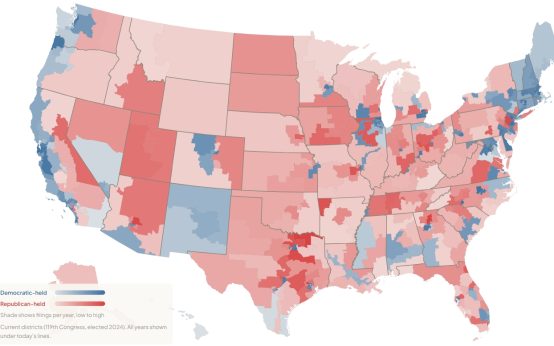 H-1B Labor Filings: Analysis Highlights Congressional District Disparities
 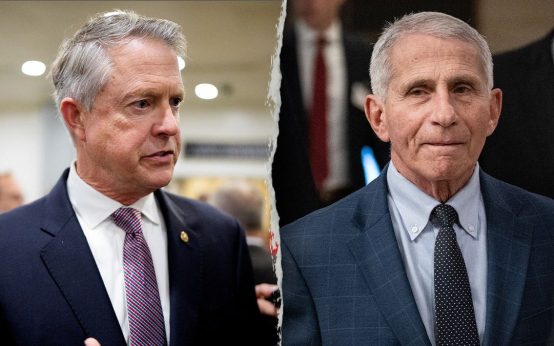 Senator Marshall Criticizes Fauci Over Vaccine Concerns
 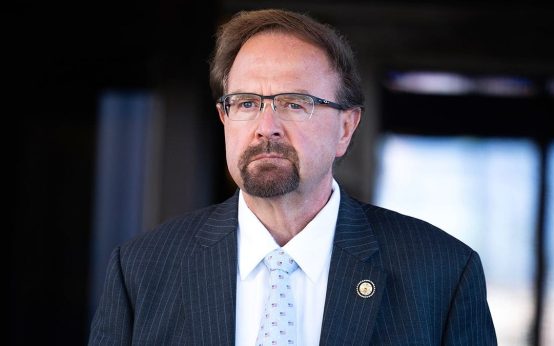 Jennifer Balkcom Named GOP Nominee for North Carolina’s 11th District
  Justice Department Opinion on Executive Privilege for Private Advisers
 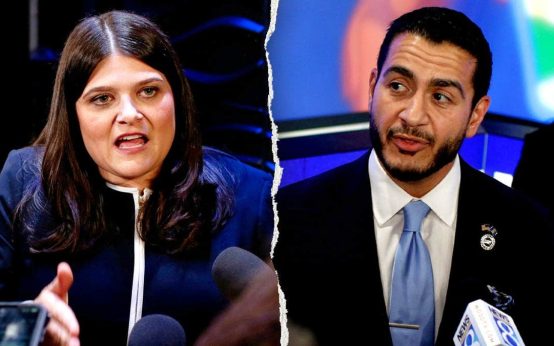 Haley Stevens Supports Abdul El-Sayed After Primary Loss in Michigan