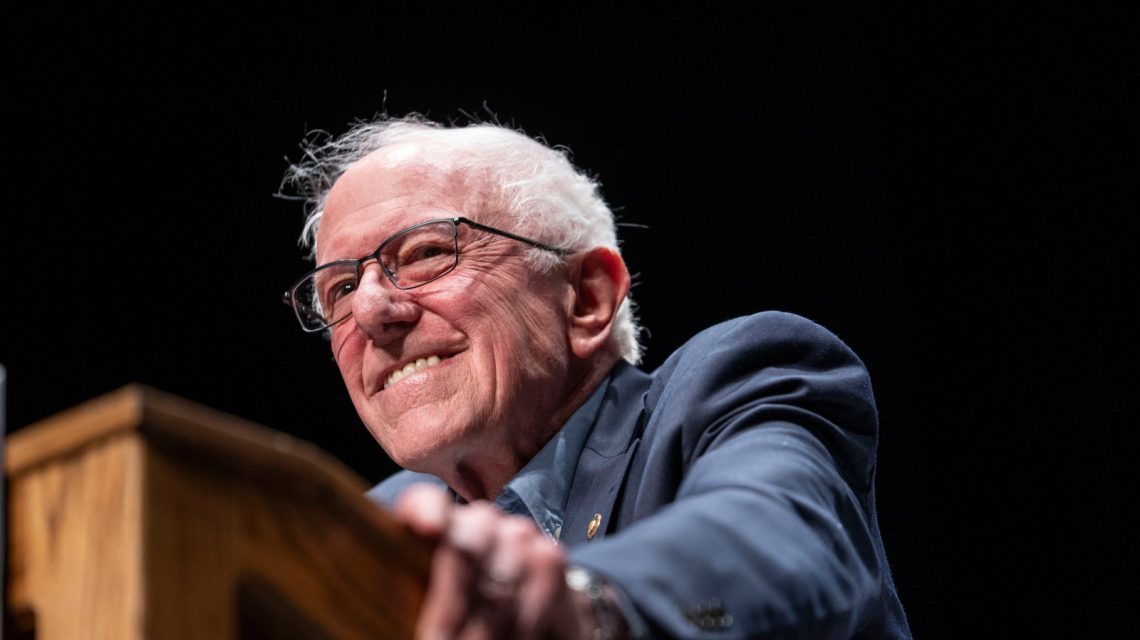
Vermont Senator Bernie Sanders, known for his independent stance while aligning with Democrats, is advocating for his key healthcare proposal, Medicare for All. This renewed push is bolstered by recent research findings. As the ranking member of the Senate Health, Education, Labor, and Pensions Committee, Sanders responded to Yale University researchers who published a study predicting that Medicare for All could potentially save 114,000 lives annually and reduce national healthcare expenditure by over $1 trillion each year.
In Sanders’ words, “This study confirms what we have known for years: Medicare for All saves lives and saves money.” He noted that this approach would cost significantly less than the current, inefficient system.
Resurgence of Medicare for All in the Democratic Party
The renewed interest in Medicare for All is mainly driven by Democratic Socialists of America (DSA)-linked and progressive candidates who have integrated the policy into their successful primary campaigns. After recent Democratic primary victories, Sanders and progressive candidates have gained momentum to advocate more vigorously for Medicare for All, which is among the core goals of the DSA.
Notable political figures like New York City Mayor Zohran Mamdani campaigned for three progressive congressional candidates who triumphed in their primaries. Additionally, in Colorado, Melat Kiros defeated Representative Diana DeGette, while Michigan’s progressive candidate Abdul El-Sayed won over Representative Haley Stevens. Both candidates campaigned heavily on the Medicare for All platform.
In Maine, the progressive populist, Troy Jackson, is also centering his Senate campaign against Republican Susan Collins on Medicare for All. Despite Sanders introducing various versions of the Medicare for All bill over the years, none have progressed beyond committees.
Key Findings from the Yale Study
The Yale study, led by epidemiologist Alison Galvani, points out that Medicare for All would slash total U.S. healthcare spending by nearly 20 percent. Savings would come from streamlined drug pricing, reduced administrative costs, decreased fraudulent billing, and fairer provider reimbursements.
The researchers estimate the plan could prevent 114,000 deaths annually, including more than 33,000 uninsured Americans and over 20,000 due to coverage cuts enabled by Republican legislation. A prior Galvani-led study in 2020 suggested nearly 68,000 lives and $450 billion could be saved annually.
However, not all studies agree. A notable 2018 analysis by Charles Blahous from the Mercatus Center at George Mason University, funded by interests tied to the Koch family, argued that Sanders’ plan would hike federal health expenditures by $32.6 trillion over ten years. Sanders’ office criticized these findings as misleading. According to the study, national health spending would potentially decrease by approximately $2 trillion over ten years, even as federal spending surged.
Polling Insights on Medicare for All
Polling data reveals a growing majority support for government involvement in healthcare. A Gallup poll from November 2025 indicated that 64 percent of U.S. adults believe the government should ensure healthcare coverage, marking the highest levels since 2007. Similarly, Pew Research Center found that 66 percent of adults shared this view, with an increase influenced mainly by Republicans.
A Data for Progress survey, conducted in November 2025, showed that 65 percent of likely voters back a Medicare for All system, replacing most private insurance. Support was notably strong among Democrats at 78 percent, independents at 71 percent, and Republicans at 49 percent, despite concerns over higher taxes and expanded government reach.
However, views change significantly with phrasing. A 2026 survey by Tavern Research for the Searchlight Institute found less enthusiasm for Medicare for All when framed as replacing private insurance through increased taxes. This highlights a preference for keeping existing plans if possible.
Sanders argues that international examples disprove doubts about the feasibility of Medicare for All. He states, “If every major country on earth can guarantee healthcare to all and achieve better health outcomes, while spending substantially less per capita than we do, it is absurd for anyone to suggest that the United States cannot do the same.”
For feedback and comments on this story, contact Newsweek editors Jason Lemon and Edward T. Cummins.
 Rise of Drug-Resistant Fungus Candida auris in the U.S.
  Trump’s Focus on Construction Projects During His Presidency
  Growing Divide in Presidential Approval Ratings
  Iran’s Leadership Shift Indicates Rising Tensions with Trump Administration
  Medicaid’s Role in Pediatric Healthcare
  Socialist Movement Challenges Wisconsin Democratic Primary