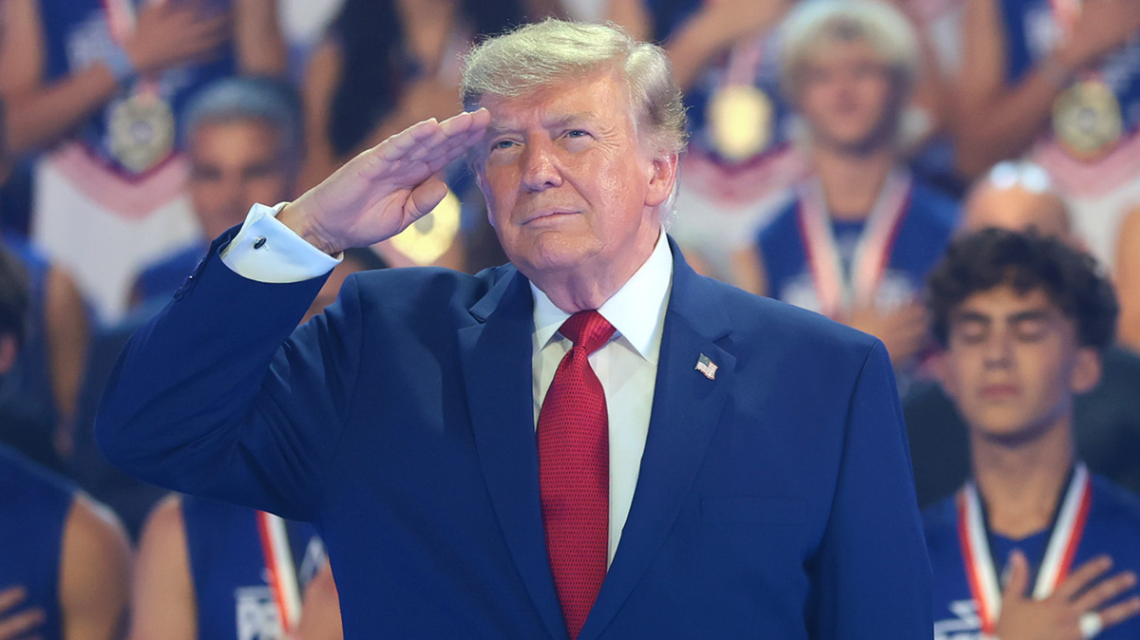
President Donald Trump dismissed questions about running for a third term in 2028, emphasizing the strength of the law preventing such a move. Speaking at Joint Base Andrews in Maryland, Trump stated, “Everybody asks me that question, and you know that the law is very strong on that. I’d love to run, but the law is very strong.” He noted that even at the Patriot Games event they shouted about 2028, but reiterated, “the law is very strong.”
The 22nd Amendment of the U.S. Constitution prevents anyone from being elected to the presidency more than twice. This amendment was ratified in 1951, after Franklin D. Roosevelt served four terms, setting a unique precedent. Before this, it was the norm for presidents to serve only two terms, as established by George Washington.
Throughout Trump’s second term, he has alternated between humor and potential seriousness regarding a third term. At the White House Correspondent’s Dinner on July 24, he joked, “Just like my presidency, the second time is always better. It’s always better. And the third time will be better yet. I’m only kidding.”
In a March 2025 interview with NBC’s Kristen Welker, Trump was more explicit, denying that he was joking about seeking another term. He proposed a scenario where Vice President JD Vance could run for president with Trump as his vice president. Vance could then resign, potentially allowing Trump to become president again, bypassing the 22nd Amendment.
However, most constitutional scholars argue against this possibility. Deborah Pearlstein, a law professor at Princeton University, told The Washington Post that the 12th Amendment prevents this strategy. The amendment specifies that “no person constitutionally ineligible to the office of President shall be eligible to that of Vice-President of the United States.”
James Cirrone, a writer for Fox News Digital’s Breaking/Trending News team, reported this story. Tips can be sent to [email protected].
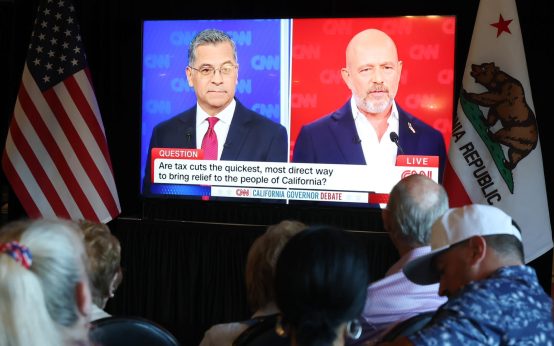 California Gubernatorial Debate: Becerra vs. Hilton
 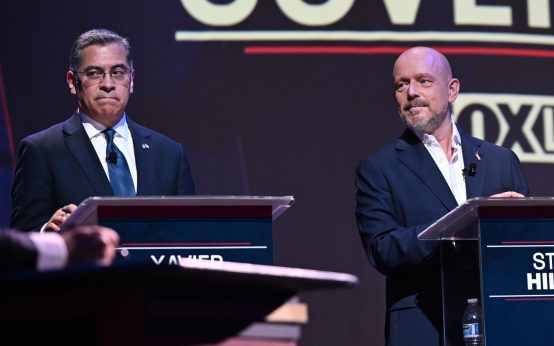 California Gubernatorial Debate: Becerra vs. Hilton
 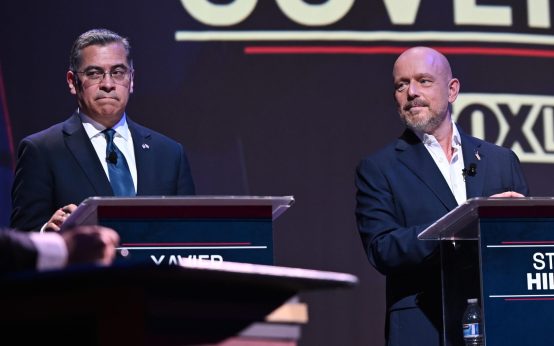 California Gubernatorial Debate: Becerra vs. Hilton
 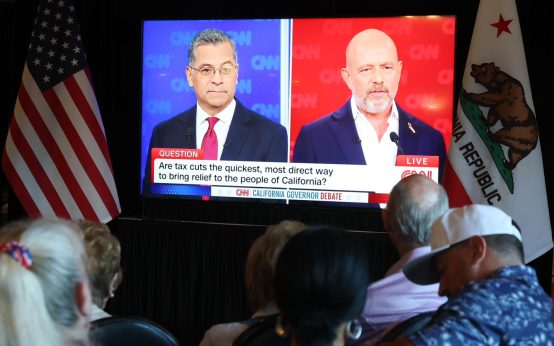 Key Moments and Insights from the Becerra-Hilton Gubernatorial Debate
 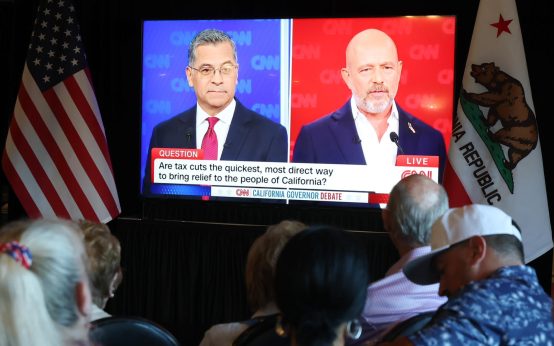 Becerra and Hilton Clash Over California’s Future in Heated Debate
  Keith Sonderling Confirmed as Labor Secretary