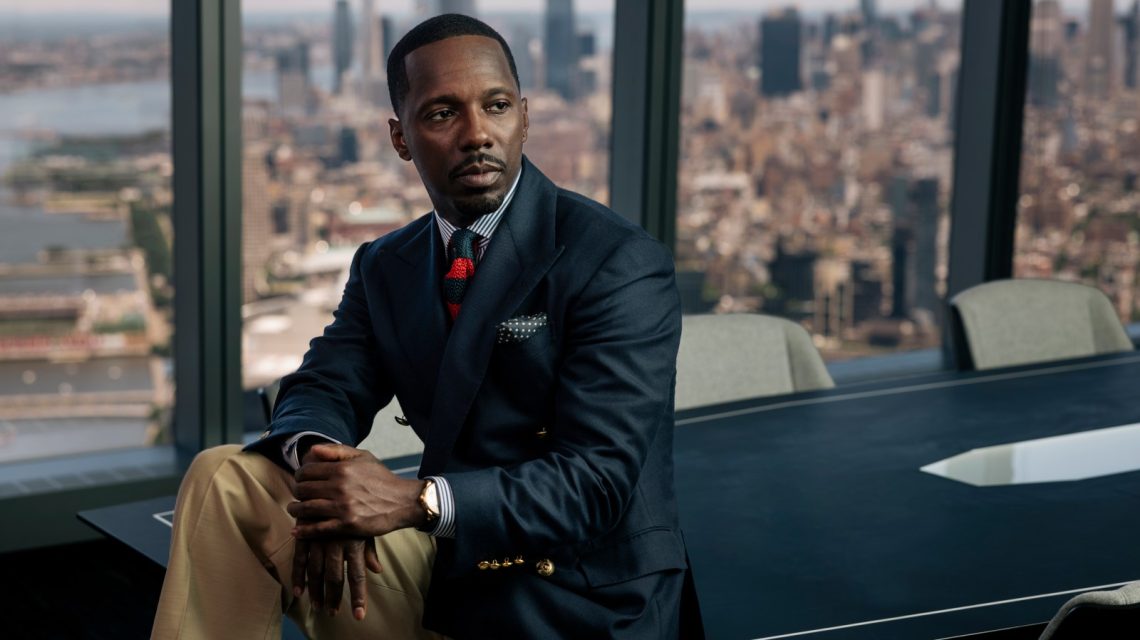
Rich Paul, a pivotal figure in the sports management world, recognized the value of strategic foresight early in his career. Presented with a $15 million sponsorship opportunity, most would eagerly sign; however, Paul perceived a better path. As he explained in Newsweek’s headquarters, “Anybody could do a deal. Not the right deal, but you can do a deal.” This insight led him and NBA player LeBron James to decline an offer from McDonald’s, opting instead for a $1 million investment in Blaze Pizza. A move that transformed into a stake now worth over $30 million.
Rich Paul’s foresight extends beyond financial acumen; it encompasses the empowerment of athletes. His approach to agency work exemplifies this, ensuring players like LeBron James receive equity in business ventures. James, the first active billionaire NBA player, exemplifies the result of such strategic thinking. Paul and James first met at Akron-Canton Airport in 2002, bonding over a vintage jersey. Their friendship evolved into a business partnership, with Paul becoming James’ agent in 2012. Over the years, he has guided James through a transformative decade with the Cleveland Cavaliers.
Critics of Paul often attribute his success to his association with James, suggesting his influence stems solely from this connection. Yet, Paul countered these claims by founding Klutch Sports Group in 2012. His vision was clear: the agency should thrive beyond any single athlete. Now, with the agency representing over 700 athletes across various sports, his concept has proven its worth. Klutch Sports Group has become a significant entity in the industry, highlighted by its acquisitions and expansions.
“When thinking about the name [Klutch], the idea was just that. I didn’t want to be dependent on just one thing.” – Rich Paul
The agency’s growth includes acquiring Rep 1, a baseball agency, in 2023, and forming a strategic partnership with the Munich-based soccer agency ROOF. These moves solidified Klutch’s influence across sports while representing notable players like Folarin Balogun, Anthony Davis, and Jalen Hurts.
Paul’s agency has pushed athletes towards lasting commercial identities. Draymond Green, a renowned NBA champion, praised Paul’s approach and noted, “Most agents treat athletes as if the athlete works for them.” Paul’s impact extends to strategic business connections with firms like Publicis Media, where his methodical and insightful approach impressed industry leaders.
Beyond Representation
Rich Paul’s vision transcends athlete representation. By launching Klutch Athletics with New Balance in 2019, he extended the brand’s reach to younger athletes. His involvement with United Talent Agency, where he became head of sports, underscores his broadening influence. This transition from basketball to multiple sports exemplifies his philosophy.
Fundamentally, Paul’s approach centers on understanding and knowing his clients. He believes in supporting athletes by understanding their backgrounds before structuring any deal. His autobiography, “Lucky Me: A Memoir of Changing the Odds,” shares this narrative, with LeBron James writing the foreword. It highlights how their shared experiences shaped their approach to business and life.
Paul’s strategy emphasizes athletes as individuals first, rather than mere assets. This innovative model has redefined industry norms. By emphasizing relationships over transactions, he creates enduring partnerships with clients, building sustainable personal and professional brands.
The Legacy and Its Reach
Paul pioneers what some label ‘player empowerment.’ He models client relationships after Michael Jordan’s enduring Nike partnership. LeBron James, for example, benefitted from similar strategic investments, such as his equity in Beats by Dre, which brought significant returns.
Rich Paul downplays accolades about sports victories, focusing instead on the relationships he builds. As Andrea Geurin from NYU notes, “Every decision he makes seems to be done with the athlete’s well-being at the heart of it.” His approach articulated an athlete-driven agenda, emphasizing personal brand management and strategic partnerships. Teaching clients about financial prudence post-career reflects this ethos.
Paul tackles industry challenges actively. When the NCAA attempted to exclude him with a proposed rule requiring agents to have a degree, the backlash was swift. Dubbed the “Rich Paul Rule,” it forced the NCAA to retract the restriction, illustrating his influence on norms and regulations.
Despite facing criticism for disrupting traditional structures, Paul remains steadfast. He persists regardless of detractors, having reshaped an industry not ready for someone like him. His work continues to impact athletes, emphasizing that the journey is equally significant as the destination itself.
 Historic Sale of the Los Angeles Lakers
  Rogan O’Neil Returns Stronger for Kaneland Knights
  Lolo Jones Faces Challenges with Team USA Medical Support
 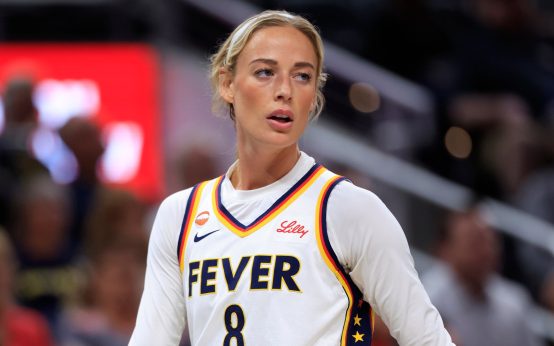 Indiana Fever Triumph Over New York Liberty, Push for Playoffs
 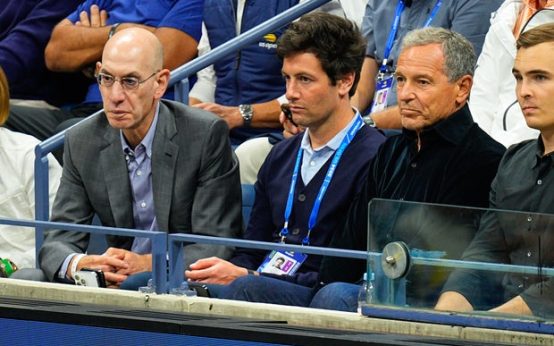 Los Angeles Lakers Sold to New Ownership for Record-Breaking Fee
  Lakers Sold to Josh Kushner and Bob Iger for Record Price