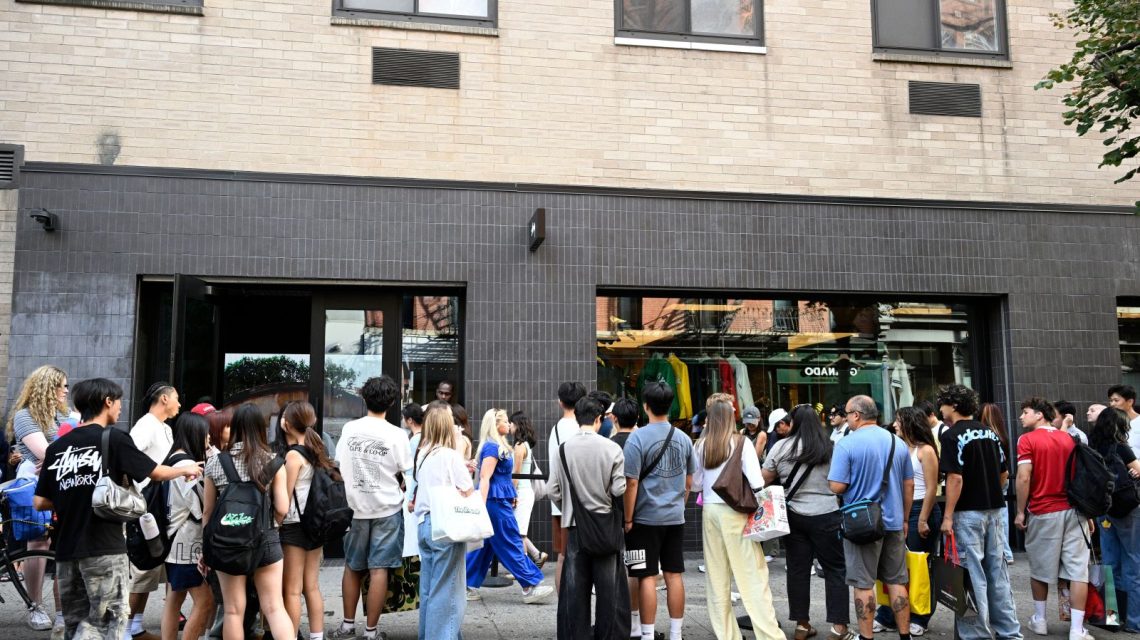
Gen Z, born between 1997 and 2012, faces unique challenges in balancing saving and spending. A recent survey showed that 95 percent of Americans believe the country is experiencing an affordability crisis, impacting financial decisions across generations. Despite this, Gen Z is delaying savings for homes and major milestones, while still engaging in consumer spending.
The Bank of America Institute reports that Gen Z has the lowest savings-to-spending ratio among generations, spending more than they save monthly. Payment data reveals that spending on items like coffee, beauty products, and travel has increased, as Gen Z embraces the ‘little treat economy’ for immediate satisfaction. This trend spans across all income groups within Gen Z, differing from the economic divides seen elsewhere.
Savings Goals and Spending Habits
Despite affordability pressures, Gen Z aims to save. Of those surveyed, 66 percent now save in some manner, up from 60 percent in 2024. Around 36 percent set aside leftovers into savings, 22 percent contribute to a 401(k), and 21 percent use automatic deposits from paychecks to savings accounts every month.
Gen Z also embraces ‘loud budgeting’ to openly state financial goals and limits, with 42 percent practicing this approach. Bank of America’s 2026 Workplace Benefits Report notes that Gen Z is starting retirement savings about ten years earlier than baby boomers, boosting their retirement confidence by approximately 5 percent.
Managing Affordability Challenges
Since March 2025, discretionary spending among Gen Z households has steadily increased, indicating that affordability issues have not deterred them from luxury purchases. However, 42 percent of Gen Z report living paycheck to paycheck, rising to 73 percent for those earning below $50,000 annually.
A survey by Simon-Kucher in June found 51 percent of Gen Z willing to prioritize current living conditions over long-term goals like home savings. This contrasts with 22 percent of baby boomers, although millennials show similar tendencies.
Furthermore, 25 percent of Gen Z respondents reported having multiple income streams to support their spending. This trend aligns with Bank of America’s findings that the share of gig workers among Gen Z is growing faster than any other generation, reflecting efforts to supplement income.