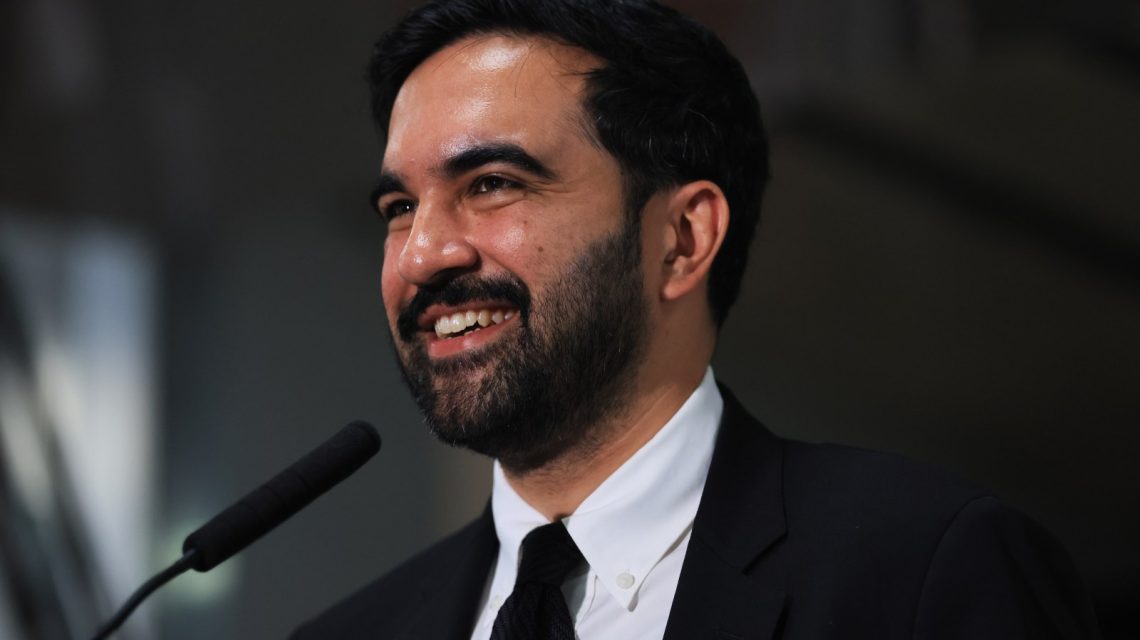
Rabbi Zalman Leib Teitelbaum of Williamsburg, a leading Satmar Hasidic figure, has criticized branding efforts that label Mayor Zohran Mamdani as antisemitic. This position places Satmar in opposition to some Jewish organizations that accuse the mayor of fostering hostility toward Jews in New York City.
This situation underscores the challenge of viewing Jewish New York as a unified political entity. Satmar’s stance is not an endorsement of Mamdani’s progressive agenda. Their opposition to Zionism is rooted in long-standing religious beliefs and precedes Mamdani’s tenure. Historically, Satmar leaders have emphasized maintaining positive relations with governing authorities, a principle Rabbi Teitelbaum reiterated by referencing biblical teachings to support the city’s welfare.
Mamdani finds common ground with Satmar for reasons different from those of anti-Zionist activists on the left. This blurs the typical assumption in New York politics that attitudes toward Israel predict local political affiliations.
Satmar and the Mamdani Political Divide
Mamdani’s Jewish allies do not form a unified group. While Satmar leaders cooperate with him based on religious anti-Zionism, progressive Jewish groups collaborate due to their political opposition to Israeli policies. Liberal Zionists may disagree with Mamdani on Israel but recognize the importance of maintaining a relationship with City Hall.
For Satmar, practical considerations matter as well. City Hall’s decisions on housing, education, and social services directly impact their neighborhoods. Throughout Mamdani’s campaign, Satmar argued for continued relations even as other Orthodox factions opted for confrontation.
The division is not simply between supporters and opponents of Mamdani. Jewish groups working with the mayor have varying reasons that sometimes conflict. Jewish political efforts in New York increasingly operate on a constituency-by-constituency basis, making it difficult for Israel-related disagreements to guide local political alliances reliably.
The Limits of Jewish Consensus
Satmar’s connection with Mamdani does not indicate collapsing Jewish support for Israel since the movement has a long history of opposing Zionism. A 2026 Pew Research survey showed 64% of Jewish Americans view Israel favorably, though 56% have little confidence in Prime Minister Netanyahu. Similarly, a Jewish New York City voter poll by The Jewish Majority revealed that two-thirds consider opposing Israel as undermining Jewish identity.
The significant divide is how these views translate into domestic politics. Even among Israel supporters, opinions vary on whether to oppose Mamdani by refusing cooperation, as seen when Orthodox leaders debated meeting him at City Hall.
This disagreement encompasses political access, communal interests, and ideological clashes, illustrating a shift in Jewish political strategy in New York.
Redefining Jewish Representation
For decades, mayors seeking Jewish opinion relied on established institutions like the UJA-Federation of New York, Jewish Community Relations Council, and the Anti-Defamation League. Mamdani’s leadership challenges these organizations’ necessity. During a Jewish American Heritage Month event at Gracie Mansion, major Jewish groups were absent, yet progressive Jewish representatives, city workers, and Orthodox communities attended. This signifies a potential change in political strategies.
Recently, Mamdani invited rabbis from various denominations for a private discussion on antisemitism. Despite some expressing concerns about his views on Israel, the meeting highlighted a new model where Mamdani interacts directly with individual leaders. City Hall may choose to engage separately with different Jewish factions, rather than relying on single organizations for representation.
If major groups continue influencing city decisions, like appointments and public-safety policy, their mediator role with Jewish voters might endure. However, if the mayor engages with constituencies individually, the shift would be more institutional, reducing any organization’s authority to define “Jewish opinion” in politics.
Rabbi Teitelbaum’s defense of Mamdani does not negate previous criticisms from other rabbis nor establish a new consensus. It highlights the complexity of Jewish political stances in New York, suggesting that expecting a unified position may be unrealistic. The situation raises questions about whether Jewish New York can still be viewed as a single political constituency.
 Senator John Fetterman’s Humorous Gaffe at Texas Tribune Festival
  California Enacts New Industrial Regulations Following Fire
  Kentucky Governor Andy Beshear Defends Transgender Policies Amid Criticism
  Senator Fetterman Critiques Democratic Party’s Stance on Israel
  Trump Attends Presidents Cup Amid Divided Reactions
  Nicki Minaj Sits Down with Lara Trump