Hawaii’s Democratic Primary: Experience Versus Generational Change
Hawaii voters are voting Saturday in a Democratic primary for the state’s 1st Congressional District. This election tests the Democratic Party’s internal divide between experience and generational change.
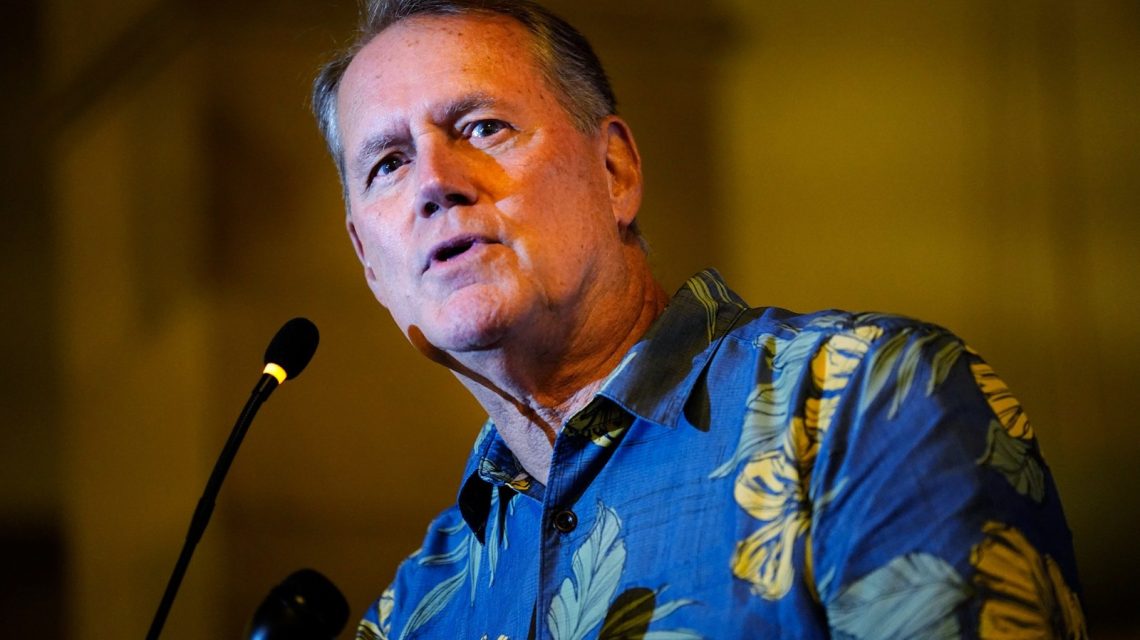
Representative Ed Case, a 73-year-old moderate and long-time incumbent, faces a strong challenge from state Senator Jarrett Keohokalole, 43. The contest reflects nationwide progressive primary challenges aimed at veteran lawmakers perceived as out of touch with the party’s grassroots.
Polling Insights
Polling data prior to Election Day shows a competitive race. Surveys from October 2025 to July 2026 reported Case leading with 39.8% support, while Keohokalole had 27.3% and former state House Speaker Della Au Belatti had 21%. Belatti, however, withdrew to run for lieutenant governor in May.
The New York Times tracking poll also placed Case ahead but noted he was not overwhelmingly safe. A Blueprint Polling survey on July 24 showed Keohokalole ahead at 47%, with Case at 38%. A previous July 7-8 poll had Case leading by 8 points, at 33% to Keohokalole’s 25%. Both were sponsored by Keohokalole.
Prediction markets indicate a tight race beyond just polling averages. By early Saturday afternoon, Prediction Edge showed Case with a 56% chance of winning versus Keohokalole’s 48%.
Campaign Focus: Establishment vs. Progressive
The campaign has focused on competing visions for the Honolulu-based district. Case highlights his seniority and tenure on the House Appropriations Committee, citing his role in gaining federal resources for pandemic recovery, the Red Hill water crisis, and recovery from the Maui wildfires.
“You can argue it all you want, but in Congress seniority matters,” Case told Hawaii Public Radio in July.
Keohokalole advocates for generational renewal, pushing for more aggressive action on affordability, healthcare, and national policy. He criticized Case for votes alienating progressives, such as his support for Trump’s Safeguard American Voter Eligibility (SAVE) Act.
Case clarified his vote to Hawaii Public Radio, noting that the version he supported had accommodations for voters lacking documentation, allowing for a written attestation of citizenship. He opposed later versions that lacked these accommodations.
Both candidates are similarly matched in campaign fundraising and spending, though Case held more cash going into the campaign’s final phase.
Democratic Party Watching Closely
This primary is one of several contests featuring progressive challengers against long-standing House Democrats, sparking debates on the party’s future leadership. While Case benefits from name recognition and campaign funds, Keohokalole’s potential upset may reflect Democratic voters’ desire for younger leadership.
The Next Steps
The primary’s winner will challenge Republican Adriel Lam, who faces no opposition in his primary, during November’s election. Hawaii primarily conducts elections by mail with ballots sent to all registered voters. In 2024, less than 2% of primary voters voted in person. As of Tuesday, around 179,000 ballots were submitted for the Saturday election. Polls close at 7 p.m. local time, equal to 1 a.m. Eastern Time on Sunday.
 President Trump Warns of Escalating War with Iran at UN Assembly
  Tariffs and Their Impact on Everyday Products
  Senator Criticizes Drug Policy After Ohio Tragedy
  Israeli Leader’s Upcoming U.N. Assembly Speech Marked by Controversy
  Republicans Call for Quick Resolution to Iran Conflict
  United States Secures Arctic Defense Pact