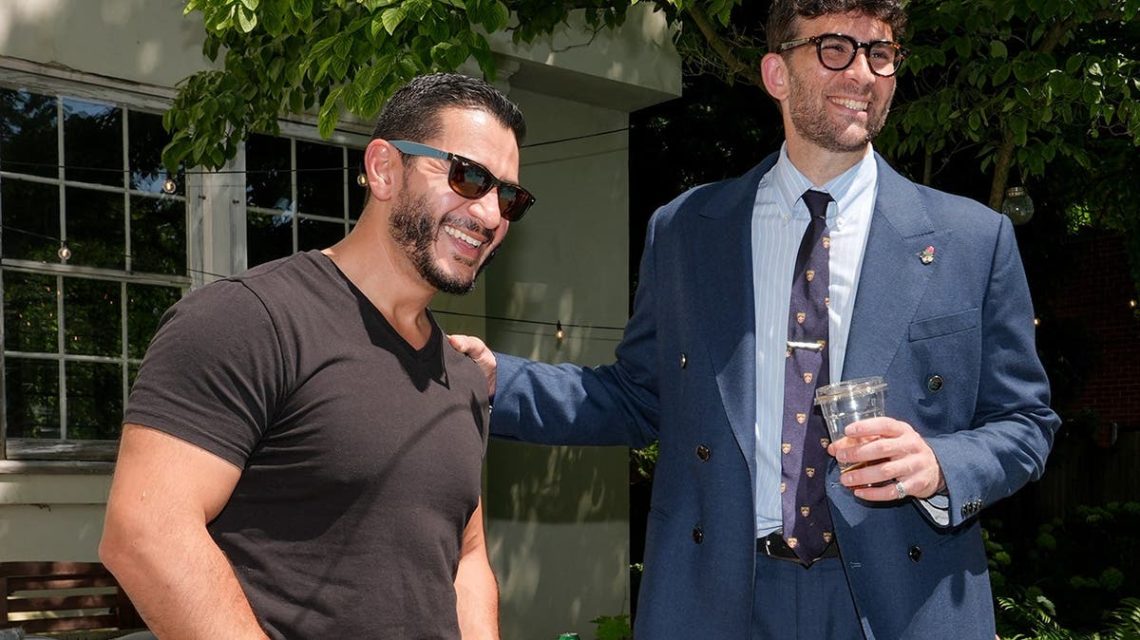
The recent primary success of Abdul el-Sayed in the Michigan Senate race highlighted a key issue in media and political circles. Democrats and their media allies seem unable to identify figures on the radical left. El-Sayed campaigned with Twitch streamer and podcaster Hasan Piker, known for his controversial statements, sparking a political debate.
El-Sayed is now facing Republican Mike Rogers in the general election. Media networks are likely to stand by the Democrat amidst criticism over his association with Piker. Piker’s past statements, including remarks that America deserved the 9/11 attacks and calling Mao Zedong a great leader, are under scrutiny. He appeared recently at a College Democrat meeting in a Mao-style suit.
NBC provided some straightforward coverage of El-Sayed’s campaign. Reporter Shaquille Brewster on ‘NBC Nightly News’ noted criticisms of El-Sayed for aligning with Piker, yet El-Sayed disagreed without disavowing Piker’s views.
The portrayal of El-Sayed in some media tends to be ambiguous. NBC’s Garrett Haake reported Republicans labeling El-Sayed an extremist, quoting Trump criticizing communist ideologies. This kind of coverage paints a picture of partisan attack narratives.
ABC’s Rachel Scott reported President Biden’s attempts to connect El-Sayed to communism. El-Sayed responded confidently, questioning the validity of these attacks.
PBS News carried an Associated Press piece mentioning Piker only as a progressive influencer. Former Obama strategist David Axelrod advised that focusing on characters like Piker could distract from core issues.
Coverage by MSM NOW’s Vaughn Hillyard considered the portrayal of El-Sayed amidst socialist accusations as misinformation. He questioned the necessity of Democrats countering this so-called ‘red scare’ to secure a win.
On CNN, Senator John Fetterman distanced himself from Piker. He stressed his disagreement with Piker’s willingness to support groups like Hamas or sentiments against America. El-Sayed, however, deflected by shifting focus to those he’s campaigning for rather than with.
Piker has expressed support for Hamas over Israel, which receives little criticism from mainstream media. His comments about challenging wealth inequality and corporate power are selectively covered, often ignored when controversial.
The New York Times has previously praised Piker, spotlighting his rise as a public figure. His appearance on their podcast with views about economic disparities drew attention but not widespread rebuke.
Historically, media outlets treat controversies involving Democrats and Republicans differently. When a Republican makes a controversial statement, media attention often extends beyond the individual to the party. Examples include the coverage of Republican Richard Mourdock’s comments in 2012. Democrats, however, rarely face the same level of scrutiny.
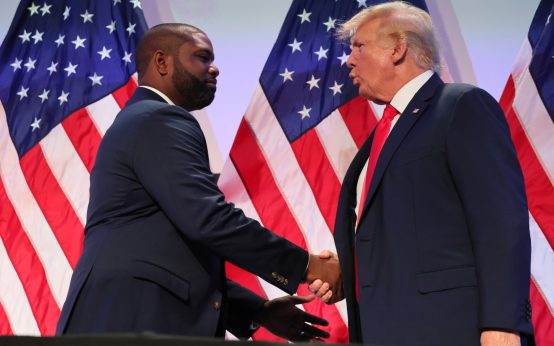 Byron Donalds Adjusts Campaign Strategy as Florida Governor Race Intensifies
 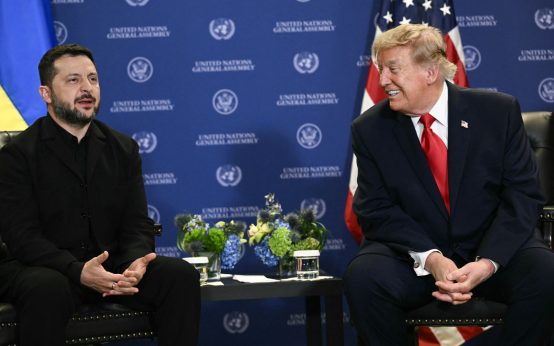 Trump’s Engagements at the UN: Focus on Ukraine and White House Developments
 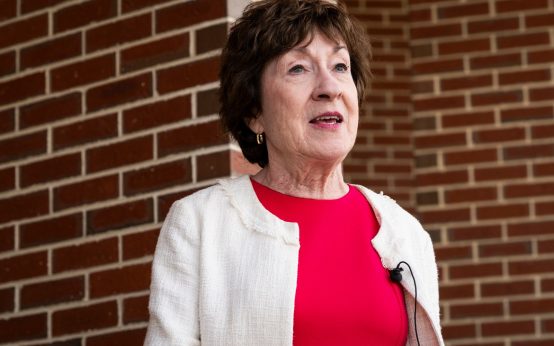 Collins Faces Scrutiny in Tight Maine Senate Race Amid Donor Allegations
 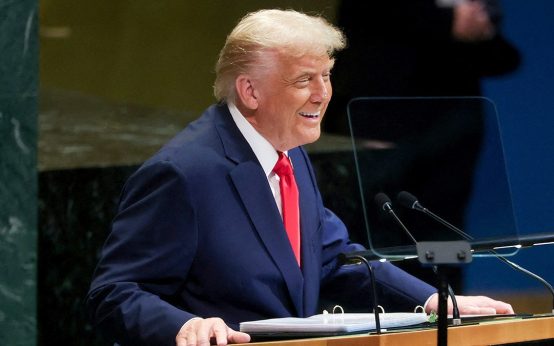 Trump’s Vision for Global Security: Iran, AI, and the Role of the U.S.
 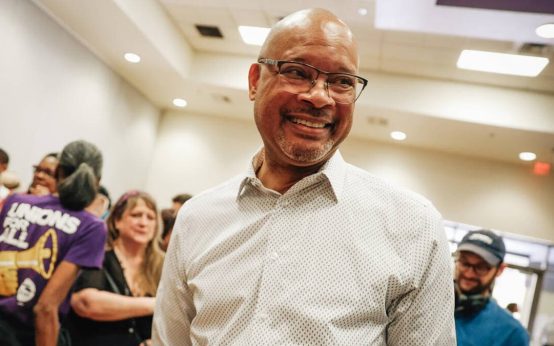 Nevada Attorney General Faces Questions Over Clemency Bid
  Trump Administration’s Crackdown on ACA Coverage