In Steelworkers Park, butterflies and dragonflies thrive among native plants and flowers. Public art and the concrete remnants of the U.S. Steel South Works tell of the area’s industrial past. Now, construction activity is evident as work progresses on the $9 billion Illinois Quantum and Microelectronics Park. This 440-acre development aims to transform the former mill site into a hub for technology adjacent to Steelworkers Park.
Construction and Economic Promise
Last fall, Governor JB Pritzker highlighted the project’s potential at its groundbreaking. It promises job creation and economic growth. PsiQuantum, based in California, has committed to anchoring the campus. Other technology players, including IBM and DARPA-funded firms, plan to join. However, the local community voices mixed reactions.
Community Concerns and Investigations
Podcasters and Respair Media co-founders Damon Williams and Daniel Kissingler have explored varying viewpoints. While the project is seen as a technological breakthrough, it risks displacing communities and impacting the environment. Residents are concerned about increased resource usage, digital privacy, and potential surveillance.
Their multimedia investigative feature, “Quantum Entanglements,” aims to offer a thorough examination of the development. Despite plans for a hospital, quantum computing facilities, and offices, what the campus will ultimately house remains unclear, causing local worry.
Lack of Community Inclusion
Anne Holcomb, a South Shore resident, noted that the quantum campus development did not involve community input from the start. During their podcast, Williams and Kissingler stressed that a lack of transparency has marked the project’s progression. Holcomb and others advocate for a community benefits agreement to safeguard local interests.
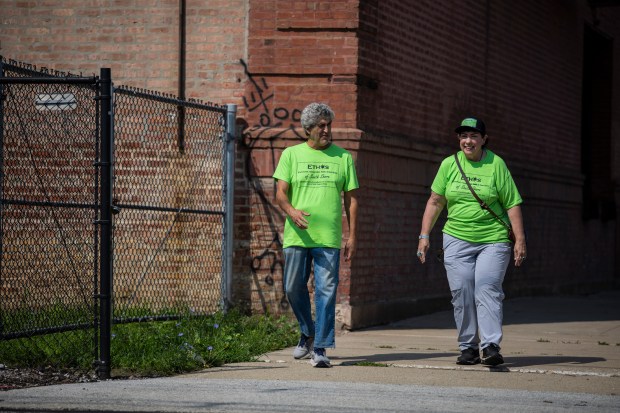
Grassroots groups like ETHOS and others from the Southeast Side are demanding commitments on environmental safety, local jobs, and investments. These groups see such agreements as essential for mitigating potential risks.
A Pattern in Urban Development
Antonio Lopez of the Chicago Frontlines Fund, which supports environmental justice causes, reflects on similar urban projects like Lincoln Yards and The 78 development. Such developments often spur distrust, as communities fear losing their ability to afford to live in their neighborhoods.
Kisslinger suggests the quantum campus fills a void but questions if it meets genuine community needs. Desired amenities include a credit union, public restrooms, and water fountains within reach, alongside long-term job and housing support.
Shaping the Future
Williams emphasizes the importance of community agency in shaping their surroundings to avoid displacement. Ongoing projects, like “Quantum Entanglements,” supported by the Chicago Independent Media Alliance and funded by the Field Foundation, strive for transparency and public involvement.
Since the podcast’s release, ETHOS has maintained dialogues with developers and the Illinois Environmental Protection Agency, as they advocate for responsible progress. They continue to push for housing, parks, and educational considerations, though discussions about job opportunities are pending.
Holcomb remains optimistic yet cautious. Community collaboration with developers is key, and while formal agreements are ideal, progress on mutual goals stands as a positive development.
 Fatal Car Crash in Grand Rapids Involving ICE Agents
  Orland Park Plans Traffic Enforcement Measures
  Trump Suggests Renaming AI to ‘Super Intelligence’
  Congressional Hearing Addresses Fatal Shootings Involving Federal Agents
  Texas Man Arrested in Shooting of 5-Year-Old Girl
  The Rise of Data Centers and AI Development