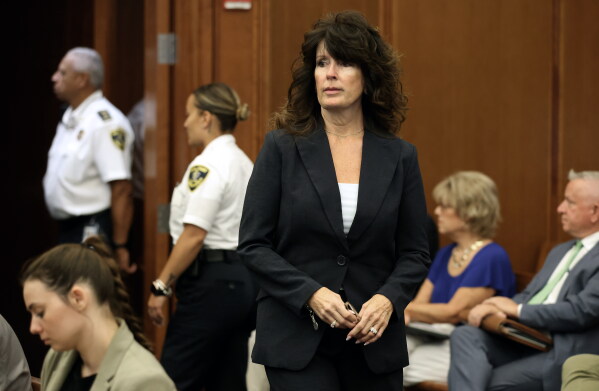
In Plymouth, Massachusetts, Lindsay Clancy faced intense emotions in court as jurors examined autopsy photos of her youngest child, whom she strangled in 2023. The trial, now in its second week, featured testimonies about Clancy’s mental health from friends and family members. Witnesses reported Clancy as being open about her struggles post-pregnancy, portraying her as a caring mother. Clancy has pleaded not guilty to murders despite her attorneys acknowledging she killed her children. The defense claims she was too mentally ill to be held criminally responsible.
Witness Testimonies
Friends and former colleagues provided insights into Clancy’s condition before the tragic events. She reportedly participated in family gatherings and social events without apparent distress. However, after her third child’s birth, she confided in a friend about sleep difficulties and adverse medication effects. A former coworker recalled Clancy expressing an inability to return to work due to her mental state, citing issues like insomnia and feeling disconnected.
In the same period, Clancy texted about experiencing negative side effects from medications. She described having dark thoughts, a possible indication of worsening mental health. Another friend received similar confessions about her ongoing sleep troubles and mental state.
Family Perspective
Christopher Clancy, Lindsay’s former father-in-law, testified about her struggles, acknowledging her sleep issues and deteriorating health. He suggested at one point that his grandchildren stay with him, but his son declined. Lindsay Clancy’s attorneys argue she suffered from postpartum psychosis, a rare condition following childbirth, and an undiagnosed bipolar disorder, worsened by certain psychiatric medications.
If convicted, Clancy faces life imprisonment without parole. Alternatively, a not-guilty verdict due to mental incapacitation would result in commitment to a mental health facility.
Similar Legal Precedents
The judge received news of a retrial in a related case of Latarsha Sanders, who killed her two sons in 2018. Sanders’ convictions were overturned due to withheld psychiatric records that could have informed jury decisions. Her defense argued she suffered from severe mental illness, claiming she acted under delusional beliefs.
The Massachusetts Supreme Judicial Court found the exclusion of Sanders’ medical records significantly impaired her defense. Prosecutors must decide next steps following this decision. Sanders’ lawyer expressed optimism for a new trial where all evidence can be reviewed.
 Juror’s Stand Leads to Mistrial in Lindsay Clancy Case
  Maryland Parents Arrested After Infant’s Death with Severe Injuries
  Jury Deliberations in Lindsay Clancy’s Murder Trial Stir Controversy
  Surrogate Resists Abortion, Appeals to Supreme Court in Legal Dispute
  Inmates File Lawsuit Over Fires and Smoke in D.C. Jail
  Former CIA Chief Subpoenaed in Justice Department Investigation