
Restricting Birthright Citizenship
Recently, President Trump has taken a significant step by issuing new executive orders aimed at changing the regulations surrounding birthright citizenship in the United States. These measures seek to alter the automatic granting of citizenship to children born within U.S. borders, regardless of their parents’ nationality.
This move is expected to spark considerable debate and legal challenges, as birthright citizenship has long been a established principle under the 14th Amendment of the U.S. Constitution. Supporters argue that this change could help address immigration issues, whereas critics see it as a violation of constitutional rights.
Potential Impact and Legal Ramifications
The implications of this decision are widespread, affecting thousands of children born in the United States to non-citizen parents each year. If implemented, these orders might result in a significant shift in how citizenship is determined and could lead to numerous legal battles as affected families and immigration advocates push back against the changes.
Legal experts are already forecasting a series of lawsuits challenging the validity of the executive orders. They highlight potential conflicts with the 14th Amendment, which has historically guaranteed citizenship to all individuals born on U.S. soil.
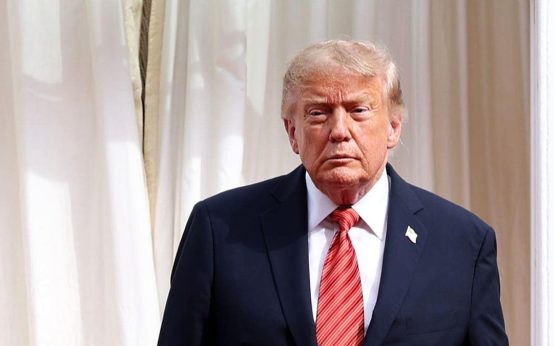 Trump Pressures Republicans on Filibuster Threat
 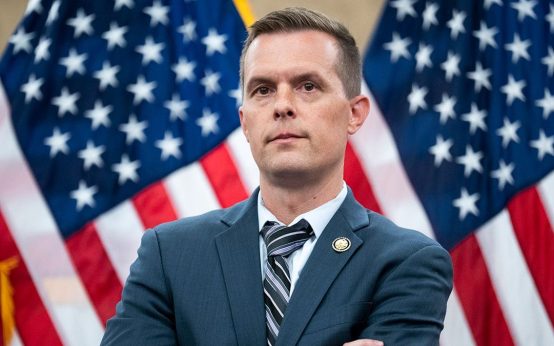 Rep. Golden Endorses Rep. Lawler for Re-election
  Public Perception and Political Impact of Data Centers
 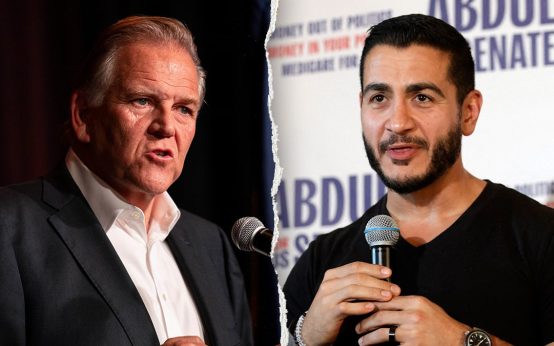 Jewish Democrats in Michigan Shift Support to GOP Candidate in Senate Race
  Mayor Mamdani and President Trump Discuss Major Housing Project in NYC
 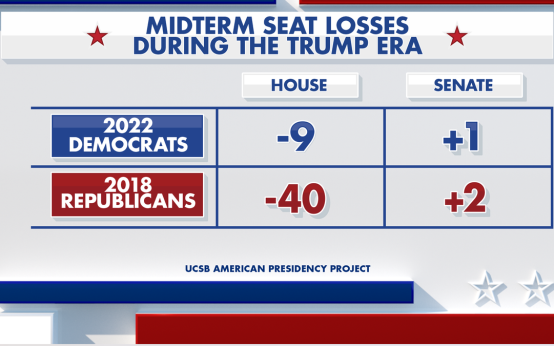 Poll Reveals MAGA’s Increasing Popularity Over DSA as Democrats’ Future Debated