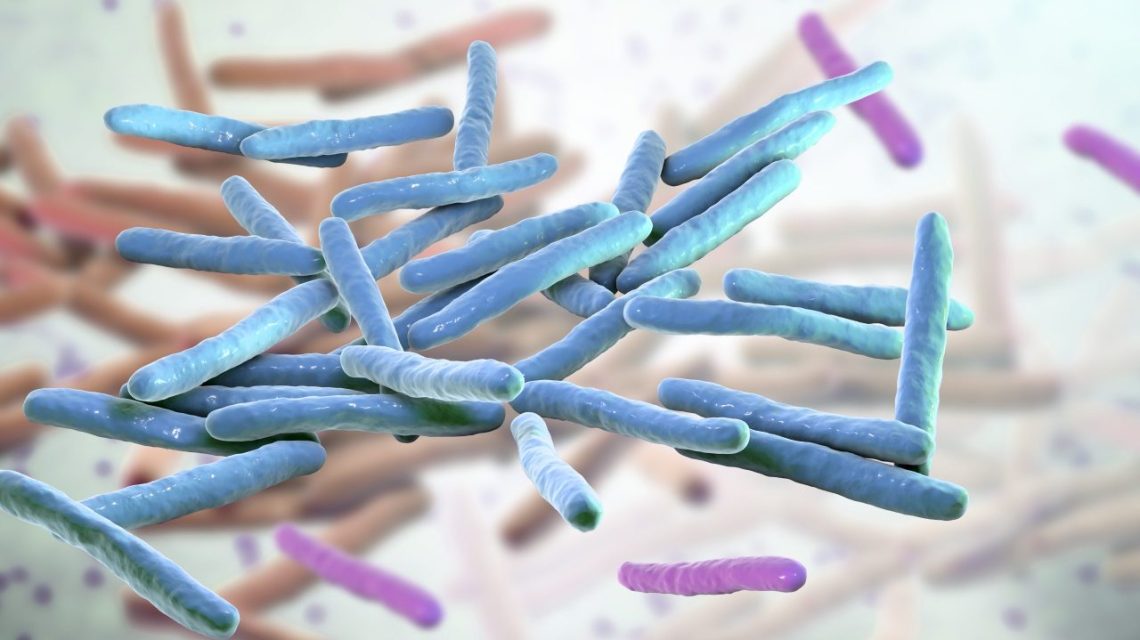
Leprosy cases are increasing in Florida, with health officials connecting many instances to exposure to a particular animal. As of July 23, Florida’s Department of Health has reported 17 cases statewide, with 81% concentrated in Central Florida, according to WFLA. The highest concentrations are in Volusia, Brevard, Lake, Orange, and Seminole counties. Last year, Florida recorded 36 cases of leprosy, the highest since records began in 1992. Among these, 26 were contracted within Florida, one outside the state, and two outside the country. The origins of the remaining seven cases are unknown.
Understanding Leprosy
Leprosy, also called Hansen’s disease, is a chronic infectious condition caused by the slow-growing bacterium Mycobacterium leprae. In some instances, symptoms may take up to 20 years to manifest after exposure.
Leprosy symptoms include lesions, lumps, and ulcers on the skin, loss of eyebrows and eyelashes, and it may affect the peripheral nerves. These nerves link the brain and spinal cord to the skin, muscles, and internal organs. This impacts an individual’s sense of touch and pain, often leading to injuries like cuts and burns.
While once thought highly contagious, the Centers for Disease Control and Prevention (CDC) states it is not easily transmitted between humans. Direct, prolonged contact is needed with the saliva or mucus of an infected person. Even then, about 95% of people have natural immunity.
Prevalence and Transmission
Leprosy is rare in the U.S., with approximately 225 cases diagnosed annually. Globally, around 250,000 cases occur, mostly contracted by Americans traveling abroad. So how are Floridians contracting it?
Health officials suspect the rise in cases is linked to nine-banded armadillos, carriers of Mycobacterium leprae. These armadillos are common in Mexico and the southern U.S., particularly in Central and Northern Florida. They are invasive pests, damaging landscapes by foraging and creating burrows.
Exposure occurs when people touch or hold armadillos or come into contact with soil around their burrows contaminated by armadillo droppings or bodily fluids.
Treatment of Leprosy
Early detection and treatment can cure leprosy. Patients undergo multi-drug therapy, combining antibiotics. After starting treatment, patients are no longer infectious. Depending on the leprosy type, treatment may last from one to two years, according to the CDC.
Prevention Steps
The CDC suggests several measures to reduce exposure risk:
- Avoid touching or holding armadillos.
- Don’t hunt or eat armadillos.
- Use repellents or traps in yards to limit exposure.
- Wear gloves and long sleeves when working in areas where armadillos dig.
- Wash hands thoroughly with soap and water after outdoor work to remove bacteria.
- If soap and water are unavailable, use alcohol-based hand sanitizer.
 Florida Reports First Dengue Fever Death as Outbreak Expands
  Federal Relief Funds Used for Anti-Racism Training in Albuquerque Schools
  Florida Man Claims ‘Lion Diet’ Transformed Health and Life
  Concerns Over Food Safety and Its Impact on Families
  A Mother’s Tragic Journey Under Abortion Ban
  Medical Diagnosis Errors: Understanding the Crisis