
Polls anticipated a significant lead for Abdul El-Sayed over Rep. Haley Stevens in the Michigan Democratic primary for the U.S. Senate, predicting a margin of more than 12 percentage points. Despite these forecasts, El-Sayed barely secured victory, leading to discussions about the reliability of polls.
Experts note that inaccuracies in polling are not uncommon in statewide primary contests. Several factors can influence polling outcomes:
- Voter Turnout: The actual turnout can differ significantly from what polls predict, affecting the accuracy of foreseen margins.
- Last-minute Decisions: Many voters make choices close to election time, which may not be captured in earlier polls.
- Sampling Errors: The sample of respondents may not accurately represent the broader voter base.
Despite these challenges, polls remain an important tool in understanding voter sentiment and preparing candidates for election day. By analyzing past polling inaccuracies, better sampling methods or predictive models could be developed to improve future polling precision.
 Trump’s Media Ban Affects Event Coverage
 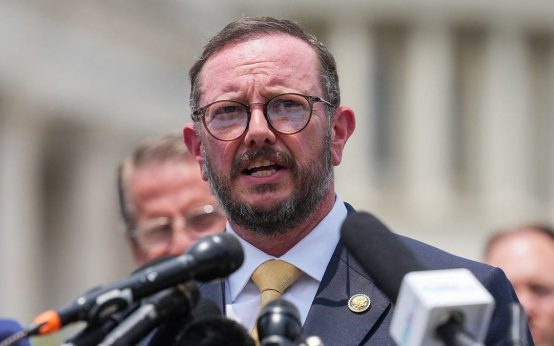 A Critical Perspective on National Spending and Healthcare from Representative Eric Burlison
  House Republican Criticizes Funding for Trump’s Arch Proposal
 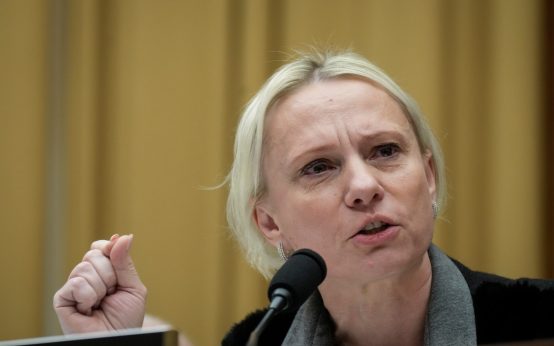 House Bill Proposes Dual Benefits for Combat-Injured Veterans
 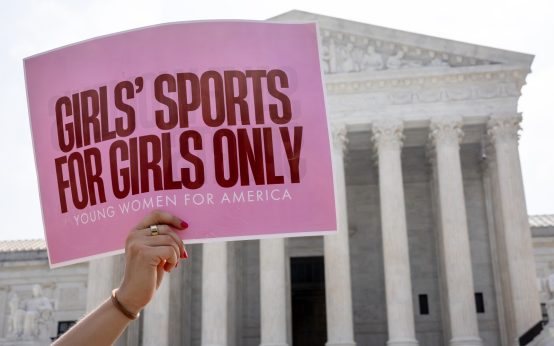 Democrats Navigate Transgender Athlete Debate Amid Midterm Elections
 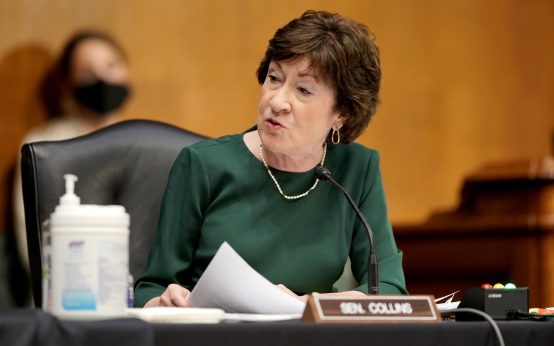 Senator Collins Warns Against Politicization of NIH Grant Funding