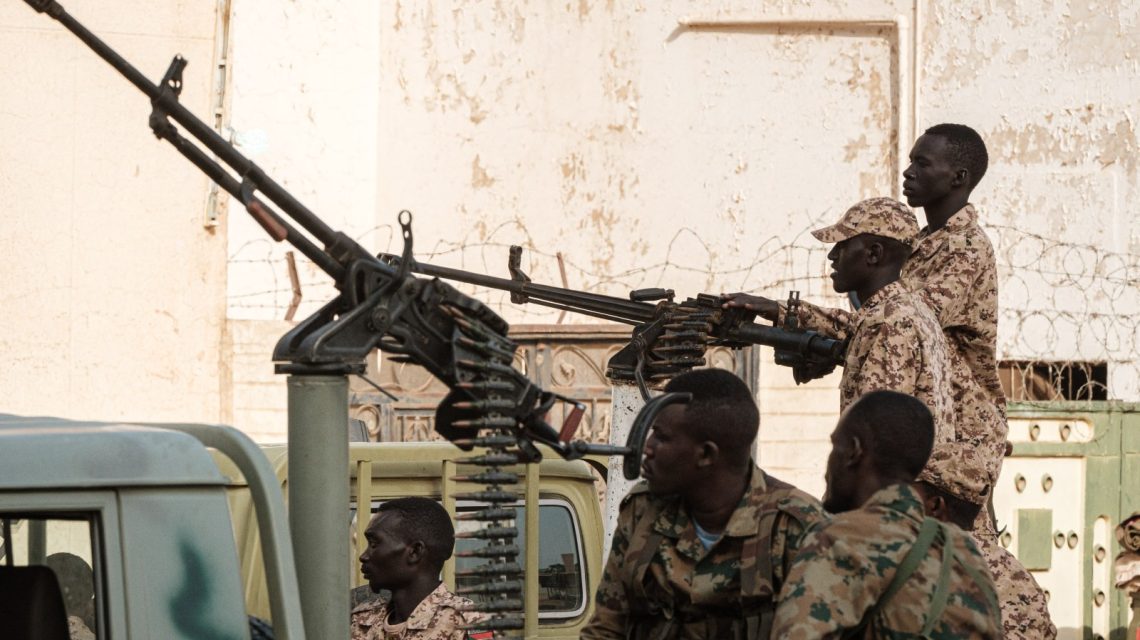
Rising Tensions in Sudan
Sudan faces significant escalation as fighting intensifies along the central front line. This threatens international peace efforts and worsens an already severe humanitarian crisis. Resolving the conflict is crucial for moral, humanitarian, and strategic reasons. The United States must increase its involvement.
U.S. Strategic Measures
The U.S. has taken steps to hold the Sudanese Armed Forces (SAF) accountable by imposing sanctions that target their supply and finance networks. Similar measures should apply to the Rapid Support Forces (RSF). The Trump administration needs to designate the RSF as a Foreign Terrorist Organization (FTO). This move would disrupt weapons trafficking networks linked to the RSF and emphasize the U.S.’s commitment to peace.
Battlefield Developments
Recent developments offer a chance to pressure the RSF into negotiations. The ongoing stalemate has strained the RSF’s patronage system, pushing them to choose between escalating violence or negotiating. This choice led the RSF to open a new front in southeastern Sudan in early 2026 and prepare an offensive on El Obeid, the SAF’s central headquarters.
However, the SAF has countered by securing the northern Khartoum-El Obeid supply line, which may facilitate future offensives into RSF-controlled areas in Western Sudan.
The Humanitarian Imperative
Ending the conflict in central Sudan is essential. The RSF’s siege tactics, including indiscriminate strikes on civilian and health infrastructure, have drawn international warnings of violence and atrocities. While the SAF has made some gains, the RSF remains a threat around El Obeid.
Ali Mahmoud Ali, a researcher with the Armed Conflict Location and Event Data Project, cautions that the war puts civilians at risk from both advancing and retreating forces.
U.S. Interests and Regional Implications
Peace in Sudan is a key U.S. interest, as the conflict has allowed malign actors to gain influence in the region. Islamist factions within the SAF have grown due to their role against the RSF. The war impacts Red Sea smuggling networks, drawing attention from Iran and Russia.
To effectively support peace efforts, the U.S. should designate the RSF as an FTO. This action has bipartisan support and could halt the Emirati-linked arms networks that aid the RSF. Abu Dhabi could stop supporting these networks, preventing third-party sanctions and maintaining relations with the U.S.
Long-Term Peace Efforts
Focusing on the RSF is vital for sustainable peace. An FTO designation would improve U.S. relations with the SAF and encourage their involvement in mediation efforts. Postwar, the SAF’s preservation is seen as necessary, while the RSF is considered unsuited for any role in Sudan’s future.
The SAF has taken actions to maintain Western support by containing Islamist influence and distancing themselves from Iran and Russia.
The Path Forward
Failure to act could sacrifice Sudanese lives and undermine U.S. interests by avoiding conflict with Abu Dhabi. This would be a moral failing and strategic error in a region with threats from Islamists, Iran, and Russia.
Liam Karr and Michael DeAngelo discuss the complexities of Sudan’s conflict. Their insights highlight the U.S.’s need for decisive action.
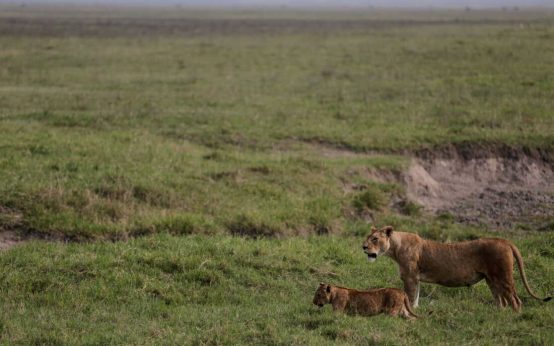 Investigation into Lion Deaths in Tanzania
 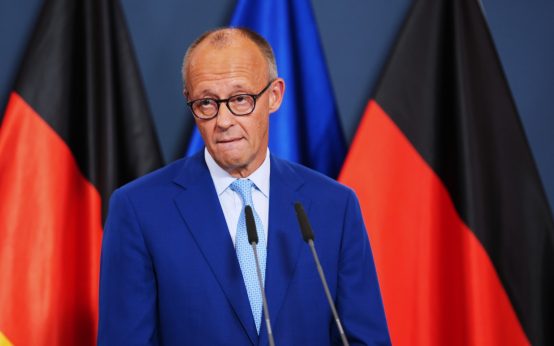 Merz Stays Resolute Amid Electoral Shifts in Germany
 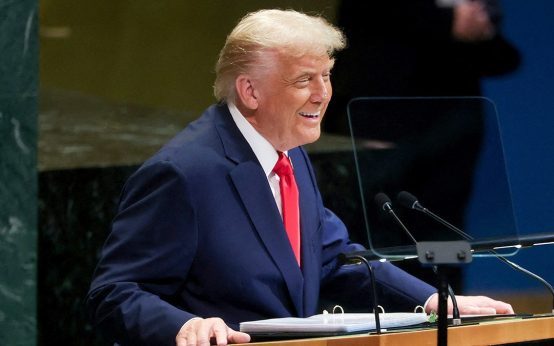 U.S.-Iran Relations and Diplomacy at Upcoming U.N. Assembly
 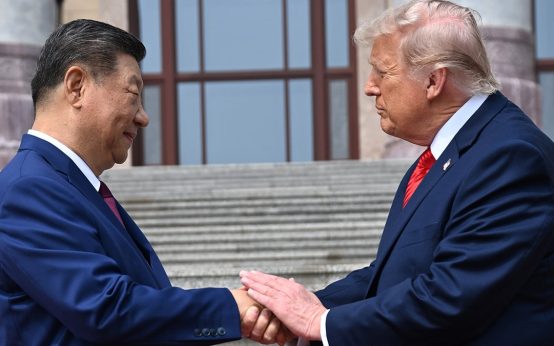 US-China Relations Under Scrutiny: Expert Warns of Escalating Tensions
 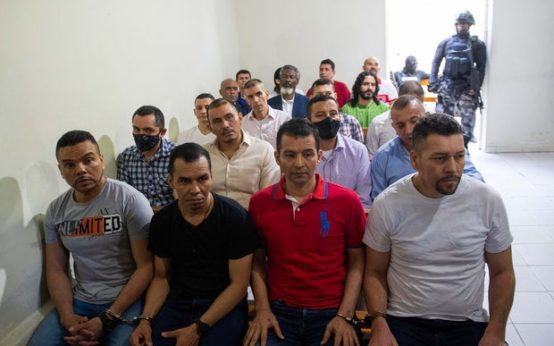 Extradition of Suspects in Haitian President’s Assassination
  No Timeline for End of Iran Conflict