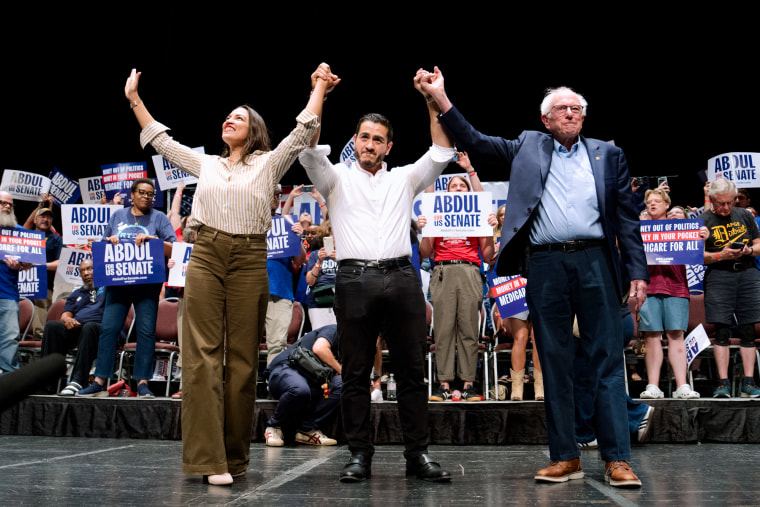
Abdul El-Sayed secured victory in Michigan’s Democratic Senate primary, as projected by NBC News. He narrowly defeated Rep. Haley Stevens, solidifying a progressive foothold in the Midwest this election cycle. El-Sayed overcame a substantial financial disadvantage, facing nearly $65 million in external funding primarily supporting Stevens. Notably, Gov. Gretchen Whitmer endorsed Stevens last month, attempting to curb El-Sayed’s momentum.
El-Sayed, formerly a public health officer, will contend against former Rep. Mike Rogers, who secured the Republican nomination unopposed. This November’s contest is poised to be highly competitive, potentially influencing Senate control. The winner will replace Sen. Gary Peters, a Democrat who chose not to seek a third term and endorsed Stevens.
As it stands, Republicans hold 53 Senate seats, while Democrats aim to capture four seats to gain a majority. Democrats must defend vulnerable seats in numerous states, including Michigan. President Trump’s early backing of Rogers, who won Michigan in 2016 and 2024 but lost in 2020, cleared Rogers’ GOP primary path.
The Republican opposition sees El-Sayed as a more viable opponent than Stevens. The National Republican Senatorial Committee even created ads highlighting El-Sayed’s progressive stances and endorsement from Sen. Bernie Sanders, emphasizing his potential challenges in the general election.
Figures like Sanders and Rep. Alexandria Ocasio-Cortez championed El-Sayed’s campaign. El-Sayed’s platform promotes “Medicare for All,” critiques corporate influence in politics, and questions Stevens’ support of Israeli aid. The campaign also scrutinizes the substantial monetary advantage enjoyed by Stevens and her allies, driven by groups such as AIPAC, which invested heavily in pro-Stevens advertising.
Despite Stevens’ financial dominance, El-Sayed insisted that funding should not define election outcomes. He critiqued Stevens’ reliance on significant monetary support during a recent debate.
Stevens aligned with Democratic leaders, including Whitmer and Senate Minority Leader Chuck Schumer, while El-Sayed earned endorsements from influential figures, such as the United Auto Workers.
The campaign turned increasingly aggressive as State Sen. Mallory McMorrow exited the race, previously representing a middle-ground voice. McMorrow endorsed El-Sayed and encouraged party unity post-primary.
Stevens criticized El-Sayed for focusing nationally rather than locally, a stance reinforced by Whitmer’s endorsement. A leaked donor call further fueled tensions, with El-Sayed discussing broader strategic impacts of his victory, referencing potential challenges to figures like Sen. John Fetterman.
Stevens highlighted her regional connection at the debate, countering perceptions of her as an outsider. In contrast, El-Sayed kept his focus on grassroots politics and resistance to corporate domination.
 The War on Poverty: A Lesson on Intentions and Outcomes
 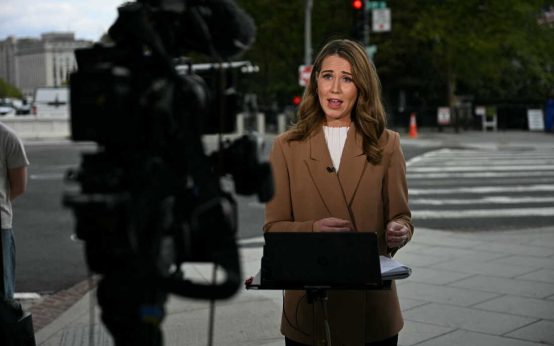 Reporters Blocked from White House by Trump Administration
  Universities Should Reject Political Influence on Research Funding
 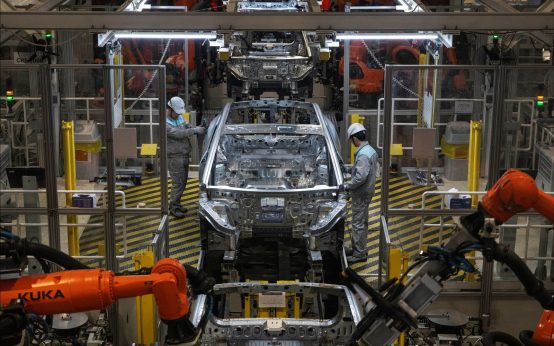 Trump’s Approach to China: Trade Dynamics and Challenges
  Media Outlets Sue After White House Ban
  American Public Opinion on Press Freedom