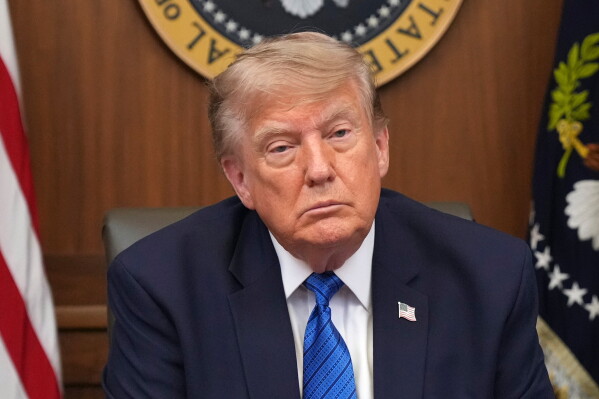
Acting Attorney General Todd Blanche formally ended President Donald Trump’s $1.8 billion ‘anti-weaponization fund’ aimed at compensating his political allies. This decision follows lengthy negotiations with two Republican senators who had been blocking Blanche’s nomination to become attorney general.
Republican Senators’ Involvement
Texas Sen. John Cornyn, one of the senators opposing Blanche’s nomination, confirmed the deal’s existence. North Carolina Sen. Thom Tillis did not immediately comment. Blanche had previously stated at a hearing in June that the fund would not proceed due to bipartisan concerns. The concern was particularly about potential payouts to violent rioters from the Jan. 6, 2021, attack on the U.S. Capitol.
Cornyn and Tillis, members of the Judiciary panel, wanted written assurance before endorsing Blanche. They insisted on clarity, especially as Trump supported the fund’s concept. Blanche indicated in a statement that the decision emerged from ‘good faith discussions’ with committee members.
Official Confirmation from the Justice Department
The Justice Department issued a statement confirming the termination of the fund. Despite previous assurances and representations to district courts, an order had officially rescinded the May 18, 2026, order related to the fund. According to the order, no members were appointed, no funds were transferred, no claim process was established, and no claims were paid. This confirmation ensured the fund would not proceed.
Details on the Tax Audit Immunity Agreement
The document released by Blanche also narrowed the scope of another provision granting immunity from tax audits for Trump and his family. The agreement now applies only retroactively to claims open at the time of the settlement, not offering protection for future tax examinations.
Senators’ Stand against Blanche’s Nomination
Cornyn and Tillis, along with other GOP colleagues, have voiced their concerns about the fund, consequently delaying Blanche’s nomination vote originally planned for Thursday. The Justice Department showed willingness to negotiate, however, the White House refused to concede.
Cornyn remarked they were aligned with Blanche and the Justice Department, but President Trump’s intervention stalled progress. Blanche was initially appointed as deputy attorney general, stepping into the top role after Pam Bondi’s dismissal. Despite claiming not to audition for the permanent position, Blanche pursued Trump administration’s agenda aggressively.
Trump’s Continued Support for the Fund
Negotiations continued while Trump persisted in advocating for the fund, threatening to proceed if Blanche’s nomination failed. Following the postponed vote, Trump suggested possibly pulling and resubmitting Blanche’s nomination post Cornyn and Tillis’s departure from office. On Sunday, Trump emphasized the hardships faced by those charged in the Jan. 6 Capitol attack, expressing the fund would compensate their suffering.
Trump’s attorneys announced plans to appeal against a judge’s critical ruling regarding the IRS lawsuit settlement. The judge referenced one of Trump’s lawyers for potential disciplinary action while critiquing Blanche’s involvement due to prior representation. Blanche maintained disagreement with the judge’s insinuations.
Justice Department attorneys had previously informed courts about the fund’s non-progression but resisted filing declarations under penalty of perjury as requested, deeming it unnecessary.
 The War on Poverty: A Lesson on Intentions and Outcomes
  Reporters Blocked from White House by Trump Administration
  Universities Should Reject Political Influence on Research Funding
  Trump’s Approach to China: Trade Dynamics and Challenges
  Media Outlets Sue After White House Ban
  American Public Opinion on Press Freedom