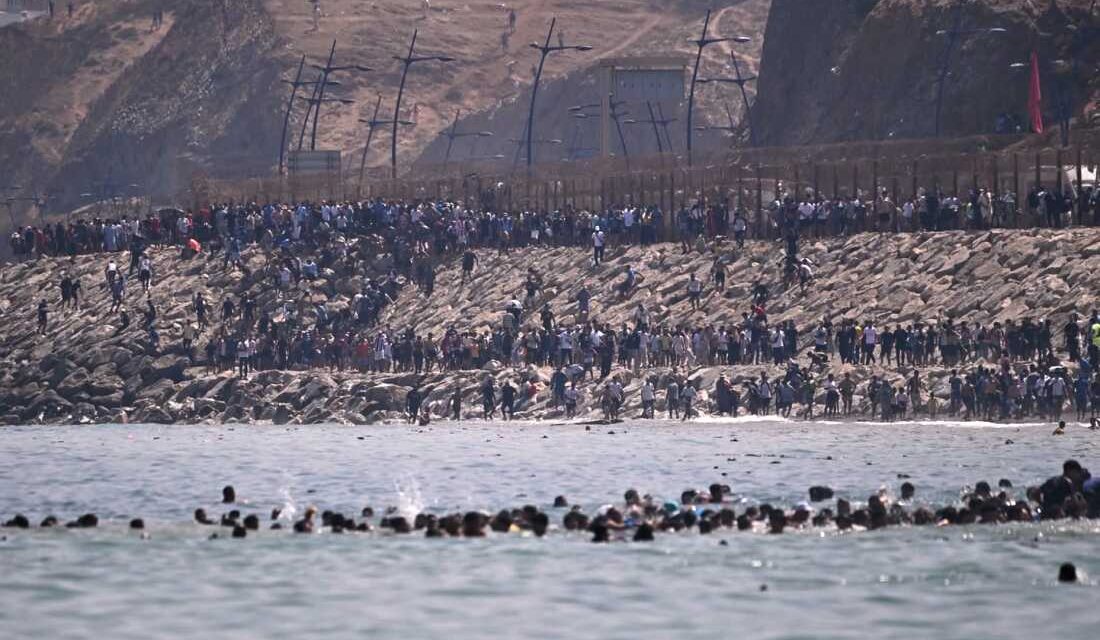
In Ceuta, Spain plans to deploy military forces to establish order at its border with Morocco. This decision follows an influx of migrants into the small Spanish territory, with at least nine people losing their lives in the attempt.
Local authorities in Ceuta requested assistance from the central government in Madrid after significant crowds breached the border fence. The situation on Thursday saw many individuals crossing, highlighting the need for reinforced border control.
Government Response
Spain announced the deployment of the Armed Forces to assist the Civil Guard in maintaining security in Ceuta. Prime Minister Pedro Sánchez and Interior Minister Fernando Grande-Marlaska are expected to visit Ceuta.
Rachid Sbihi, leading the association of Spain’s Civil Guard officers, remarked that the situation was chaotic. He noted that thousands crossed the border, leading to a collapse in border control.
Achraf Maimouni, part of the Moroccan Association for Human Rights, described the border opening as exceptional, with many people crossing under atypical circumstances.
Impact and Details
Video footage depicted Moroccans, including families with children, reaching local roads from Tarajal beach. Some shouted “Viva España!” as they moved.
The Spanish government confirmed nine deaths occurred amid the chaos but provided no specifics. Local authorities mentioned that several people had died trying to reach Ceuta this year.
Despite rising arrivals, the reasons remain unclear. Morocco has not publicly addressed the situation or commented on the crossings.
Ongoing Cooperation
The Spanish Interior Ministry confirmed Morocco’s collaboration in addressing the border situation. Moroccan police actively prevent many from crossing, with both nations committing to return those who entered Ceuta illegally.
Despite calls for a national emergency declaration, the Spanish government stated such a measure isn’t applicable under current legislation concerning migration.
Additionally, Italy’s Premier Giorgia Meloni threatened to suspend open-border agreements with Spain despite no direct border, reflecting wider concerns in Europe.
Border History and Context
Ceuta, a strategic area on Africa’s northern coast, has been Spanish-controlled since 1580. It consists of a mixed population of Christians, Muslims, Spanish, and Moroccan residents.
The recent influx draws comparisons to May 2021 when over 8,000 migrants entered Ceuta amid diplomatic tensions between Morocco and Spain concerning Brahim Ghali, a leader of the Polisario Front.
Ceuta’s head, Juan Jesús Vivas, called for armed forces and police to bolster border security, citing the overwhelmed migrant reception centers and the need for increased border inviolability.
By mid-July, nearly 3,000 migrants had accessed Ceuta by land or sea. The Spanish Interior Ministry plans to release a migration report soon, providing updated figures and further detailing the situation.
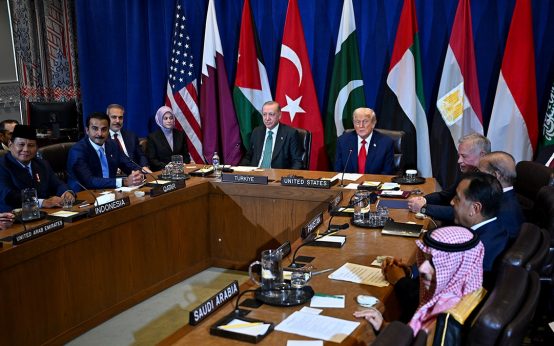 UN General Assembly and Middle East Diplomacy Amid Rising Tensions
  U.S. Secures New Greenland Security Agreement
 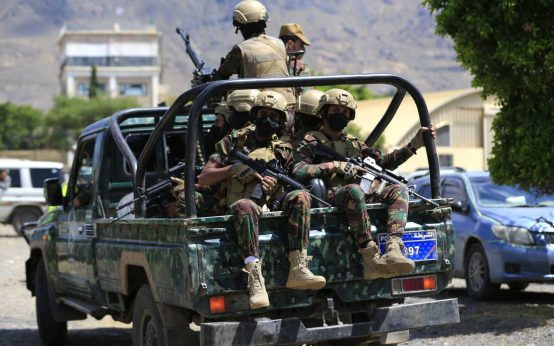 Crisis in Yemen Amid Renewed Conflict
 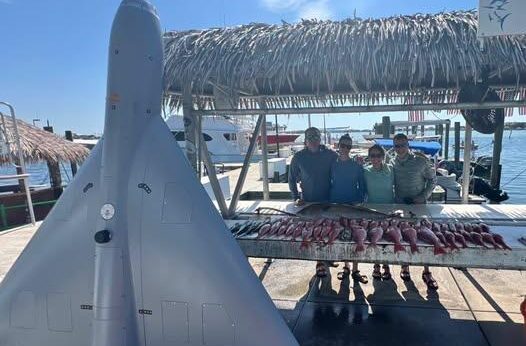 Fishing Expedition Uncovers US Military Drone in Gulf Waters
  Hurricane Polo Threatens Catastrophic Impact on Mexico’s Coast
 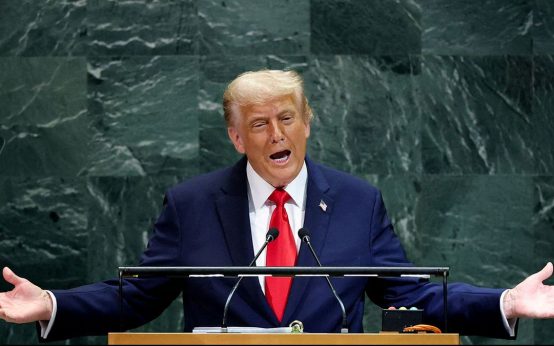 Trump’s Diplomatic Agenda: UN Speech and Global Issues