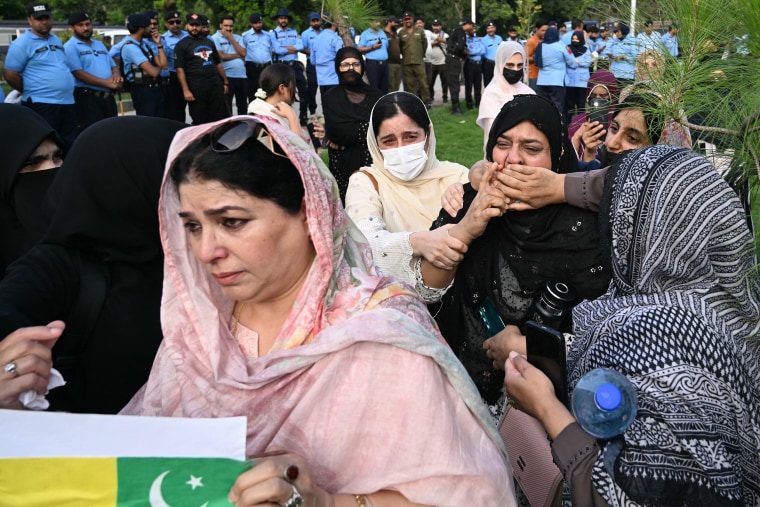
Protests Turn Deadly Amid Kashmiri Elections
In Pakistan-administered Kashmir, protests during recent regional elections have led to fatalities. Leaders from a banned group reported over 30 deaths during clashes with security forces near one town. This violence occurred ahead of the elections’ second round.
Election Outcomes Amidst Tension
Pakistan’s main governing party, the PML-N, secured nine of thirteen contested seats in the Mirpur, Kotli, and Bhimber districts on Monday. Originally planned for a single vote on July 27, elections were divided into three district-based rounds due to security issues. The upcoming rounds are set for August 2 and August 10. The Pakistan Tehreek-e-Insaf (PTI), the winner of 2021 elections, has boycotted these elections, citing concerns over electoral fraud.
Impact of the Ban on Protest Groups
The Joint Awami Action Committee (JAAC), a key protest group, was banned in June by regional authorities, which led to violent protests last month. Disruptions in banking, roads, and internet services have complicated information flow, making independent verification of death tolls, claimed by the JAAC, difficult.
Official and Unofficial Accounts of Violence
Authorities have reported casualties among security forces, with one member killed and five injured during Monday’s clashes. An anonymous official noted at least three protester deaths in Mirpur this week. Pakistani officials claim armed militants, allegedly supported by India, were involved in these protests. India has refuted such claims.
Historical Context of Regional Tensions
Tensions in this self-governing region have historic roots but have recently intensified. Supporters of increased regional autonomy accuse the Islamabad government of political interference and economic neglect. Economic grievances have fueled many protests, including those against high electricity costs in 2022. This region supplies other parts of Pakistan with cheap hydroelectric power.
The Role of the JAAC
Established in 2023, the JAAC harnessed public discontent, advocating for electoral reforms. Twelve of the 45 seats in the legislative assembly are reserved for constituencies identified as refugees from Indian-administered Kashmir. These seats often go to individuals living outside the region, leading to accusations against Islamabad of political manipulation. Pakistani officials have denied these allegations.
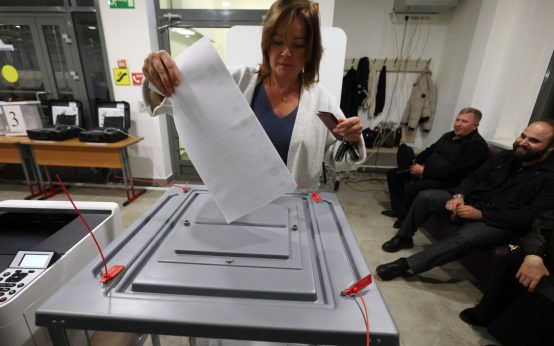 United Russia’s Election Victory and Its Implications
 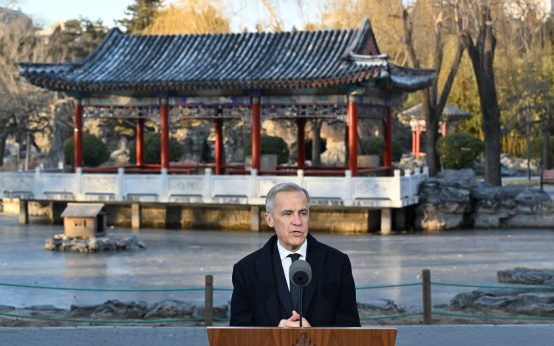 Canada’s Tariff on Chinese Electric Vehicles: Business Influence and Security Concerns
  The Cost of Challenging Beijing
 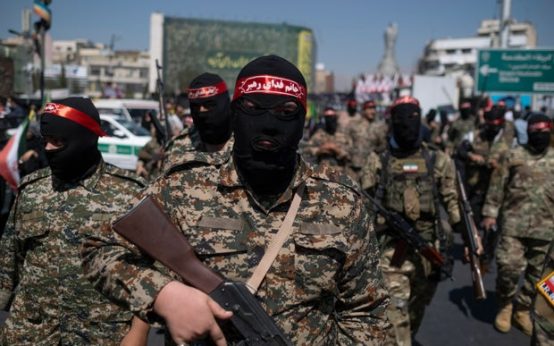 Tensions Escalate in Iran Conflict as Global Leaders Weigh Options
 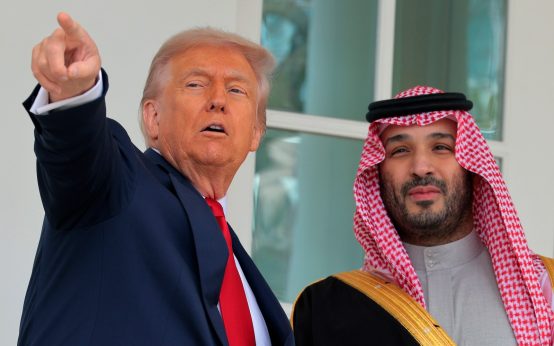 White House Approves F-35 Sales to Saudi Arabia Amidst Regional Tensions
  Inside the Secret Deals Powering the President’s Push to Deport Migrants to Countries Not Their Own