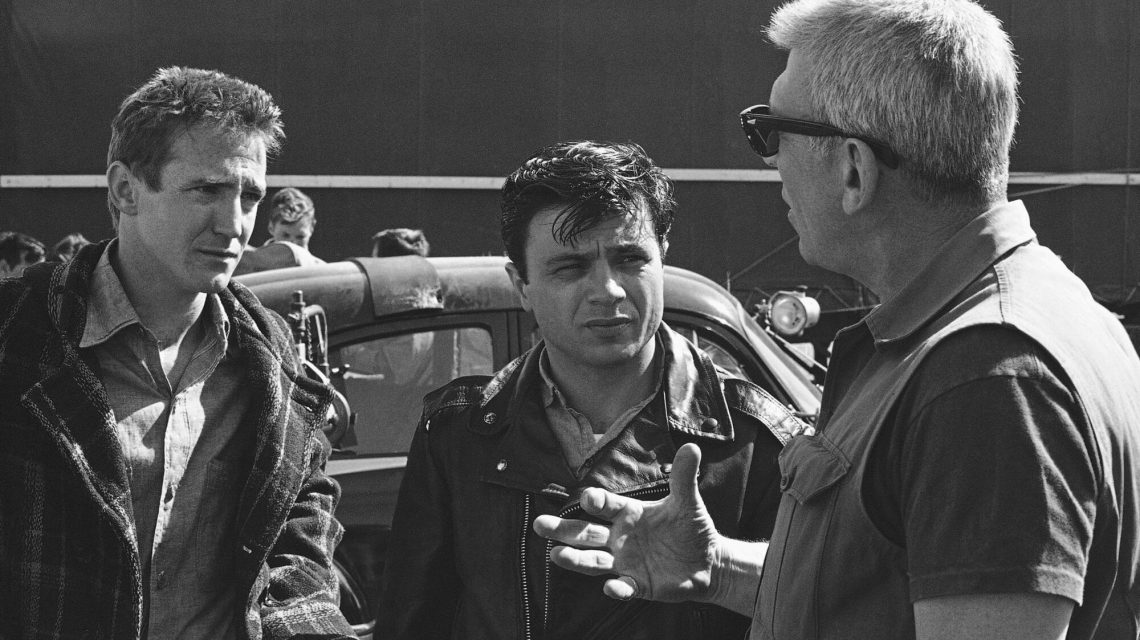
On the evening of her tragic death, Robert Blake took his new wife to Vitello’s Italian Restaurant in Studio City. This venue, where patrons would often glance at old celebrity photos on the walls, had become a familiar spot for the aging actor. By May 2001, at 67, Blake was recognized by those who watched television in the 1970s as he had been a regular on shows like “Hollywood Squares” and “The Tonight Show.” Most notably, he played the role of detective Tony Baretta during the 1970s, earning an Emmy in 1975.
Despite the fame he garnered as Baretta, Blake later expressed disdain for television roles, believing his talents were more suited to film. His most acclaimed movie performance was in the 1967 adaptation of “In Cold Blood,” where he convincingly portrayed Perry Smith, a troubled individual involved in a notorious crime.
I thought Mr. Clutter was a very nice gentleman,
Blake’s depiction of Smith was hauntingly real. He conveyed an understanding of Smith’s doomed existence, sharing in his memoir that he felt a profound connection to the character.
Beyond his roles, Blake cultivated a public persona as a tough, outspoken individual who rejected Hollywood’s norms. He often spoke about his difficult childhood, revealing that it included neglect and abuse. Despite growing up on movie sets, Blake behaved as if he survived a harsh East Coast upbringing, speaking in a manner that reflected the streetwise characters he portrayed.
In 1993, Blake emerged from one of his many hiatuses to star in “Judgment Day: The John List Story,” demonstrating his continued interest in complex and dark characters. Despite claiming he’d never met a murderer, he often spoke about his internal struggles.
Bonny Lee Bakley, Blake’s second wife, was known for her own questionable activities. When Blake and Bakley met in 1998, Blake was alone, describing himself as a loner with little direction in life. Bakley, 23 years his junior, had a history of scams and pursued famous people, eventually targeting Blake.
Their relationship led to the birth of their daughter, Rosie, whom Blake acknowledged as his child through a DNA test. Still, the marriage was fraught with tension. Blake accused Bakley of trapping him, though he expressed love for their daughter.
On the night of the murder, the couple dined at Vitello’s, and according to Blake, he parked his car a block and a half away for convenience. After their meal, Blake claimed to return to the restaurant to recover his forgotten gun, only to find Bakley shot when he returned to the car.
Witness testimony described Blake’s unusual demeanor following the shooting, as he sought help and appeared distressed. A subsequent investigation revealed that the gun Blake carried was not the murder weapon, casting suspicion on his account of events.
The investigation took a turn when Gary McLarty, a stuntman known as “Whiz Kid,” approached the LAPD. He claimed Blake sought him out with a plan to have Bakley killed. McLarty and another stuntman provided testimonies that painted Blake as someone plotting to eliminate his wife via various scenarios.
Following a lengthy investigation, Blake was charged with murder, with the motive presumably being to gain custody of his daughter. The trial, shadowed by the infamous O.J. Simpson case, lasted 12 weeks. Despite numerous witnesses, the prosecution struggled without direct evidence linking Blake to the murder weapon.
Blake’s defense challenged the credibility of the stuntmen’s testimonies, focusing on their pasts and casting doubt on their stories. Ultimately, in 2005, Blake was acquitted of the criminal charges.
In a later civil trial, however, the jury found Blake liable for Bakley’s death, awarding $30 million to her children, a decision that reflected the jury’s belief in his responsibility.
Blake spent his remaining years out of the public eye, occasionally speaking out against media portrayals. His life concluded at 89, with many unresolved questions following his legacy both in Hollywood and in the courtroom.
 Vermont Shooting Verdict
 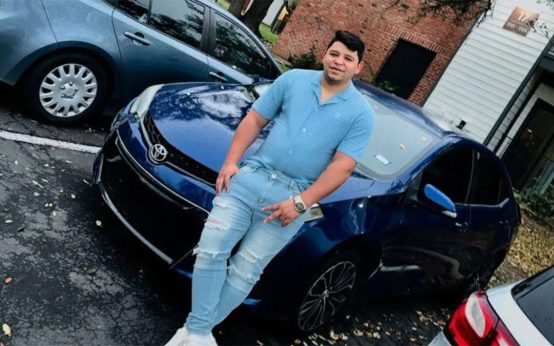 Federal Judge Blocks Deportation of Immigrant Shot by ICE
 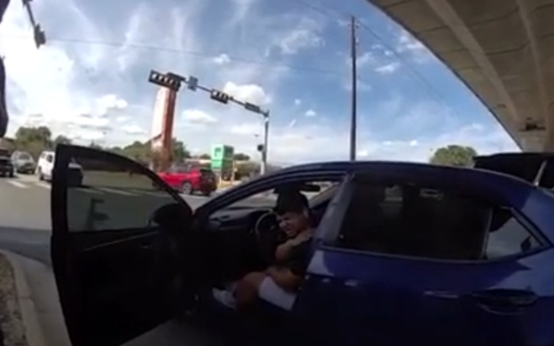 Body Camera Footage Released of Venezuelan Immigrant’s Arrest After ICE Shooting
 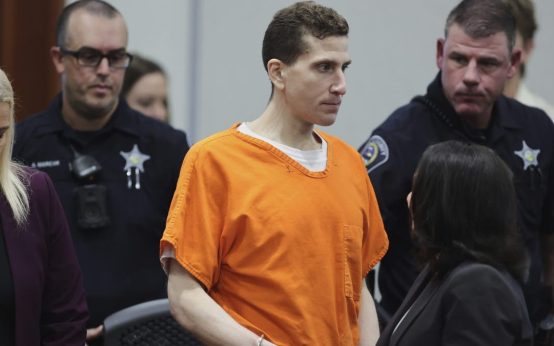 Prosecutors Oppose Bryan Kohberger’s Plea Withdrawal
  Reiner Seeks Access to Trust Fund for Legal Defense
 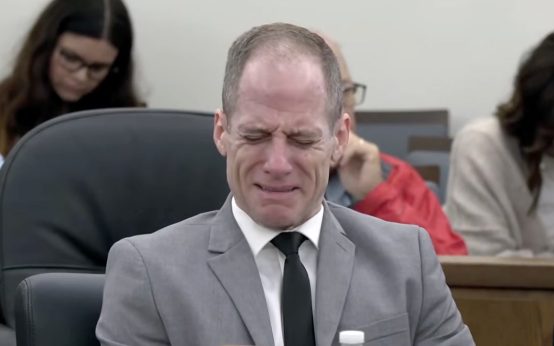 Former ‘American Idol’ Contestant on Trial Over Missing Gun and Allegations of Murder