It appears the world is experiencing intense wildfires this summer. In Europe and North America, wildfires have become more extreme. Despite this, global burning statistics have reached a record low because Africa and Asia are controlling fire incidents more effectively. Experts suggest these contrasting trends are due to human actions impacting the planet.
Increasing Wildfire Severity in Europe and North America
Spain faces its largest wildfire on record, covering over 193 square miles (500 square kilometers). In Europe, wildfires are approaching 2025’s all-time high levels. In Canada and the United States, land burned by wildfires this summer is at least 25% higher than the 10-year average, according to national wildfire centers. Smoke from these fires has caused unhealthy air quality across broad regions. University of Colorado fire scientist Jennifer Balch states that wildfires are worsening in size, intensity, speed, and frequency, especially in the U.S., Canada, and Europe.
Decreasing Wildfire Trends in Africa and Asia
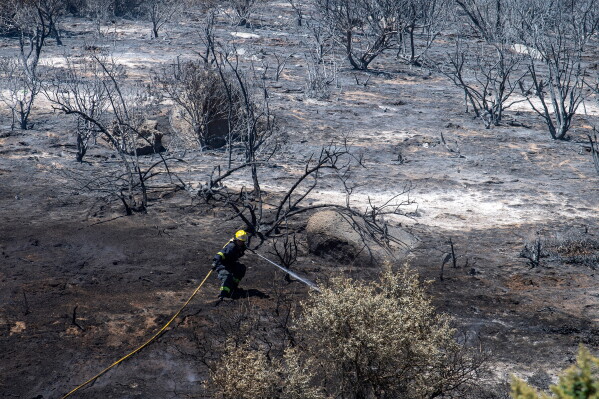
A firefighter battles a wildfire on the slopes above Simon’s Town, South Africa, Dec. 19, 2023. (AP Photo, File)
The European climate center Copernicus reports that July saw record low global emissions from burning fires. Africa and Asia have seen a reduction in fire activity due to changes in agricultural practices, fire management, and population movements, according to senior scientist Mark Parrington. Copernicus calculated that this year’s carbon emissions from fires are the lowest since satellite measurements began nearly 25 years ago, about half of early 2000s levels.
Africa plays a significant role in global fire activity. Over the last 25 years, fire incidents in sub-Saharan Africa have decreased dramatically, as stated by UCLA scientist Park Williams. On average, more than three-quarters of fire emissions worldwide originate from Africa and Asia.
Traditionally, grassland fires in Africa have influenced global fire statistics, says John Abatzaglou of the University of California Merced. However, with more land used for housing and farming, these fires are limited, and barriers are created to prevent spread.
Human Influence on Northern Hemisphere Fires
A firefighter watches a helicopter drop water on the Summit Fire in Llano, Calif., July 10, 2026. (AP Photo/Ethan Swope, File)
In North America and Europe, human actions contribute to the increased severity of fires, particularly due to climate change. Five experts told The Associated Press that higher temperatures and drier conditions create ideal fire weather. According to Balch, hotter nights prevent forests and firefighters from recuperating, escalating fire incidents.
A wildfire burns near Ares, France, July 28, 2026. (AP Photo/Baz Ratner, Pool, File)
Mike Flannigan from Thompson Rivers University emphasized that climate change extends the fire season across North America, adding more days favorable for wildfires. When climate change influences more populous regions, the result is greater destruction.
Abatzaglou noted that North America has been effective in fire suppression, but climate change is surpassing these efforts, making fires more common and severe.
The Influence of El Nino
Debris from wildfire damage, Collins First Nation, Ontario, Canada, July 22, 2026. (Chris Young/The Canadian Press via AP, File)
El Nino is expected to worsen fire conditions in the coming months, particularly in the tropics. South American governments are preparing for more tropical fires, as noted by Williams. This weather pattern often results in increased fires in the Amazon, Southeast Asia, and the Western Pacific.
While El Nino might bring more rain to the U.S. West, it could facilitate grass growth in deserts, leading to more grass fires, as stated by Abatzaglou. Recent examples include significant grass fires in Los Angeles in 2025 and Hawaii in 2023.
Regardless of El Nino, experts call for improved planning and adaptation to combat worsening wildfires in North America and Europe. Recommended measures include prescribed burns to manage excess vegetation.
“It’s not a question of whether our landscapes are going to burn, it’s the question of when they’re going to burn,” said Balch.
The Associated Press’ climate and environmental coverage receives financial support from multiple private foundations. AP maintains control over the content. For more information on AP’s standards and supporters, visit AP.org.
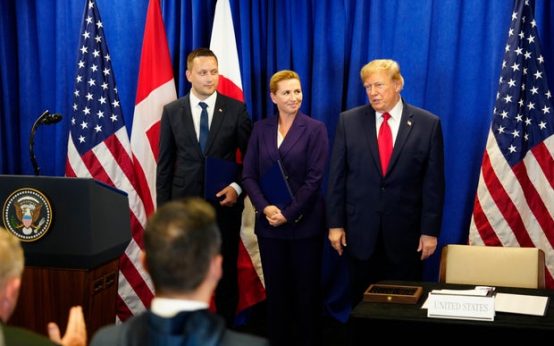 U.S., Denmark, and Greenland Forge New Security Agreement
 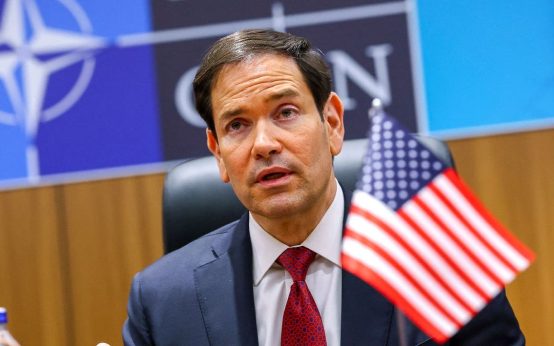 Secretary Rubio Discusses Middle East Conflict and NATO Relations
  Israeli Leader’s Upcoming U.N. Assembly Speech Marked by Controversy
  United States Secures Arctic Defense Pact
 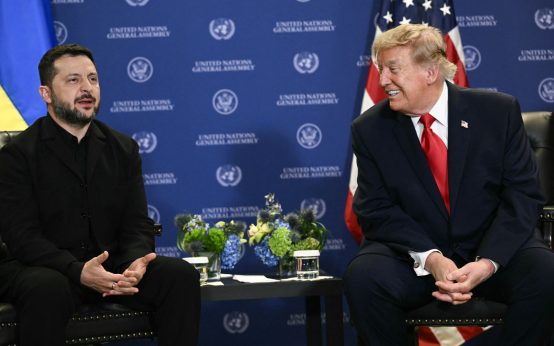 Trump’s Engagements at the UN: Focus on Ukraine and White House Developments
  Trump Administration to Admit 17,500 Afrikaner Refugees from South Africa