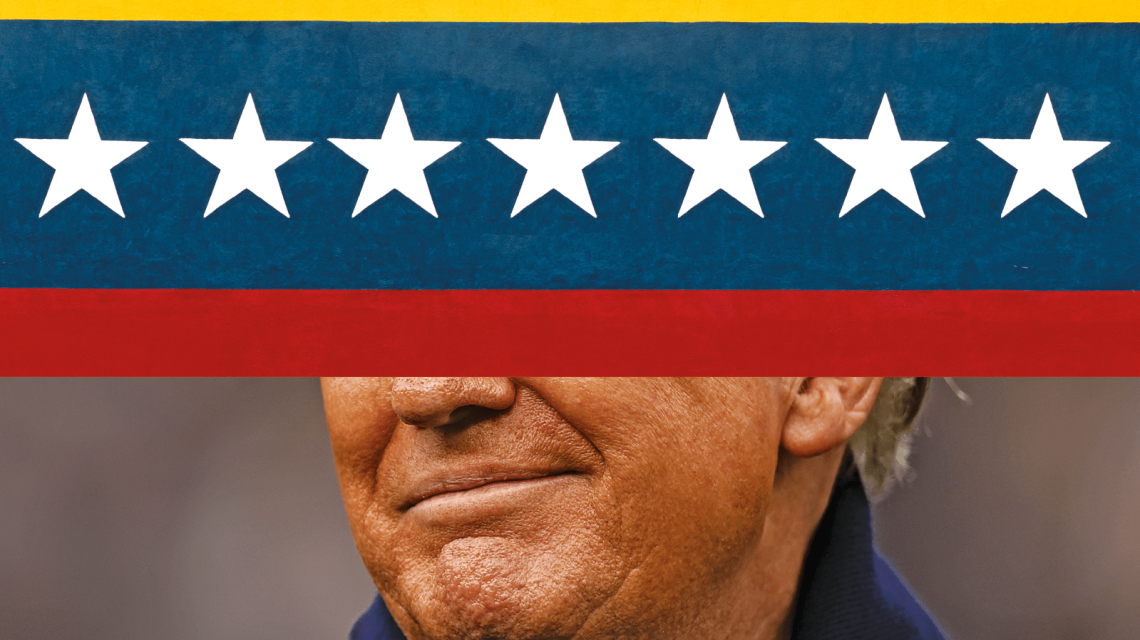
President Donald Trump initiated a dramatic shift in U.S. foreign policy by ordering the arrest of Venezuelan President Nicolás Maduro, charging him with narco-terrorism. This bold move led to considerable debate within the United States. Democratic leaders like Adam Smith voiced concerns by comparing military interventions in Iraq and Libya, while Jim Himes recalled the initial optimism felt during past military actions. Secretary of State Marco Rubio dismissed these comparisons, highlighting differences in strategy and location.
Contrary to fears, turmoil did not engulf Venezuela after U.S. involvement. With American forces present, Venezuelans began engaging with them. International companies like Shell and SLB resumed operations, signaling a thaw in economic restrictions. Political repression decreased, and opposition figures returned, signaling a shift in the political atmosphere.
The future seemed more promising until a devastating natural disaster struck. On June 24, two earthquakes hit, causing widespread destruction. Over 5,000 died, and thousands more remained missing. Infrastructure, including electricity and water, was severely impacted, with reconstruction costs estimated at up to $20 billion. U.S. forces quickly provided aid, strengthening relations between the nations despite initial skepticism.
Venezuela’s immense oil reserves present a critical economic opportunity. Since January, production increased from 800,000 to 1.1 million barrels per day. Recently enacted legal reforms opened the energy sector to private operators, allowing them to work without state intermediaries. These changes prompted increased foreign investment interest, particularly from American investors.
The U.S. administration seeks a three-phase strategy for Venezuela: stabilization, economic recovery, and democratic transition. Financial restructuring is necessary, with Venezuela preparing for history’s largest sovereign debt restructuring. Economic conditions are slowly improving, with inflation rates falling.
Although the U.S. has pledged considerable aid, experts emphasize the importance of transparent management of reconstruction funds. Trust in the U.S. has grown, but skepticism remains toward Venezuela’s current regime. Unity among democratic institutions is critical. On July 14, the 2015 National Assembly outlined a joint agenda with the interim government aimed at democratic transition.
However, significant political change is still awaited. Opposition leader María Corina Machado, who remains in exile, holds considerable public trust. Many Venezuelans view her as the future leader. Despite praise for Rodríguez’s cooperation, sustained U.S. support hinges on continued progress toward democracy.
Public patience has limits. Venezuelan citizens watch closely, expecting future democratic elections and reforms. Experts note that while power dynamics have shifted, true democracy remains an aspirational goal. Economic advancements have occurred, but structural political transformations are needed to meet democratic expectations fully.
 The Cost of Challenging Beijing
 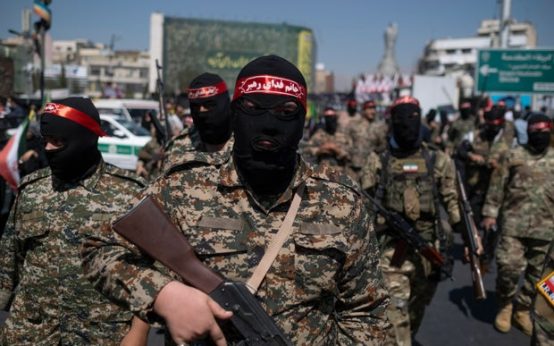 Tensions Escalate in Iran Conflict as Global Leaders Weigh Options
 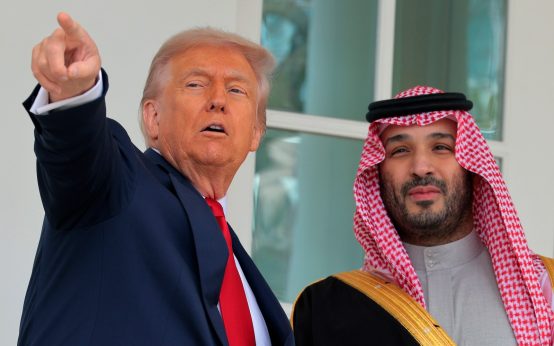 White House Approves F-35 Sales to Saudi Arabia Amidst Regional Tensions
  Inside the Secret Deals Powering the President’s Push to Deport Migrants to Countries Not Their Own
  Navigating the Challenges of Third-Country Deportations
 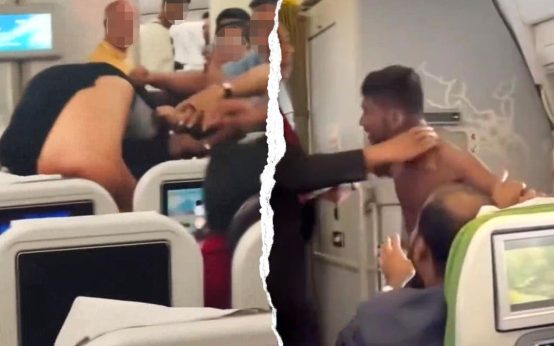 Midair Altercation on Bangladesh to London Flight