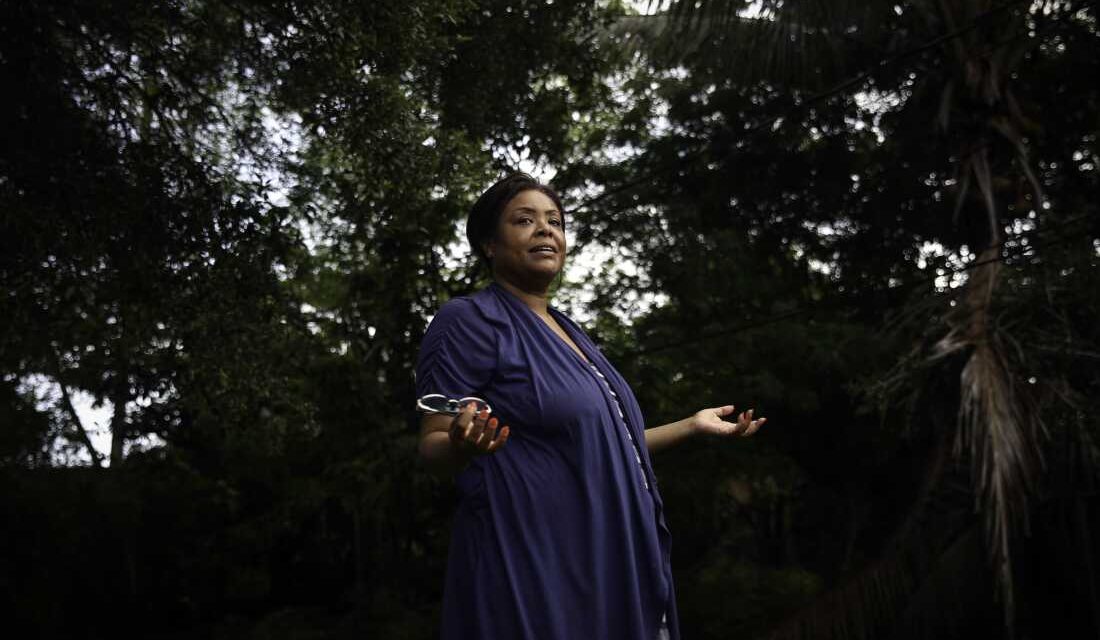
Farah Larrieux stood in her South Florida backyard on a July morning, feeling exhausted after her last overnight hotel shift. Dark circles underlined her eyes as she placed trash bins by the curb, and a pounding headache troubled her.
Larrieux is one of 300,000 Haitian nationals in the U.S. affected by the loss of Temporary Protected Status (TPS). Initially granted to Haitians after the 2010 earthquake, TPS provided safety as Haiti remained dangerous. However, the recent Supreme Court decision allows the Trump administration to end TPS, leaving many Haitians uncertain, particularly in South Florida’s Haitian communities.
The Department of Homeland Security explained that conditions in Haiti have improved enough to justify the program’s end. It also stated that TPS was not meant to become a permanent asylum solution. Despite living in the U.S. for nearly 20 years, Larrieux feels insecure. Framed awards in her living room attest to her community contributions, but they now seem distant accomplishments in the face of TPS termination.
Fearing deportation, Larrieux keeps her home well-stocked and a sheet of paper covers her door’s window to conceal from Immigration and Customs Enforcement (ICE). She memorized her attorney’s number in case of detainment. As she pauses her two jobs, including running her own business, Larrieux plans to survive on her savings while seeking asylum. Returning to Haiti isn’t safe, as she has openly criticized its government.
“If ICE doesn’t mistreat me, I could be killed in Haiti,” Larrieux said. She expressed anguish and frustration, believing the lives of Haitians are undervalued. Her fears are shared by many in Florida, home to about 500,000 Haitians, including 158,000 TPS holders in South Florida.
Miami-Dade County Mayor Daniella Levine Cava emphasized the broader impact of ending TPS, noting its essential role in local economies and communities. Paul Christian Namphy of Family Action Network Movement highlighted the economic significance of Haitian workers, estimating their substantial contribution to cities like Miami.
Father Reginald Jean-Mary of Notre Dame D’Haiti Catholic Mission noted declining church attendance and growing uncertainty in his community. He criticized the decision to end TPS while the U.S. advises against Haiti travel, given the nation’s safety concerns.
A DHS spokesperson stated that the agency conducts regular operations and intends no specific enforcement targeting Haitian nationals. James Percival, DHS General Counsel, affirmed the administration’s stance.
Larrieux, returning from work, briefly enjoyed familiar backyard sights, like mango trees and crowing roosters, reminding her of Haiti. However, aware of armed gangs and widespread violence in Haiti, she recognized that returning isn’t a safe option for her and others.
 Influencer Brothers Logan and Jake Paul Visit the Pentagon
  Florida Reports First Dengue Fever Death as Outbreak Expands
  American Public Opinion on Press Freedom
  St. Laurence High School’s Transformative Journey
  Significant Events in Chicago History on September 21
  Presley Gerber Passes Away at 27 in Rehab Facility