
Democratic socialist Francesca Hong’s candidacy in Wisconsin’s gubernatorial race gained momentum on Tuesday. Her bid is causing apprehension among Democrats in this fiercely contested state, despite her recent surge in popularity. The upcoming election could serve as a significant gauge for the Democratic Socialists of America (DSA) outside typically Democratic strongholds like New York City and Philadelphia.
Wisconsin is known for its fluctuating political landscape, evidenced by its near-split decision in the 2024 presidential election. A Hong victory in the Democratic primary would test DSA’s influence in a vital battleground state. With Wisconsin’s primary scheduled for August 11, 2026, Democrats face concerns over whether Hong’s progressive platform could alienate moderate voters.
Polls Indicate Hong Leading in Wisconsin
Recent polling shows Hong leading among Democratic primary candidates. According to a State Navigate poll, Hong leads with 44% support, while Milwaukee County Executive David Crowley is trailing at 15%. Former Lieutenant Governor Mandela Barnes also polled at 14%, with undecided voters making up 13%.
Political science professors like Anthony Chergosky have noted Hong’s grassroots and online-friendly campaign strategy. However, the poll’s methodology raises questions, as Kathleen Dolan points out its reliance on self-selected respondents, potentially skewing results.
Despite concerns, other polls support Hong’s lead. Marquette Law School’s study reports Hong with 26%, while 45% claim indecision. Dolan highlighted this established polling method’s reliability and noted the fragmented opposition field, which may benefit Hong’s candidacy.
Democratic Concerns and Election Implications
Hong’s democratic socialism has raised concerns among Democrats fearing it could hinder broader election goals. Her alignment with the DSA and support for progressive policies like the defunding of police has drawn criticism. Strategists caution that failing to unify behind a centrist candidate could endanger election outcomes.
Potential down-ballot effects are also concerning; activist Shannon Watts notes the stakes involved with assembly and Senate seats up for grabs. Former Democratic Party Chair Joe Wineke warns of the risk of endorsing a far-left candidate potentially hampering general election chances.
Hong’s controversial statements about police reform have fed Republican narratives, threatening moderate voter appeal. The Marquette poll suggests a close race, with both Hong and Republican Tom Tiffany receiving 44% support.
Rodriguez’s Departure Shakes Democratic Strategy
The Democratic race was further impacted by Lieutenant Governor Sara Rodriguez’s exit from the campaign due to financial discrepancies. Her departure left centrist supporters scrambling for alternatives, leading Crowley to re-enter the race with Governor Tony Evers’ endorsement.
Wisconsin’s political scene has evolved, showing shifting allegiances among rural and urban voters. As Democrats strive to maintain urban voter turnout, Hong’s campaign capitalizes on broader shifts in suburban preferences.
Hong’s endorsement from the DSA highlights the growing influence of democratic socialism, which emphasizes collective ownership through democratic means. Her candidacy represents DSA’s aspirations to extend its influence beyond traditionally Democratic regions.
 A Mother’s Tragic Journey Under Abortion Ban
  U.S. Strategic Goals Remain Unmet Amid Prolonged Conflict
  The Impact of Arts and Closure on Democracy
 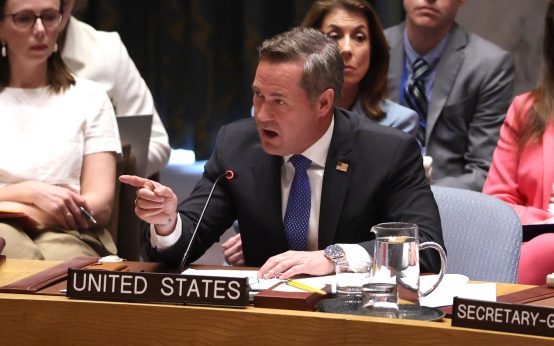 U.S. Ambassador Comments on Iran War Duration Amid Political Concerns
 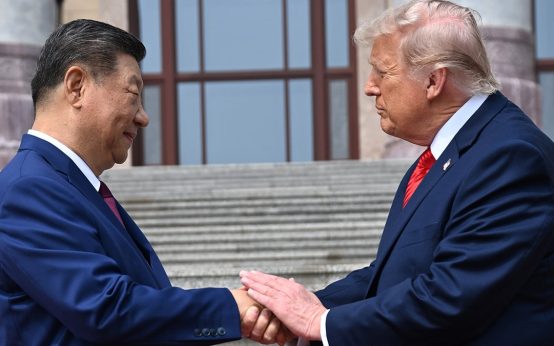 US-China Relations Under Scrutiny: Expert Warns of Escalating Tensions
  No Timeline for End of Iran Conflict