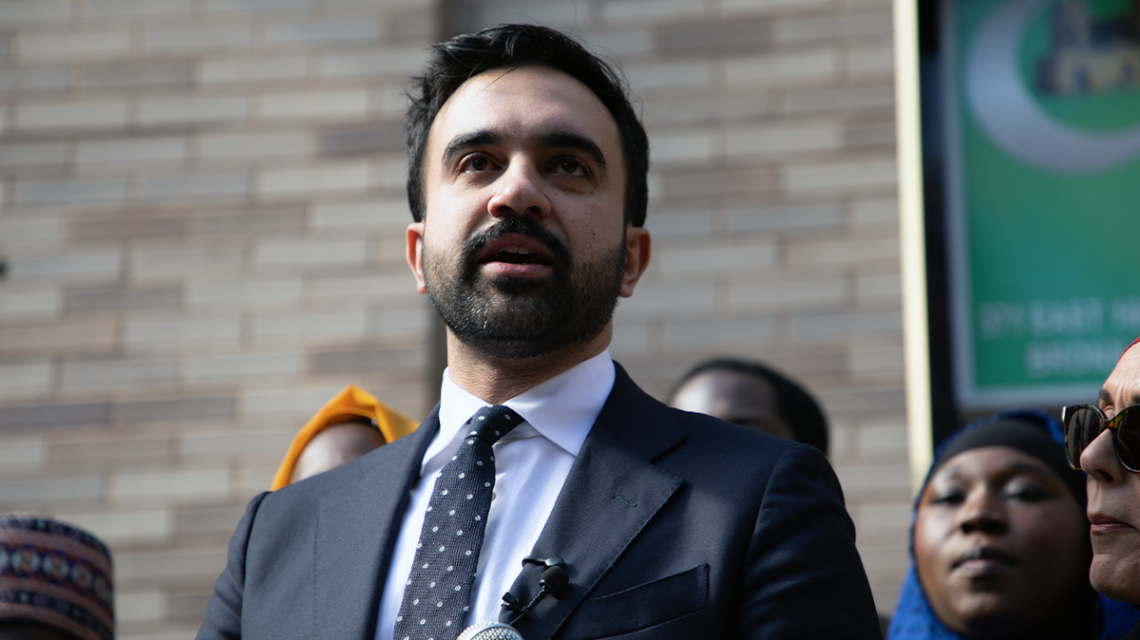
The recent stabbings near Central Park have reignited concerns about antisemitism in New York City. Jessica Tarlov and Lizzy Savetsky discussed the issue with Bill Hemmer and Shannon Bream. Rabbi Ari Berman, Yeshiva University’s President, criticized Mayor Zohran Mamdani’s focus on Israel, stating it betrays New Yorkers. Savetsky linked Mamdani’s rhetoric to the rise in hate.
On Tisha B’Av, a day of mourning in the Jewish calendar, an assailant stabbed two men on Manhattan’s Upper West Side. Both victims survived, and a suspect is in custody. Witnesses mentioned the attacker shouted “Allahu Akbar.” Authorities are investigating the motive.
Just a day before the attack, Mamdani released a video accusing Israel of war crimes. He declared Israeli leader Benjamin Netanyahu should be arrested, despite lacking the legal authority. Municipal leaders cannot conduct their own foreign policy, but Mamdani’s statements amplified tensions, contributing to a hazardous environment.
Jewish organizations had warned about the dangerous climate, which sadly proved accurate. Mamdani’s public denunciations of Israel reverberated through the community, fueled by media coverage and viral social posts, promoting a narrative that imperils Jewish New Yorkers.
Analysts argue that Mamdani’s choices, such as suggesting anti-Israel actions and associating with controversial figures, cultivate an atmosphere of antisemitism. In 2025, the Institute for the Study of Global Antisemitism & Policy (ISGAP) published a report on Mamdani, detailing his anti-Israel activities dating back to his college days.
The link between such rhetoric and violent acts is evident. The ISGAP study highlighted Mamdani’s alignment with organizations and concepts tied to the Muslim Brotherhood’s long-term strategy to undermine Western democracies. The Brotherhood, a Sunni group, and Iran, with its Shia regime, often clash but unite against Israel.
Public outcry grew as Mamdani’s words connected with broader antisemitic patterns. His terminology evoked historical tropes of Jewish control and wealth, drawing from age-old prejudices. Many see this as not only affecting Jewish populations but challenging the values of pluralism and democracy.
Mayor Mamdani’s requests for protests during the U.N. General Assembly against Netanyahu raised security concerns. Law enforcement warned of potential chaos. The New York City Police Benevolent Association expressed frustrations over the mayor’s activism, suggesting it could incite violence.
The New York community faces a critical moment. Recognizing how rhetoric fosters violence is key to preventing future incidents. There must be accountability for language that prepares the groundwork for harm. The city stands at a crossroads, where words could lead to further unrest unless addressed promptly and unequivocally.
 The Impact of Arts and Closure on Democracy
 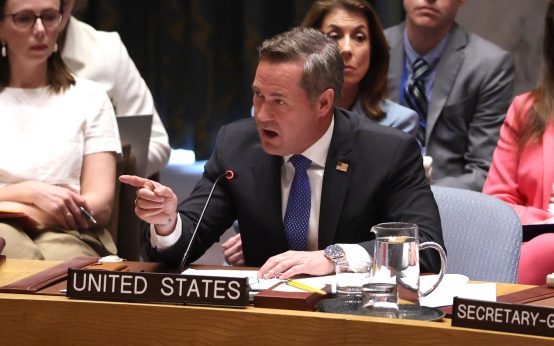 U.S. Ambassador Comments on Iran War Duration Amid Political Concerns
 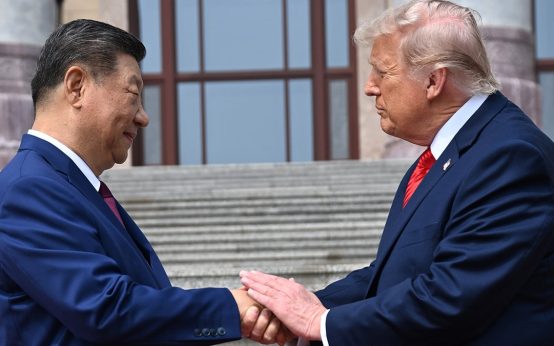 US-China Relations Under Scrutiny: Expert Warns of Escalating Tensions
  No Timeline for End of Iran Conflict
 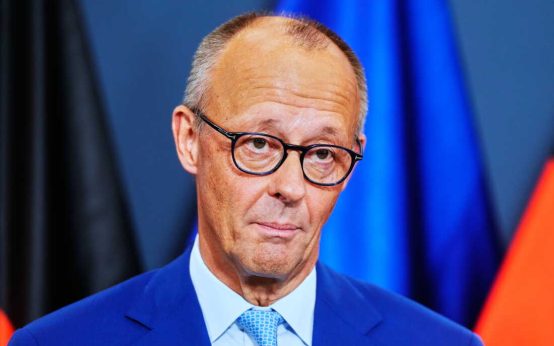 German Chancellor Merz Vows to Pursue Reforms Despite Election Setbacks
 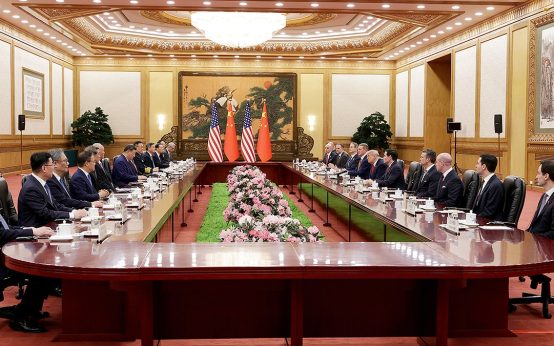 The Technology Rivalry: Trump’s Meeting with Xi and the AI Ecosystem Clash