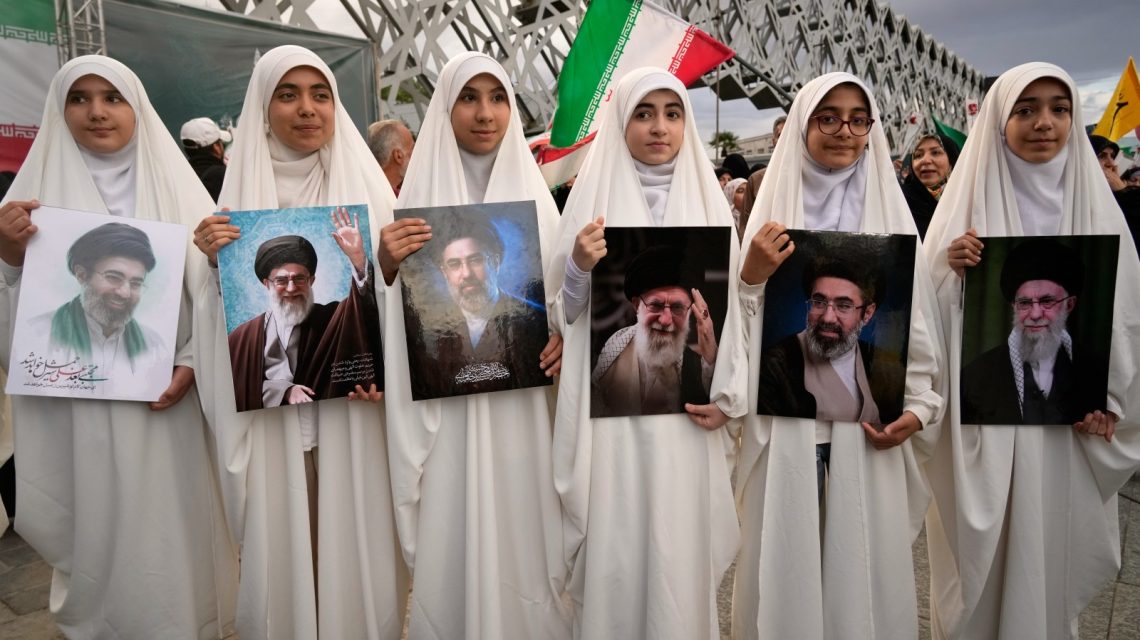
Mojtaba Khamenei’s Absence and Political Complexity
Mojtaba Khamenei, the supreme leader of Iran, remains unaccounted for since his father, Ali Khamenei, was killed in a U.S.-Israeli attack in February. His disappearance continues to be a mystery.
The Iranian public lacks any visible form of Mojtaba’s leadership, yet the regime may not require him to rule overtly. Experts have offered a range of insights into this peculiar situation.
The Many Faces of Mojtaba Khamenei
Iran’s internal politics are marked by chaos, with bombings and the looming threat of energy crises. Mojtaba’s seeming invisibility lends him a mythical aura among 90 percent of Shia Muslim Iranians. The Shia belief in the absent Twelfth Imam creates a perspective where a physically absent leader isn’t unprecedented.
Mojtaba could be seen as a symbolic figurehead, albeit lacking in practical governance due to his absence.
Insight from Political Experts
Khosro Isfahani, an expert on Iranian politics, suggests the military and intelligence leaders use Mojtaba’s absence to consolidate their power. He notes Mojtaba’s lack of charisma and his inability to fill his father’s shoes effectively.
The prevalent view is that Iran’s true power lies with entities such as the Islamic Revolutionary Guard Corps (IRGC) rather than Mojtaba.
The Shift in Governance
In Iran, political power struggles persist post-Khamenei. Various factions vie for dominance, and the IRGC stands as the clearest winner. Its control over military operations and intelligence positions it as a key player in Iran’s governance.
The Iranian Parliament Speaker, Mohammad Bagher Ghalibaf, has stepped into Mojtaba’s void, serving as the primary conduit with the U.S.
Negotiations and Strategic Interests
Amidst U.S. military actions, Iran’s leverage over the strategic Strait of Hormuz has intensified negotiations. Initially focused on its nuclear program, discussions have morphed into broader strategic demands.
The IRGC’s stance dominates diplomatic efforts, with the potential for factional interests to overshadow broader national goals.
Public Sentiment Amid Political Flux
The Iranian population has displayed resilience, rallying behind the regime despite internal tensions. National unity remains a potent force against foreign aggression. Mojtaba’s absence has divided opinions among Iranians, with many viewing his leadership skeptically.
The lack of a physical supreme leader does not necessarily trigger public unrest but provides a space for new power dynamics.
Future Trajectories for Mojtaba Khamenei
Speculation remains about Mojtaba’s potential return to public life. Concerns about his safety and capacity to lead linger. His power, if any, appears to be tightly controlled by Iran’s existing power holders.
Whether his absence solidifies Iran’s current leadership structure or undermines it remains uncertain. For now, those in control might prefer Mojtaba’s symbolic presence over active leadership.
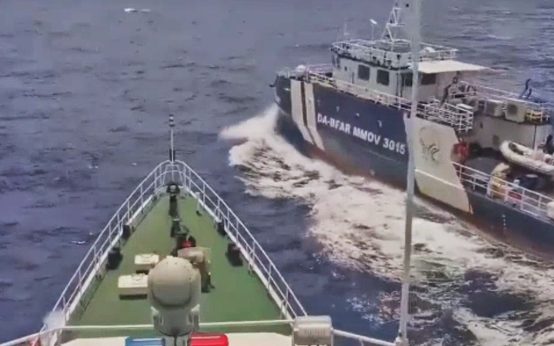 South China Sea Tensions Rise after Collision between Chinese and Philippine Ships
 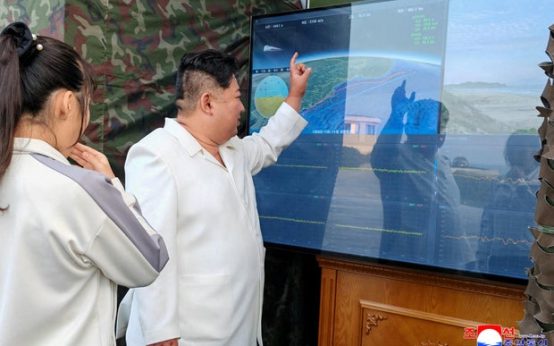 North Korea’s Hypersonic Weapon Test Amid Global Tensions
  Austin Tice: A Search for Answers
 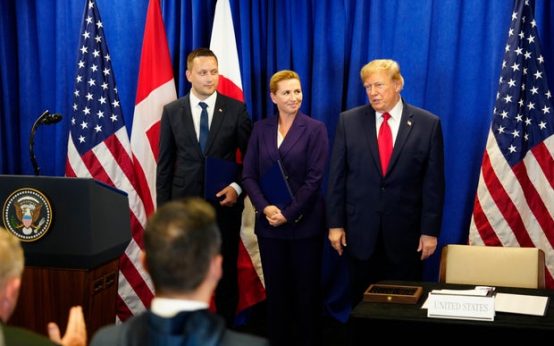 U.S., Denmark, and Greenland Forge New Security Agreement
 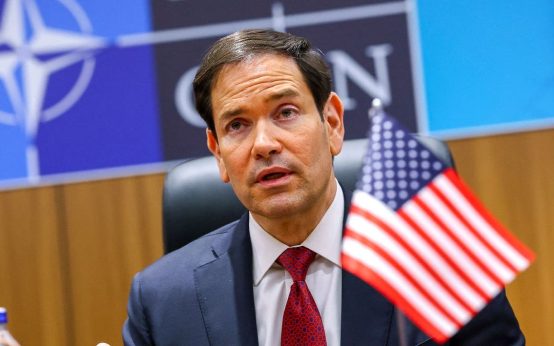 Secretary Rubio Discusses Middle East Conflict and NATO Relations
  Israeli Leader’s Upcoming U.N. Assembly Speech Marked by Controversy