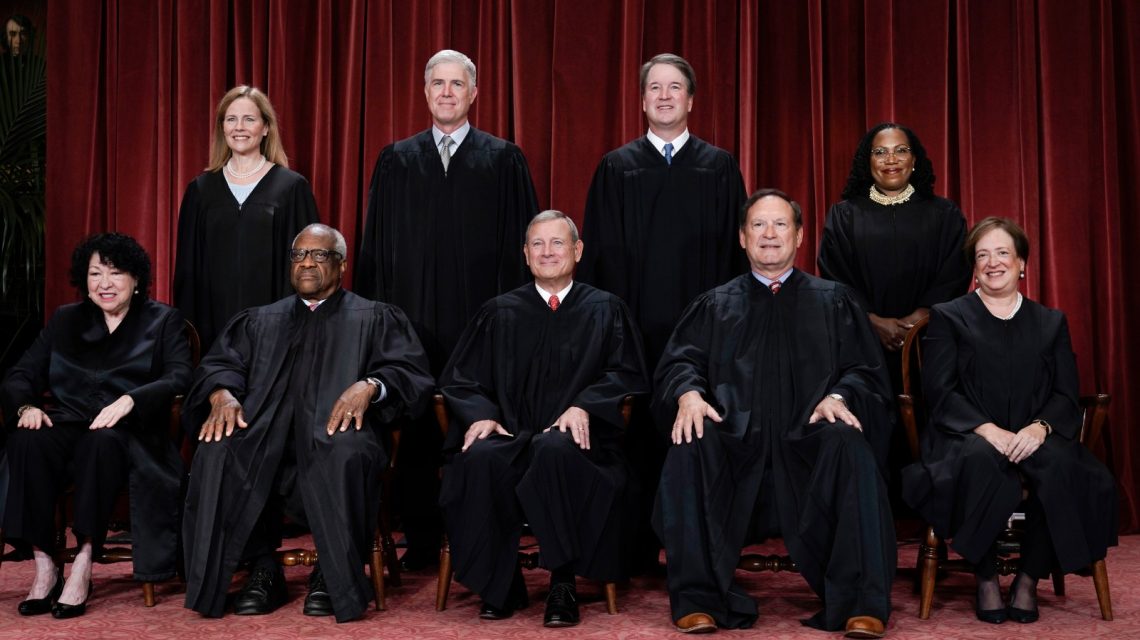
Supreme Court Justice Elena Kagan recently reflected on the unusual instance when President Donald Trump attended oral arguments in a birthright citizenship case, marking the first known occasion a sitting president has done so. During a judicial conference, Kagan described the president’s visit as a ‘non-event,’ indicating that it did not influence the court’s proceedings. She stated that the ‘vibes in the courtroom were the vibes on any other day.’
Birthright citizenship ensures U.S. citizenship to most individuals born on U.S. soil, regardless of their parents’ immigration status. The administration’s attempts to limit this principle were halted on June 30 when the Supreme Court rejected Trump’s executive order in a 6-3 ruling.
Trump’s Court Appearance
At the Ninth Circuit judicial conference, Kagan shared insights into Trump’s presence during the April session on birthright citizenship. Trump’s appearance did not impact the proceedings, and Chief Justice John Roberts did not make a public announcement about it. Trump sat in the first row and left partway through the two-hour session. His visit was noteworthy as the first time a sitting president attended Supreme Court oral arguments. Previously, Trump considered attending a hearing on his tariff policy but decided against it.
Birthright Citizenship Case
The Trump administration aimed to deny automatic citizenship to children born in the U.S. if their parents were undocumented or held temporary legal status. The case, Trump v. Barbara, addressed the entitlement to citizenship at birth under the Fourteenth Amendment’s Citizenship Clause. This amendment declares all persons born or naturalized in the U.S. are citizens of the country and the state where they reside. The Supreme Court’s decision reaffirmed this, marking a significant setback for the administration’s efforts to narrow birthright citizenship.
Writing for the majority, Chief Justice Roberts noted that children born in the U.S. ‘are citizens at birth,’ upholding historical interpretations of the 14th Amendment. The decision preserved the legal framework from the 1898 ruling in United States v. Wong Kim Ark. The majority included Roberts, Justice Amy Coney Barrett, and the Court’s three liberal justices: Kagan, Sonia Sotomayor, and Ketanji Brown Jackson. Justice Brett Kavanaugh concurred, while Justices Clarence Thomas, Samuel Alito, and Neil Gorsuch dissented.
Trump’s Tariffs Case
Another critical challenge for the Trump administration came when the Supreme Court invalidated tariffs imposed under the International Emergency Economic Powers Act (IEEPA). This 6-3 ruling stated that the statute did not authorize the president to impose tariffs without congressional approval or prior investigation. Chief Justice Roberts, in the decision, clarified that the taxing power was not vested in the Executive Branch. Despite this decision, tariffs remain a central part of Trump’s economic agenda.
In her speech, Kagan highlighted the importance of tariffs to Trump, noting that he campaigned on this issue. The Supreme Court’s decision to strike down a significant policy of a sitting president is relatively rare, and it drew criticism from Trump, who accused the justices of disloyalty.
Public Perception of the Supreme Court
Public confidence in the Supreme Court has declined over recent years. A Gallup poll indicated that court approval dropped from 58% in 2018 to 42% in 2025. Additionally, a YouGov/The Economist poll reported a 36% approval rating, with 50% disapproval. These concerns reflect the court’s involvement in sensitive social and political issues. A Washington Post/Ipsos poll showed more than half of Americans disapprove of the Court’s performance, and many believe justices’ decisions are influenced by personal political beliefs.
 Mayor Mamdani and President Trump Discuss Major Housing Project in NYC
 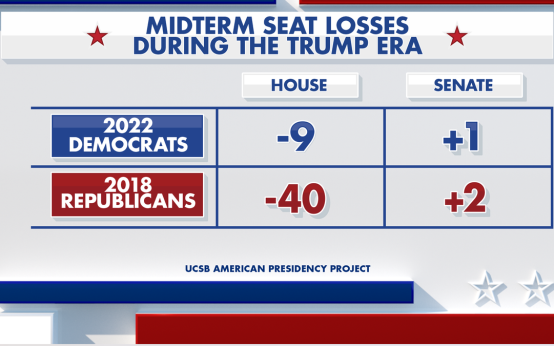 Poll Reveals MAGA’s Increasing Popularity Over DSA as Democrats’ Future Debated
 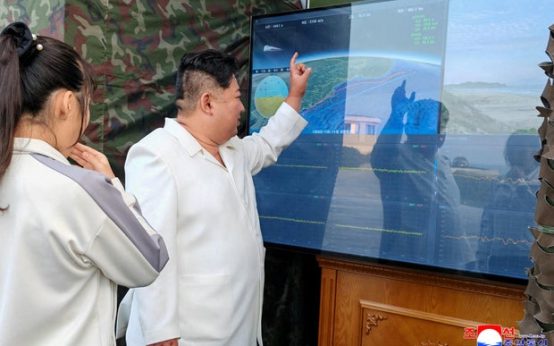 North Korea’s Hypersonic Weapon Test Amid Global Tensions
 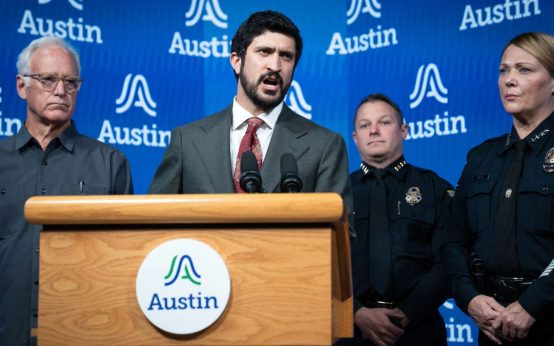 Debate Over ICE Action in Austin Escalates
  President Trump Warns of Escalating War with Iran at UN Assembly
  Tariffs and Their Impact on Everyday Products